
Upstream
Slop water
Slop water is produced on offshore oil and gas rigs when cleaning the pipe and drill deck and is water that is contaminated with hydrocarbons, other chemicals and wastes. On drill decks, slop water can also contain erosive substances such as highly corrosive salts, drilling muds including chemicals in suspension and in solution, mud containing water, salt water, rain water and formation water as well as sand, floating solids, stones and large particles.

Benefits of our centrifugal separators
- Reduce residual oil content to max. 15 ppm
- Oil-in water measuring device, monitoring the aqueous phase for purity levels
- On-site treatment of slop water
- Avoidance of traditional transport costs
- Cost-effective solution
Meeting IMO regulations
Across various processes in the oil and gas industry, including the treatment of water, strict adherence to environmental regulations is crucial. To meet the standards set by the International Maritime Organization (IMO), GEA offers specialized high-performance, self-cleaning centrifugal separators and clarifying decanter centrifuges. The goal is to efficiently reduce the oil content to levels below the legally specified limits, often set at 15 ppm or 5 ppm in some regions.
Continuous and reliable operation, along with cost-effective features such as reduced disposal costs and low energy consumption, makes GEA's solutions suitable for both offshore and onshore applications. The emphasis on compliance, efficiency and cost-effectiveness is a common thread in addressing the challenges posed by oil-contaminated water in the oil and gas industry.
Monitoring purity levels
To guarantee adherence to prescribed limits, we employ a specialized oil-in-water measuring device. This device monitors the aqueous phase, ensuring the de-oiled water meets environmental requirements. If oil levels exceed the set standard, the liquid is recirculated to the slop water tank and only released when it meets the necessary purity criteria.
On-site treatment for cost efficiency
All these various possible compositions make an overboard discharge of slop water inadmissible due to existing environmental regulations, so that they have to be treated before discharge. GEA's approach allows for on-site slop water treatment, eliminating the need for costly transportation to shore for processing and disposal. By efficiently treating slop water at its source, our solution not only ensures compliance with regulations but also minimizes the environmental impact and reduces operational costs.
Products & Technologies
Showing 2 of 2
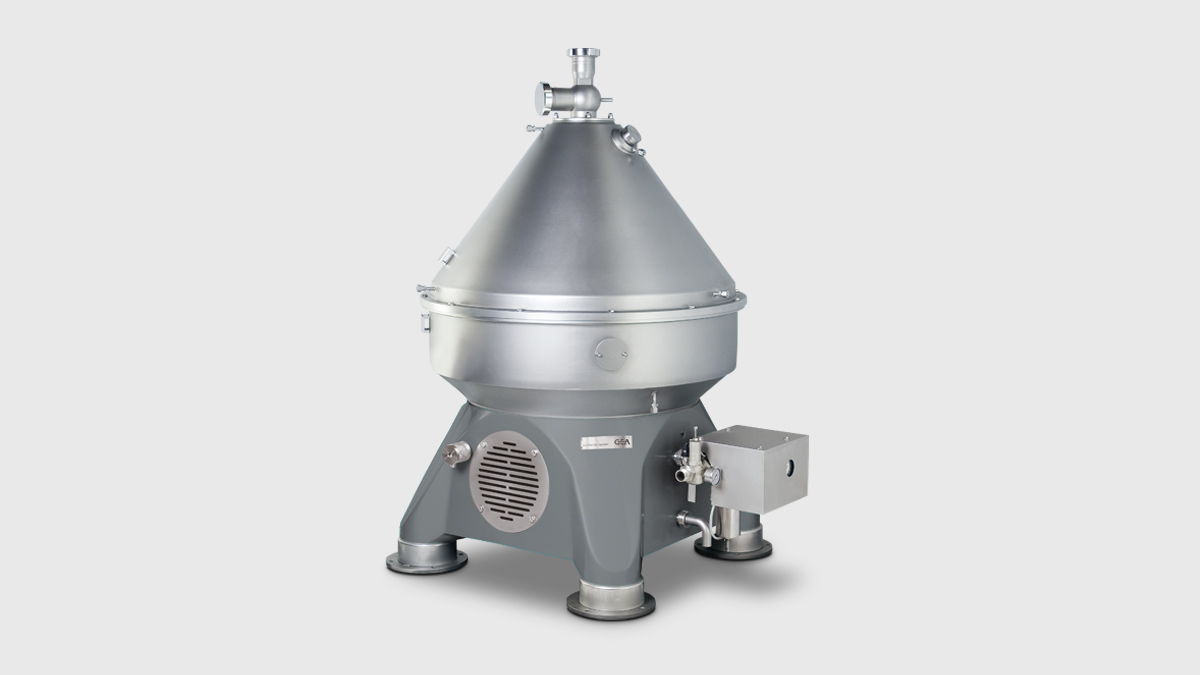
Centrifugal Separator
GEA separators are designed for liquid-based applications. Using centrifugal force, they are used for separating suspensions consisting of two or more phases of different densities, i.e. they can be used for liquid-liquid separation, for liquid-liquid-solid separation or for liquid-solid separation. They are equally as effective at separating liq...
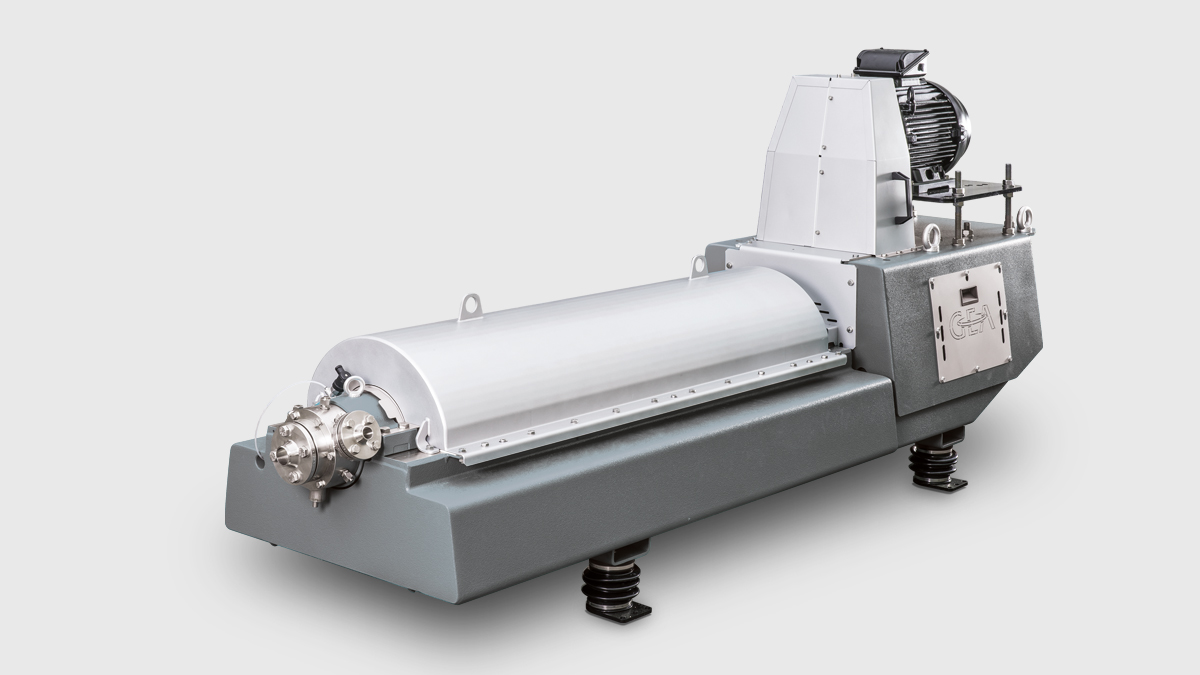
Decanter Centrifuge
The decanter’s hour has come as soon as the solids content in the suspension to be processed is particularly high. These machines provide the benefits of high clarifying efficiency and maximum dewatering as well as the separation of liquids with the simultaneous removal of solids. The main requirements in this respect include a high bowl speed, a...


Downloads
GEA Insights India
All pharmaceutical freeze-drying vials are the same! Aren't they?
Whether it’s a fad or the future, 100% vial traceability is becoming an increasingly important consideration in the pharmaceutical freeze drying industry. Keeping a close eye on developments is GEA. We’re investigating possible solutions and, what’s more, we have the experience, expertise and know-how to implement them.

Alcohol-free beer: They want it all – they want less
There was a time when the phrases ‘non-alcoholic beer’ and ‘tastes good’ were seldom used together in the same sentence, particularly by consumers. But low-proof and alcohol-free beers have come a long way – many of them now refreshing drinks in their own right – thanks in no small part to technology from GEA.

Innovating patient care with aseptic spray drying
At GEA, our commitment to engineering for a better world fuels our pursuit of innovative solutions that enhance patient care and safety. One of our most promising ventures in recent years is aseptic spray drying – a technology that promises to revolutionize pharmaceutical manufacturing.

