
Thermal Treatment Equipment
Thermal treatments for fresh pasta are divided into pasteurization, drying and cooling. Respectively they allow to reduce the bacterial count, dry the surface of the product after the pasteurization process and finally cool down the output to proceed to the packaging phase.

Products
Showing 4 of 5
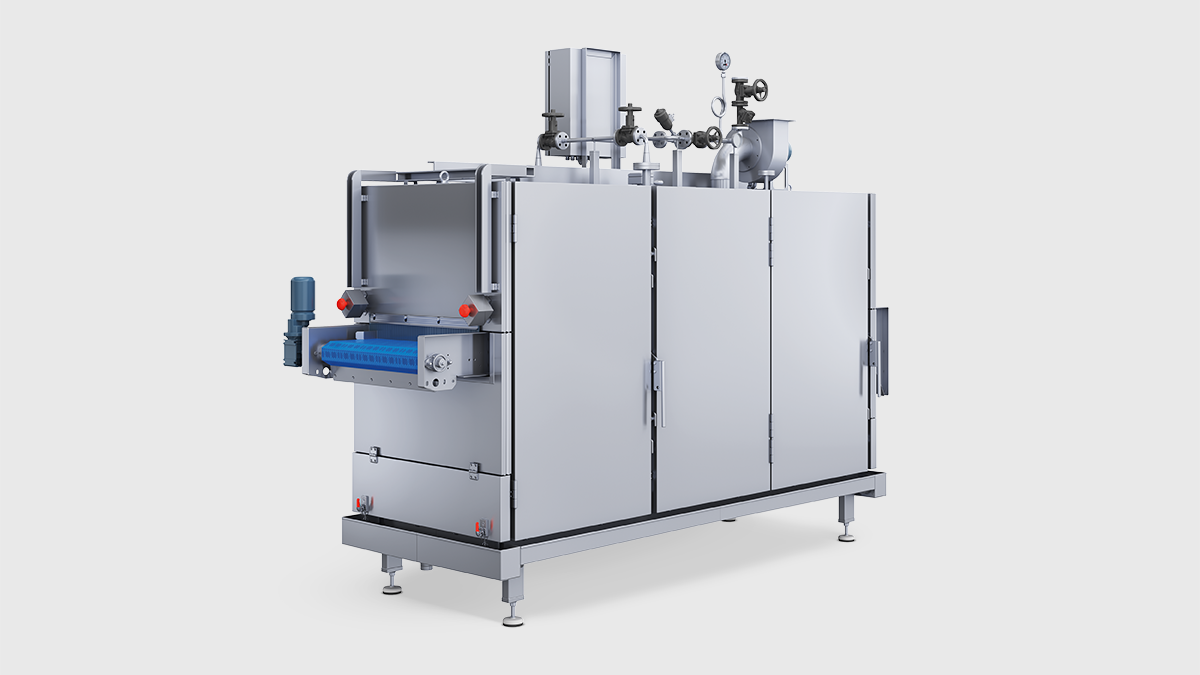
CA - Drying Zone
Machine designed to dry the product on the surface.
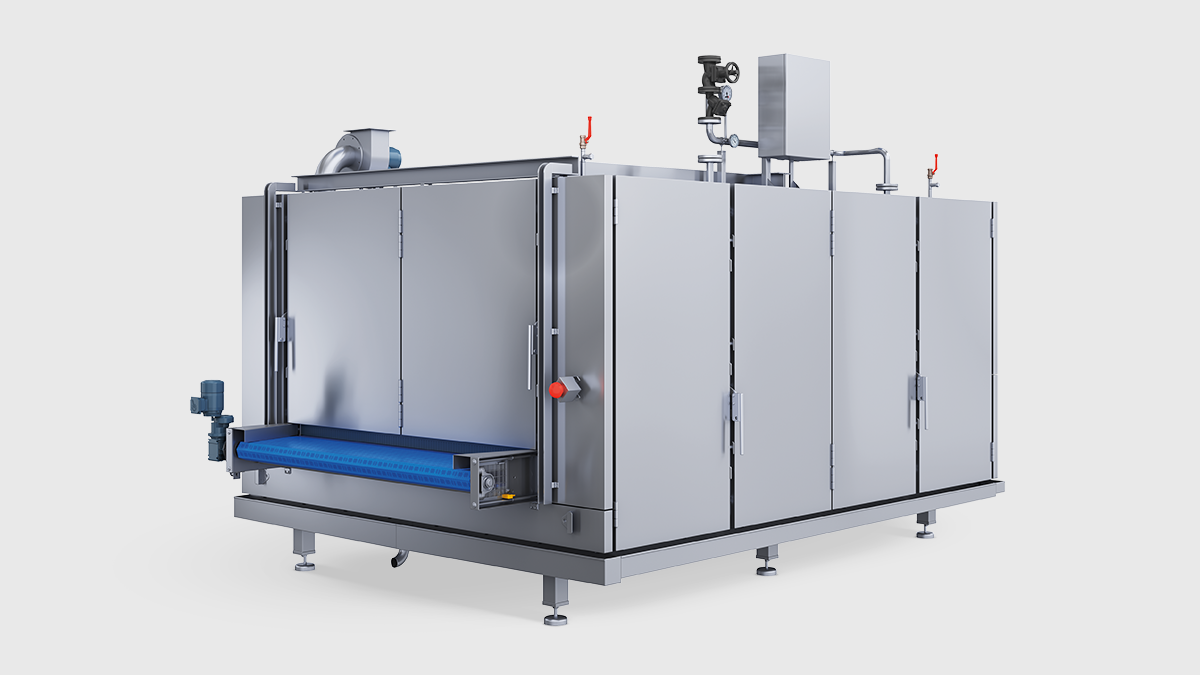
E - Predryer
Machine designed to dry the product surface and remove humidity to lower water activity and increase product shelf life.

F - Cooler
Machine designed to cool product and take it to the desired packaging temperature.

PV - Pasteurizer Standard
Pasteurizer performing a steam jet to reduce bacterial presence in treated products.
Downloads
GEA Insights India

All pharmaceutical freeze-drying vials are the same! Aren't they?
Whether it’s a fad or the future, 100% vial traceability is becoming an increasingly important consideration in the pharmaceutical freeze drying industry. Keeping a close eye on developments is GEA. We’re investigating possible solutions and, what’s more, we have the experience, expertise and know-how to implement them.

Alcohol-free beer: They want it all – they want less
There was a time when the phrases ‘non-alcoholic beer’ and ‘tastes good’ were seldom used together in the same sentence, particularly by consumers. But low-proof and alcohol-free beers have come a long way – many of them now refreshing drinks in their own right – thanks in no small part to technology from GEA.

Innovating patient care with aseptic spray drying
At GEA, our commitment to engineering for a better world fuels our pursuit of innovative solutions that enhance patient care and safety. One of our most promising ventures in recent years is aseptic spray drying – a technology that promises to revolutionize pharmaceutical manufacturing.

