
Single-seat valves
VARIVENT® Shut-off valves
VARIVENT® single-seat valves are used for simple shut-off in hygienic applications. The valves are characterized by their ease of operation and flexibility. To avoid water hammers, individual variants in the VARIVENT® modular system are configured for different flow directions.
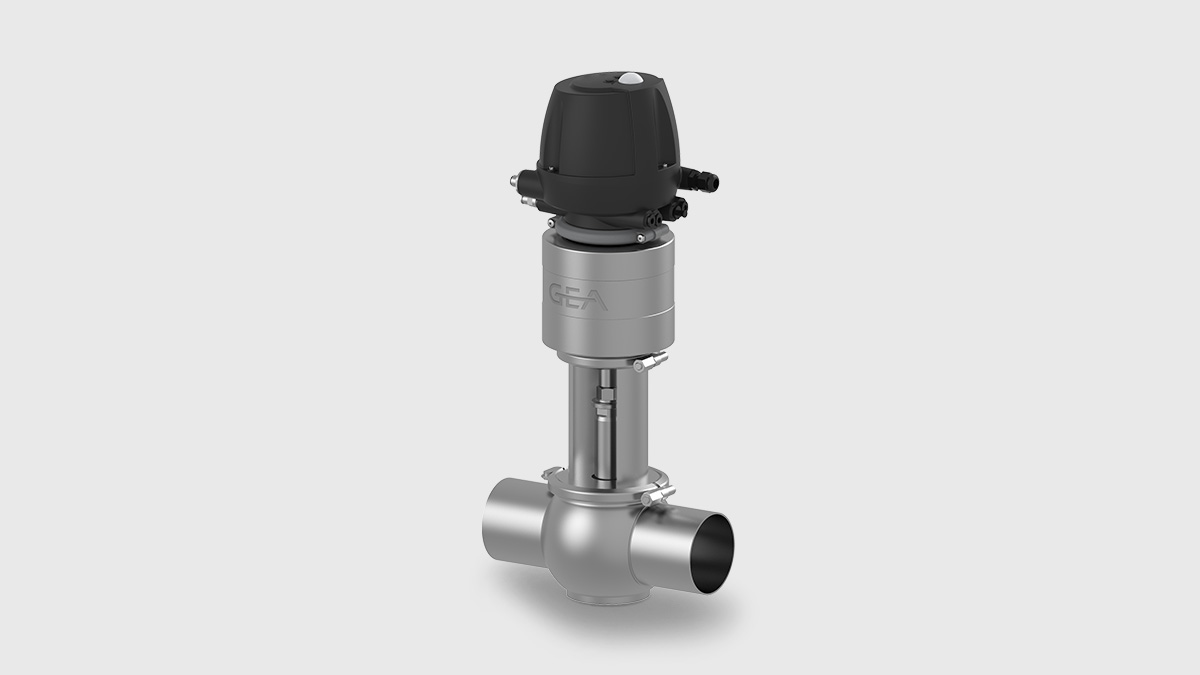


Special Features
- Certified, hygienic configuration
- Metallic stop
- Flexibility because of the modular principle
- Proven seal geometry
Valve Selection Scheme: Shut-off Valves
| Recommended flow direction | Feature | Type |
| From bottom to top | Modular system | Single-seat valve, type N |
| From bottom to top | Long-stroke valves for viscous products or products with large particles | Single-seat long-stroke valve,
type N_V |
| From top to bottom | Modular system | Single-seat valve, type U |
| From top to bottom | With optimized maintenance, radial sealing | Single-seat valve, type U_R |
| From top to bottom | Long-stroke valves for viscous products or products with large particles | Single-seat long-stroke valve,
type U_V |
Recommended Flow Direction
To avoid water hammers when closing the valve while the product is flowing, single-seat shut-off valves should be switched against the flow direction of the product.
Valve type N is designed for a flow from the lower to the upper pipeline, whereas valve type U is for the opposite flow direction.
VARIVENT® Series
The structure of the VARIVENT® modular system has many optional versions available to best optimize the valve in the process. Please refer to the options section in the catalog for information about these.
| Single-seat shut-off valves | Long-stroke shut-off valves |
| DN 25 – DN 150 | DN 65 – DN 100 |
| OD 1" – OD 6" | OD 2 ½" – OD 4" |
| IPS 2" – IPS 6" |
Application Examples
In practical use, these valves are used
- as emptying / drainage valves
- for shutting off a bypass line
- as dosing valves
VARIVENT® long-stroke valves are used for transporting fluids with relatively large particles or for viscous products, such as yoghurt with pieces of fruit.
Technical Data
Type N, N_V & U, U_V, U_RPlease refer to the catalog for information.| Type N | Type N_V (longstroke) | Type U | Type U_R (radial) | Type U_V (longstroke) | |
| Recommended flow direction | From bottom to top | From top to bottom
| |||
| Material in contact with the product | 1.4404 / AISI 316 L | ||||
| Material not in contact with the product | 1.4301 / AISI 304 | ||||
| Seal material in contact with the product | EPDM, FKM, HNBR | ||||
| Ambient temperature | 0 to 45 °C | ||||
| Air supply pressure | 6 bar (87 psi) | 4.8 bar (70 psi) | 6 bar (87 psi) | 6 bar (87 psi) | 4.8 bar (70 psi) |
| Product pressure | 5 bar (73 psi) | DN 65 – DN 80 OD 2 ½" – OD 3" 10 bar (145 psi) DN 100 & OD 4"
5.2 bar (75 psi) | 5 bar (73 psi) | 5 bar (73 psi) | DN 80
OD 3" 5 bar (73 psi) DN 100 & OD 4" 5.6 bar (81 psi) |
| Surface in contact with the product | DN, OD
Ra ≤ 0.8 µm IPS Ra ≤ 1.2 µm | Ra ≤ 0.8 µm
| DN, OD
Ra ≤ 0.8 µm IPS Ra ≤ 1.2 µm | Ra ≤ 0.8 µm | Ra ≤ 0.8 µm
|
| External housing surface | Matte blasted | ||||
| Control and feedback system | T.VIS® control top | ||||
| Actuator type | Pneumatic actuator air / spring | ||||
| Connection fittings | Welding end | ||||
| Identification | Adhesive ID tag | ||||
| Valve seat version | Clamped or welded seat ring | Clamped or welded seat ring
| Welded seat ring | Clamped or welded seat ring | |
| Certificates | EHEDG, 3A, CE | 3A, CE | |||
Downloads
Related Products
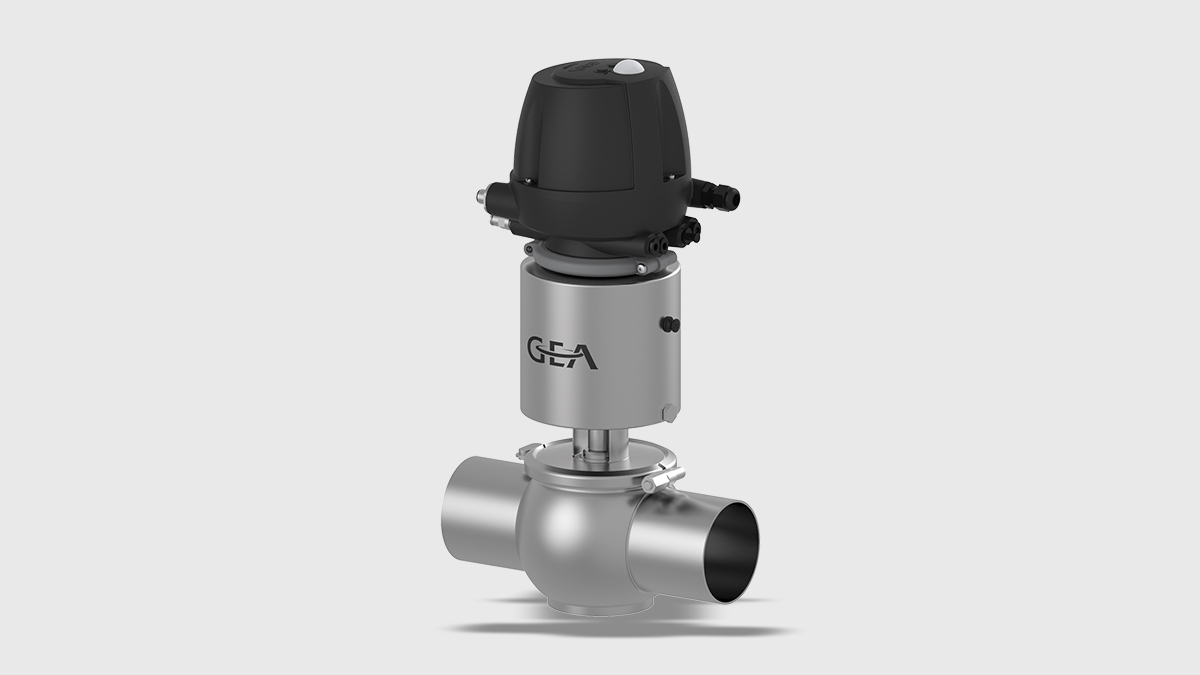
ECOVENT® Shut-off valves
ECOVENT® single-seat valves are used for simple shut-off in hygienic applications. The valves are characterized by their ease of operation and flexibility.
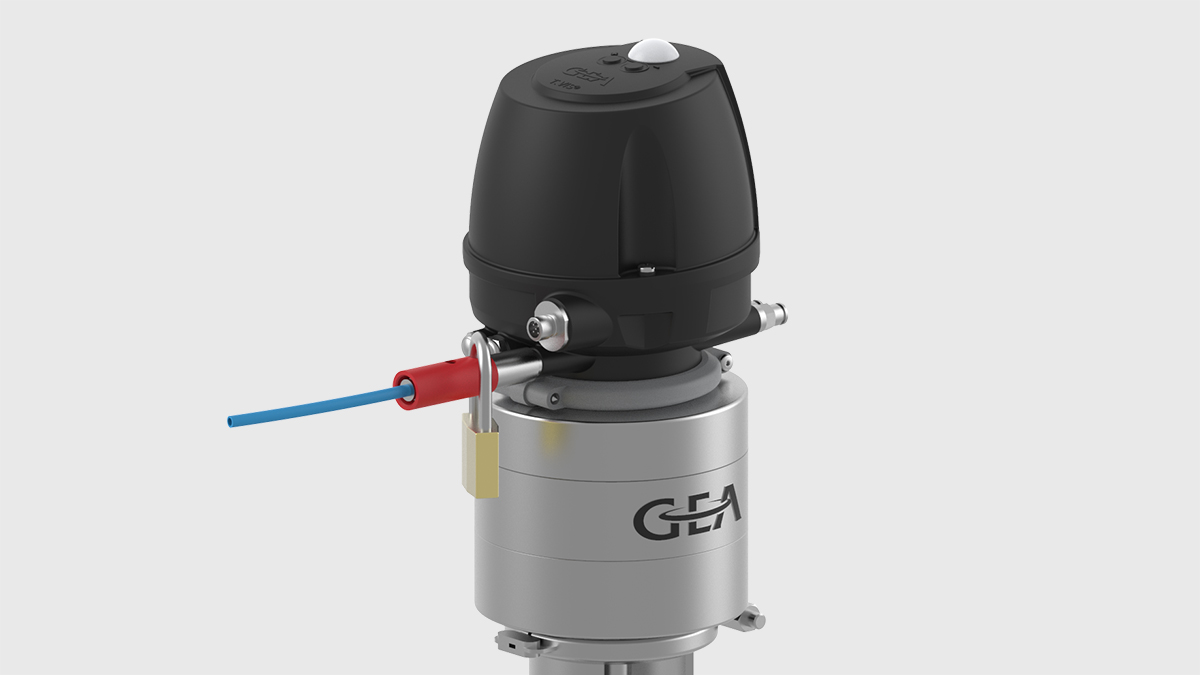
LoTo for GEA Hygienic single seat valves
LoTo solutions for our pneumatic seat valves offer you the right choice in any situation. Use an easy-to-apply AIR LOCK to cut off the control air connection. Or replace the feedback system with a sturdy DISK LOCK to safely block valve action.
GEA Insights India

All pharmaceutical freeze-drying vials are the same! Aren't they?
Whether it’s a fad or the future, 100% vial traceability is becoming an increasingly important consideration in the pharmaceutical freeze drying industry. Keeping a close eye on developments is GEA. We’re investigating possible solutions and, what’s more, we have the experience, expertise and know-how to implement them.

Alcohol-free beer: They want it all – they want less
There was a time when the phrases ‘non-alcoholic beer’ and ‘tastes good’ were seldom used together in the same sentence, particularly by consumers. But low-proof and alcohol-free beers have come a long way – many of them now refreshing drinks in their own right – thanks in no small part to technology from GEA.

Innovating patient care with aseptic spray drying
At GEA, our commitment to engineering for a better world fuels our pursuit of innovative solutions that enhance patient care and safety. One of our most promising ventures in recent years is aseptic spray drying – a technology that promises to revolutionize pharmaceutical manufacturing.
