
Liquid Dosage
E.Coli
From oral vaccines to immune-modulators and offering a broad range of applications in biotechnology and pharmaceutical research, development and analysis, bacterial lysates are widely used in the life science industries. Different methods can be used to prepare cell lysates from Escherichia coli (E. coli) cells, for example, including sonication, homogenization, enzymatic lysis and freezing/grinding.
Homogenizers, however, are the most commonly used devices to lyse large quantities of bacteria. A cell suspension is pumped through the minute orifice of a homogenizing valve at high pressure; this is followed by the sudden release of the pressure on the suspension, resulting in an instant expansion that provides the turbulence and liquid shear — combined with the high pressure — that breaks the cells.
The main disruptive factor in this process is the pressure applied to the sample and the subsequent pressure drop across the valve. This provides the impact and the shear stress, making the cells break in proportion to the operating pressure.
Compared with other methods, homogenization is both convenient and efficient, offering higher percentage cell disruption rates. Modern GEA homogenizers are able to work continuously, enabling large quantities of cells to be processed at high operational pressures, which eliminates the need to add deoxyribonuclease (DNase) to the cell suspension.
Suggested pressures for typical applications are 600–1000 bar with a single stage homogenizer; multiple passes (2–3) are generally required to achieve adequate lysis. It should be noted that high processing pressures result in a rise in operating temperatures. Cells should, therefore, be cooled (4 °C) prior to use to avoid inactivating proteins by foaming.
Fermenters, separators, decanters and cross-flow filtration technology for the gentle treatment of fragile cell cultures are also available from GEA. We understand that the careful treatment of living micro-organisms, sterility and efficiency are prerequisites to economical, reliable and efficient processing.
製品および技術
9 の 4 を表示する
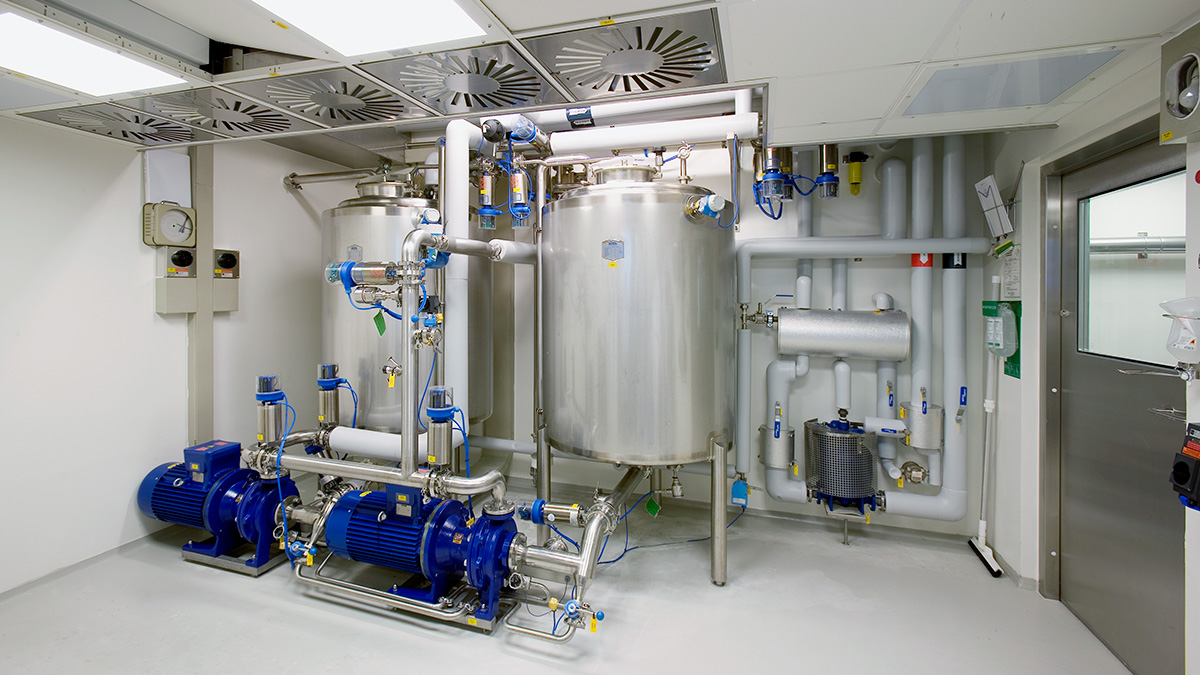
CIP/SIP ソリューション
GEA の革新的な CIP コンセプトは、包括的な最高規格を満たしています。当社のエキスパートは、プロセスのあらゆる時点で、製品の安全性を保証しています。どのアップグレードも、現場の個々の条件および顧客の要件に適合し、顕著な節約を実現します。
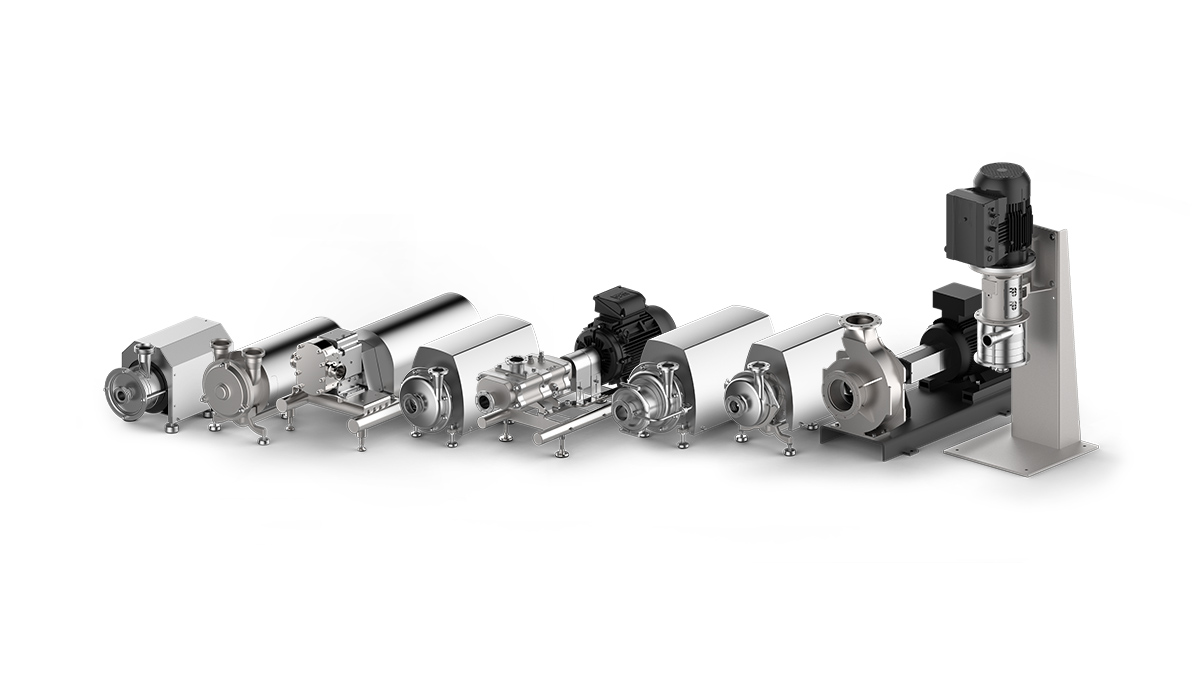
Hygienic pumps
GEA Hilgeでは、飲料、食品、製薬産業における多岐にわたる感度の高い用途に汎用性の高い遠心ポンプおよび容積型ポンプをご用意しております。

スキッド取り付けホモジナイザ
かねてから、GEA は医薬品およびバイオテクノロジー用途の超高圧 (VHP) ホモジナイザユニットの基準を確立してきました。当社の供給範囲は、細胞の溶解および粒子径の小型化の用途のためのベンチトップの研究室用機器からパイロット規模および生産用のスキッド搭載システムの社内設計・製造に及びます。
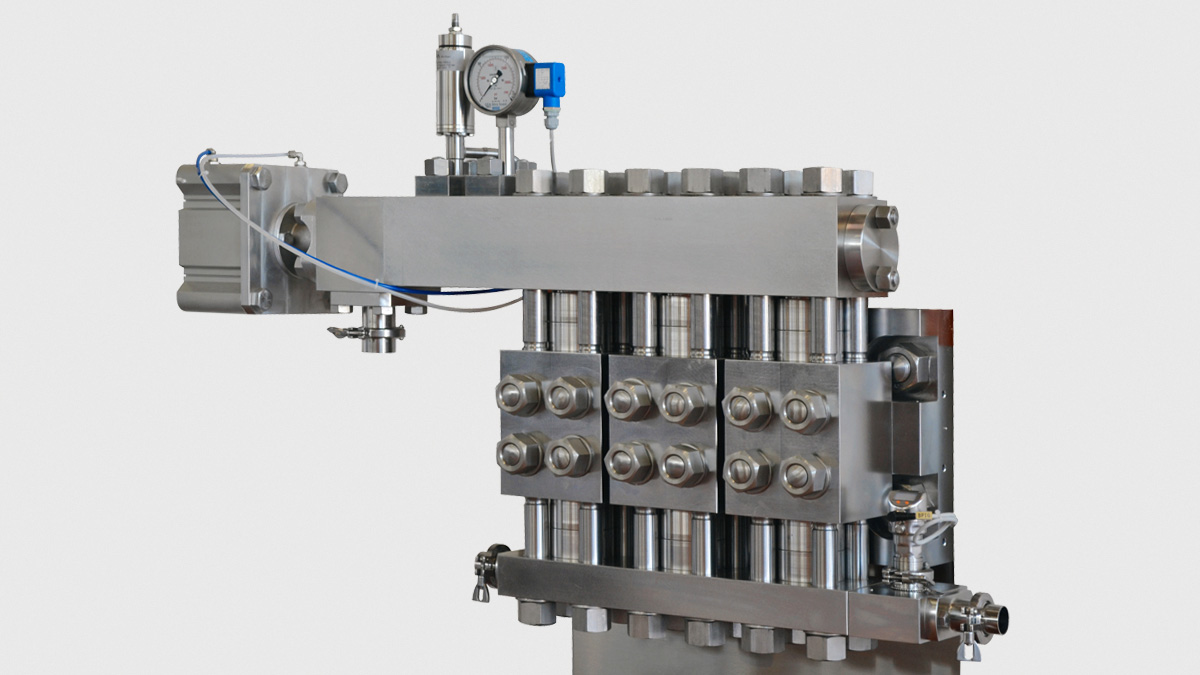
ホモジナイザ圧縮ブロック
GEA の圧縮ヘッドは、均質化バルブ内に流れ込むまで製品を高い圧力で送る均質化プロセスを起動するため、ホモジナイザパルスの中核部になっています。
Downloads
GEAインサイト

All pharmaceutical freeze-drying vials are the same! Aren't they?
Whether it’s a fad or the future, 100% vial traceability is becoming an increasingly important consideration in the pharmaceutical freeze drying industry. Keeping a close eye on developments is GEA. We’re investigating possible solutions and, what’s more, we have the experience, expertise and know-how to implement them.


Innovating patient care with aseptic spray drying
At GEA, our commitment to engineering for a better world fuels our pursuit of innovative solutions that enhance patient care and safety. One of our most promising ventures in recent years is aseptic spray drying – a technology that promises to revolutionize pharmaceutical manufacturing.

