
溶液結晶化は、過飽和溶液からの固体結晶の形成であり、一般にバルク製品の処理に使用されることから、「大規模結晶化」とも呼ばれます。
これは、極めて選択的な性質の固液分離プロセスです。このプロセスは、所望の粒度分布で高純度の結晶性生成物の製造を可能にする同時に、精製溶媒(水など)をリサイクルする機会を可能にします。
溶液結晶化は、ほとんどの用途、特に大容量の需要に適しています。さまざまな晶析装置の種類とそれらのエネルギー効率の高い構成を使用すると、所望の粒子サイズを達成することができます。
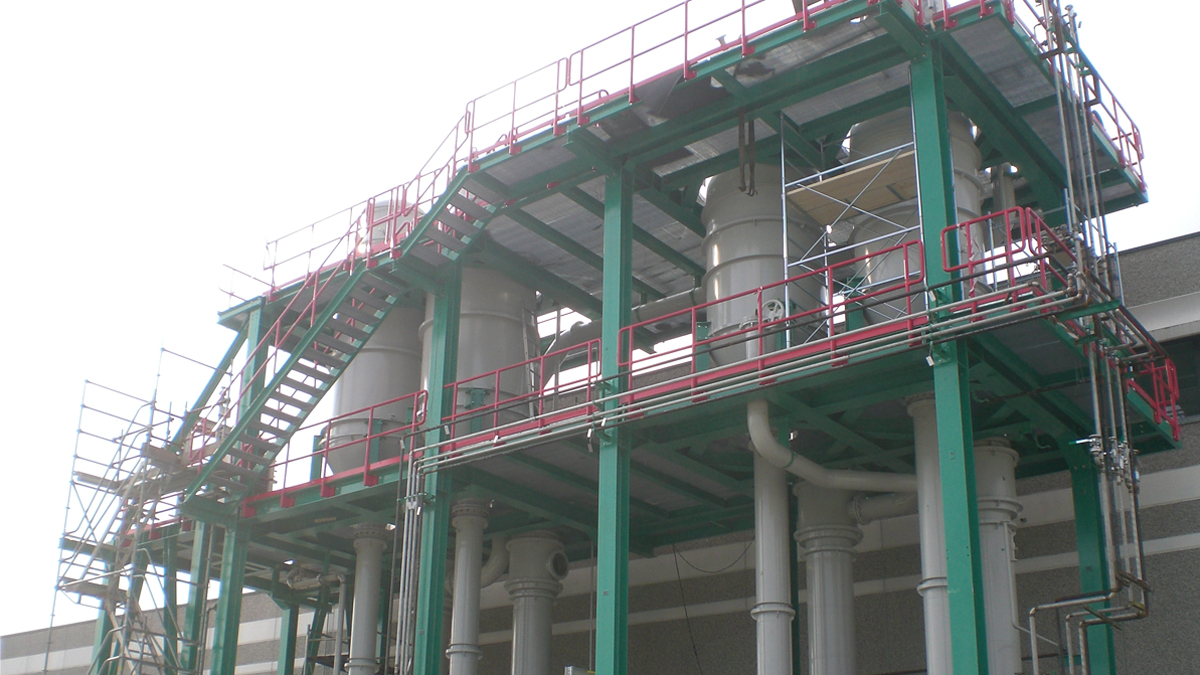
晶析装置の溶液結晶化には、強制循環式(FC)、ドラフトチューブバッフル(DTB)、流動床(Oslo)の3つの基本的な種類があります。これらは以下の用途に単独で使用することも、組み合わせて使用することもできます。
- 蒸発結晶化
- 真空冷却晶析
- 表面冷却法による晶析
- 反応晶析
プロセスに対応する適切な機器の選択と晶析操作の設計は、多くの製品とプロセス固有のパラメータの影響を受けます。
固有の特徴:
- 最大の製品収量で所望の製品純度を確保するプロセスコンセプト
- 所望の粒子サイズと形状を達成するさまざまな晶析装置の種類と配置
- 運用コストと環境フットプリントを最小限に抑えるための熱回収と熱統合
- 連続運転
- エネルギー効率の高い装置の概念
溶液晶析装置は、世界中で毎日数百万トンもの砂糖、塩、肥料などのバルク製品を処理しています。達成可能な粒子サイズは、晶析装置の種類によって異なりますが、数ミクロンから数ミリメートルの範囲です。
GEA溶液晶析装置は、以下を含むがこれらに限定されない多様な産業プロセスで役立っていることがわかります。
- 炭酸カリウムや多栄養肥料を含む農薬
- 食卓塩と無機塩類
- リチウム、マグネシウム、ニッケル、亜鉛塩を含む鉱物や金属、および銅、モリブデン、バナジウム、タングステンなどの合金化元素
- 無機酸
- 食品および食品関連化学物質
- 有機化学品およびバイオ化学品
- 埋立地浸出水処理施設
- ゼロ液体排出(ZLD)システムまでの工業廃水処理
熱分離装置の加熱オプション
Downloads

GEAインサイト

All pharmaceutical freeze-drying vials are the same! Aren't they?
Whether it’s a fad or the future, 100% vial traceability is becoming an increasingly important consideration in the pharmaceutical freeze drying industry. Keeping a close eye on developments is GEA. We’re investigating possible solutions and, what’s more, we have the experience, expertise and know-how to implement them.


Innovating patient care with aseptic spray drying
At GEA, our commitment to engineering for a better world fuels our pursuit of innovative solutions that enhance patient care and safety. One of our most promising ventures in recent years is aseptic spray drying – a technology that promises to revolutionize pharmaceutical manufacturing.

