
Liquid Dosage
Inhalable Suspension
Inhalation is often the preferred drug delivery method for lung diseases, offering a number of advantages for both patients and medical professionals for the administration of vaccines and other biological drugs.
The active ingredient of many inhalable products, such as anti-asthma medications, acts on the muscle cells of the pulmonary airways. Such medications can be rendered inefficient, however, if particles aggregate in the inhaler. In addition, to prevent dry powder aerosols from depositing particulate matter in the oropharyngeal cavity — and in the inhaler — dispensed particles should have a geometric diameter of 1–3 µm and a mass density of approximately 1 g/cm3.
Inhaled drugs are usually dissolved in an aqueous system, such as an isotonic salt solution, and aerosolized at a high pressure to obtain nebulized particles. The liquid solution is pumped through a homogenizing valve at 500–1000 bar, using a single stage process, during which semi-solid particles become dispersed in the liquid.
The high-pressure homogenization enables the size reduction of average to large particles and makes the suspension more stable as a result of the decreased sedimentation rate. Moreover, it eliminates biological risk and provides better tolerance to irritants, as well as improving the clarity and transparency of the processed product.
In addition to a comprehensive range of homogenizers, GEA also offers production-scale mixing, blending, spray drying and micronization solutions for the manufacture of inhalable products, plus an unparalleled level of expertise in the design and layout of suitable plant: from vessel size dimensions to valves and 3D P&IDs, and from R&D to full-scale production.
Produkty i technologie
Wyświetlane elementy: 4 z 14
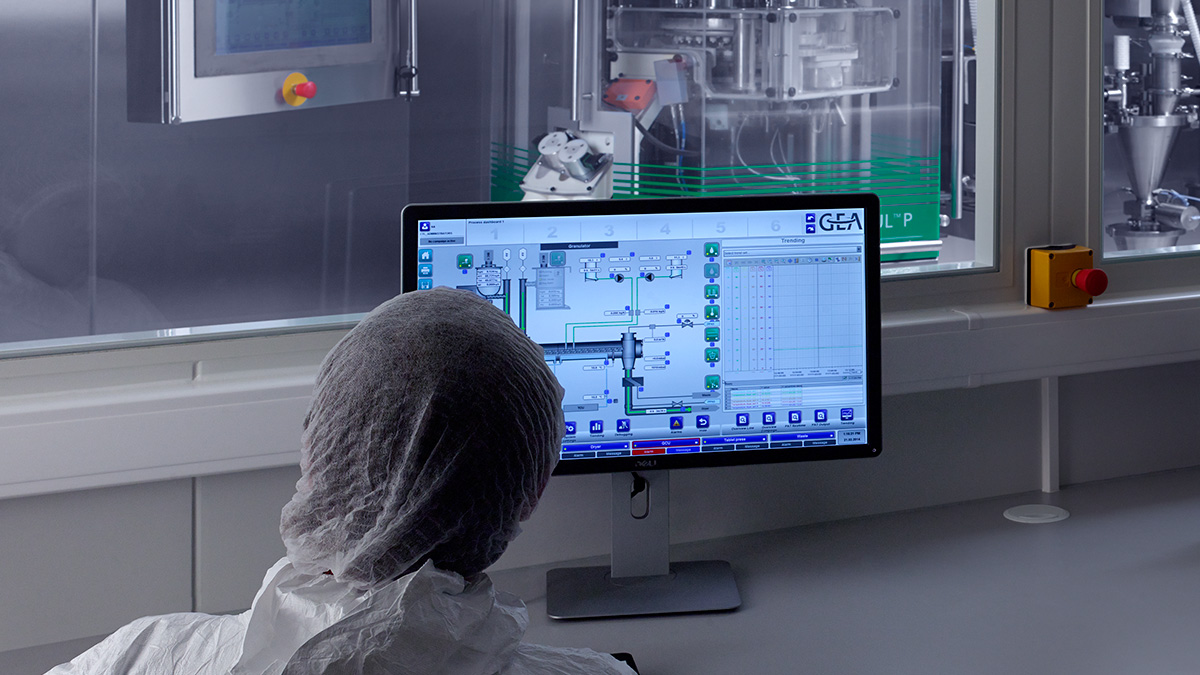
Analityczne liniowe urządzenia do kontroli i pomiaru
Połączenie monitorowania procesu z analizatorami w linii wraz z solidnymi zasadami projektowania procesu i zaawansowanymi technikami modelowania procesu umożliwi aktywne sterowanie procesem w celu kompensacji zmian sygnału wejściowego.
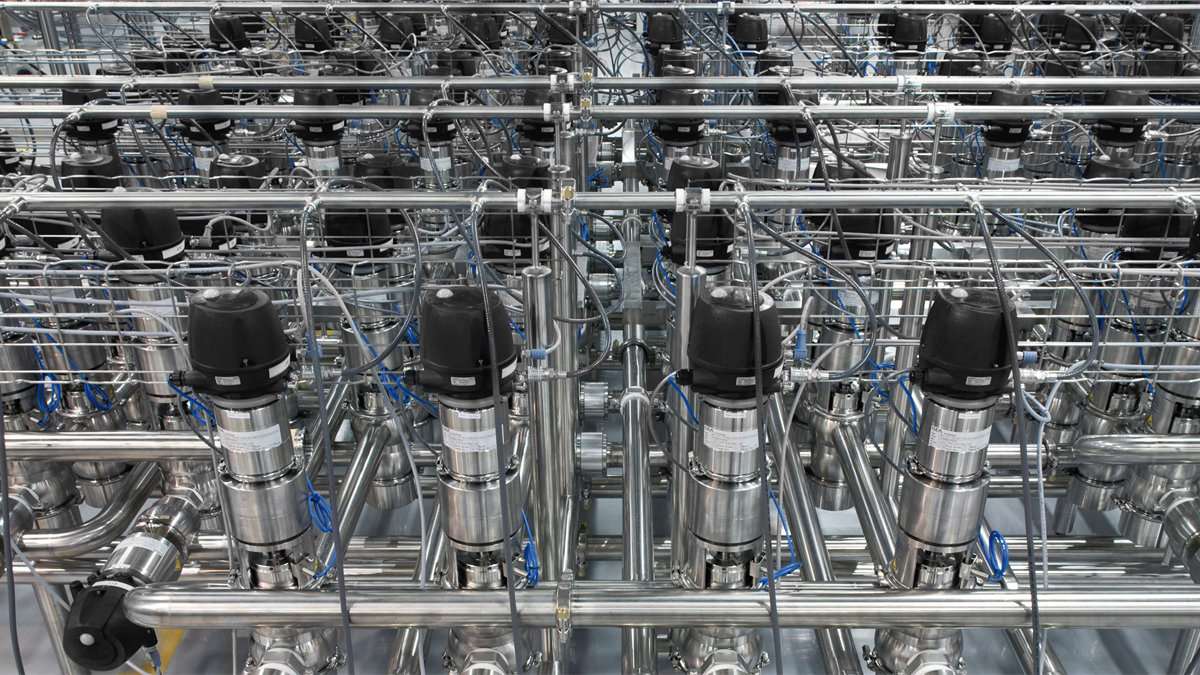
Higieniczne zawory i komponenty
Higieniczne zawory GEA stanowią główny komponent instalacji procesowych o matrycowym układzie rur. Dzięki pionierskiej koncepcji zaworu ustanawiającej standardy w zakresie elastyczności, jak również najnowszych funkcji regulacji i automatyzacji, nasze zawory oferują producentom maksymalne bezpieczeństwo produktu i niezawodność procesu. Wszystkie ...
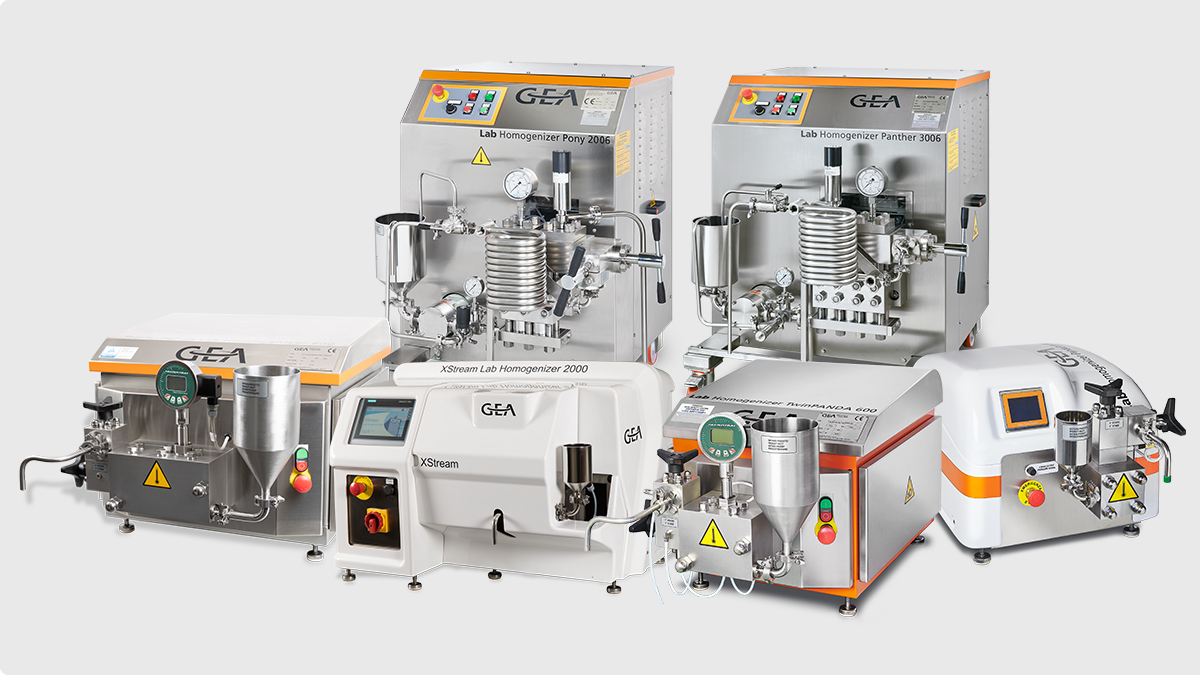
Homogenizatory laboratoryjne
Homogenizatory laboratoryjne od GEA, małe i kompaktowe, pozwalają testować wpływ homogenizacji na produkt oraz ustalać najlepsze parametry procesowe.

Homogenizatory przemysłowe
Homogenizatory GEA to urządzenia złożone z dwóch zasadniczych elementów: bloku sprężającego, który umożliwia pompie tłokowej wytwarzanie wysokiego ciśnienia, oraz zaworu homogenizującego zdolnego do mikronizacji rozproszonych cząstek do mikrometrów lub nanometrów, w zależności od właściwości produktu i zamierzonych rezultatów.
Downloads
GEA Insights

All pharmaceutical freeze-drying vials are the same! Aren't they?
Whether it’s a fad or the future, 100% vial traceability is becoming an increasingly important consideration in the pharmaceutical freeze drying industry. Keeping a close eye on developments is GEA. We’re investigating possible solutions and, what’s more, we have the experience, expertise and know-how to implement them.

Piwo bezalkoholowe: Wszyscy go pragną – piwa, nie alkoholu
Był taki czas, kiedy frazy „piwo bezalkoholowe” oraz „smakuje dobrze” bardzo rzadko pojawiały się w tym samym zdaniu, zwłaszcza w ustach konsumentów. Ale sektor piw o niskiej zawartości alkoholu i bezalkoholowych zdążył przejść bardzo długą drogę – wiele tego typu produktów to obecnie ożywcze napoje tworzące osobną kategorię – w dużej mierze dzięki technologii GEA.

Innovating patient care with aseptic spray drying
At GEA, our commitment to engineering for a better world fuels our pursuit of innovative solutions that enhance patient care and safety. One of our most promising ventures in recent years is aseptic spray drying – a technology that promises to revolutionize pharmaceutical manufacturing.

