
上游处理
Hydraulic oil
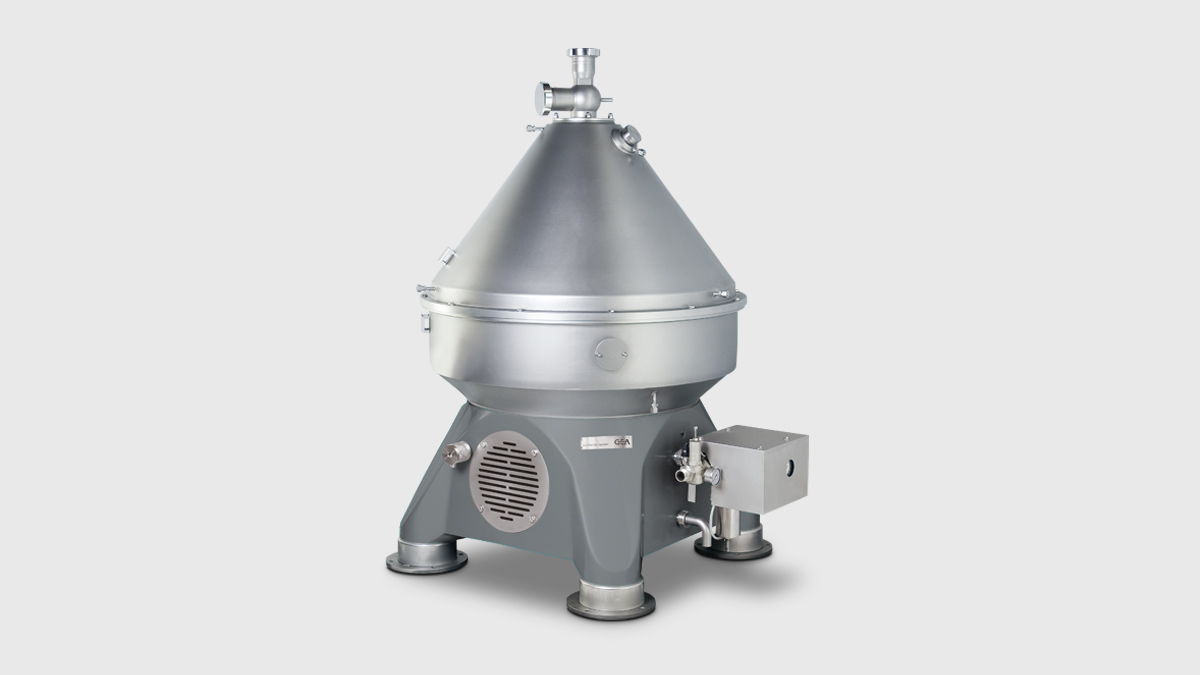
Water and dirt particles need to be continuously removed from lubricating and hydraulic oils, as entrained foreign substances can lead to corrosion, blockages and system malfunctions. If mechanical separation technology from GEA is used in the bypass to the circulation system, the purified oil ensures smooth long-term operation.
The centrifugal separators are capable of reliably removing metal particles down to 1 μm – about the size of a bacterium. Due to the lower density difference compared to water, organic particles of up to 5 μm can be separated. The water remaining in the oil after separation is less than 0.1 % by volume, i.e. over 99.9 % by volume are pure lubricating or hydraulic oil.
By using a separator, the oil can be cleaned more efficiently and faster than with a conventional sedimentation tank, for example. The steel and paper industry thus benefits from longer service lives for bearings, higher machine availability and reduced purchase and disposal costs for oil.
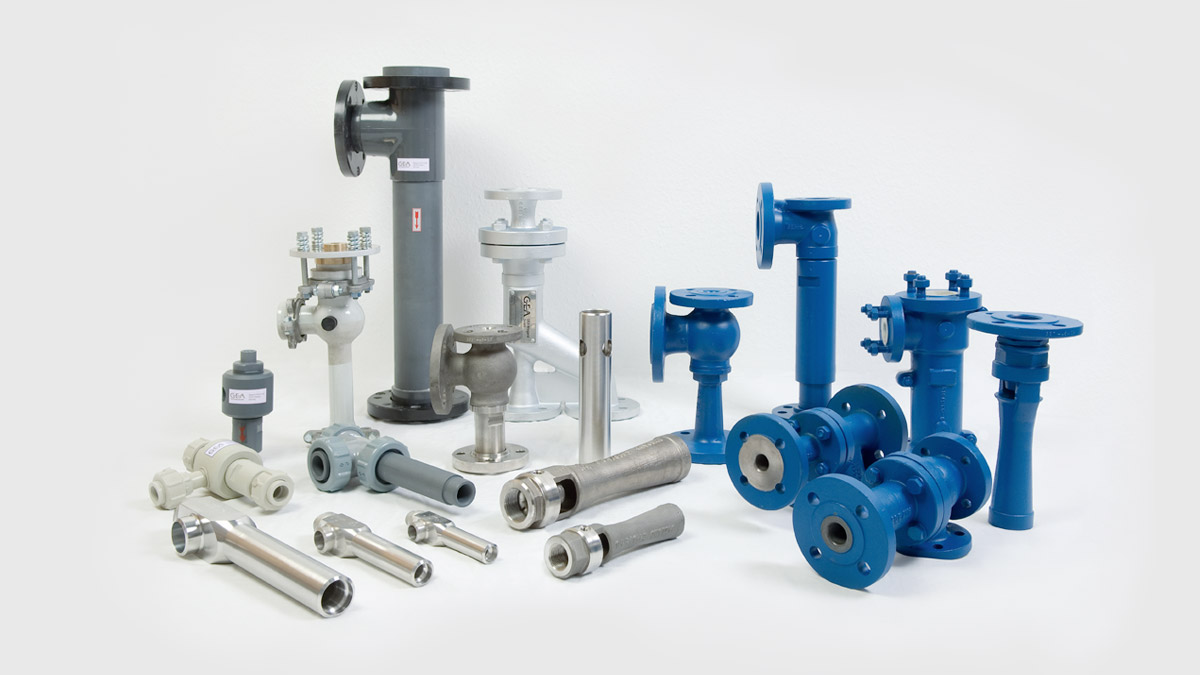
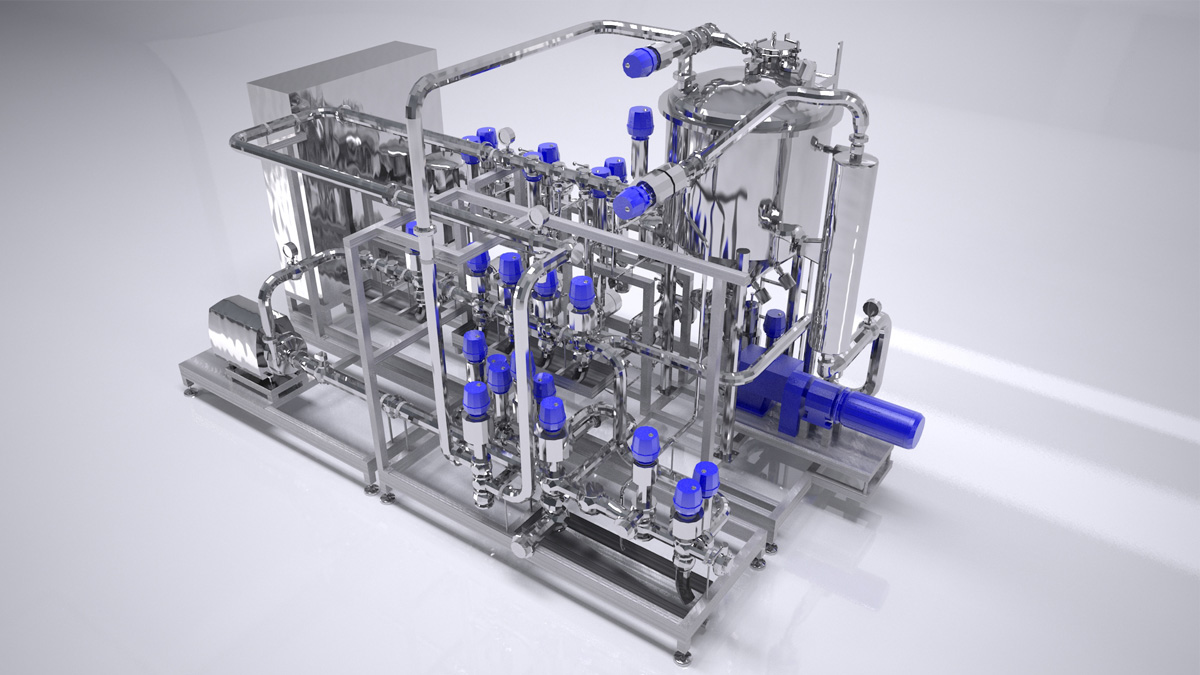


Downloads
GEA 洞察
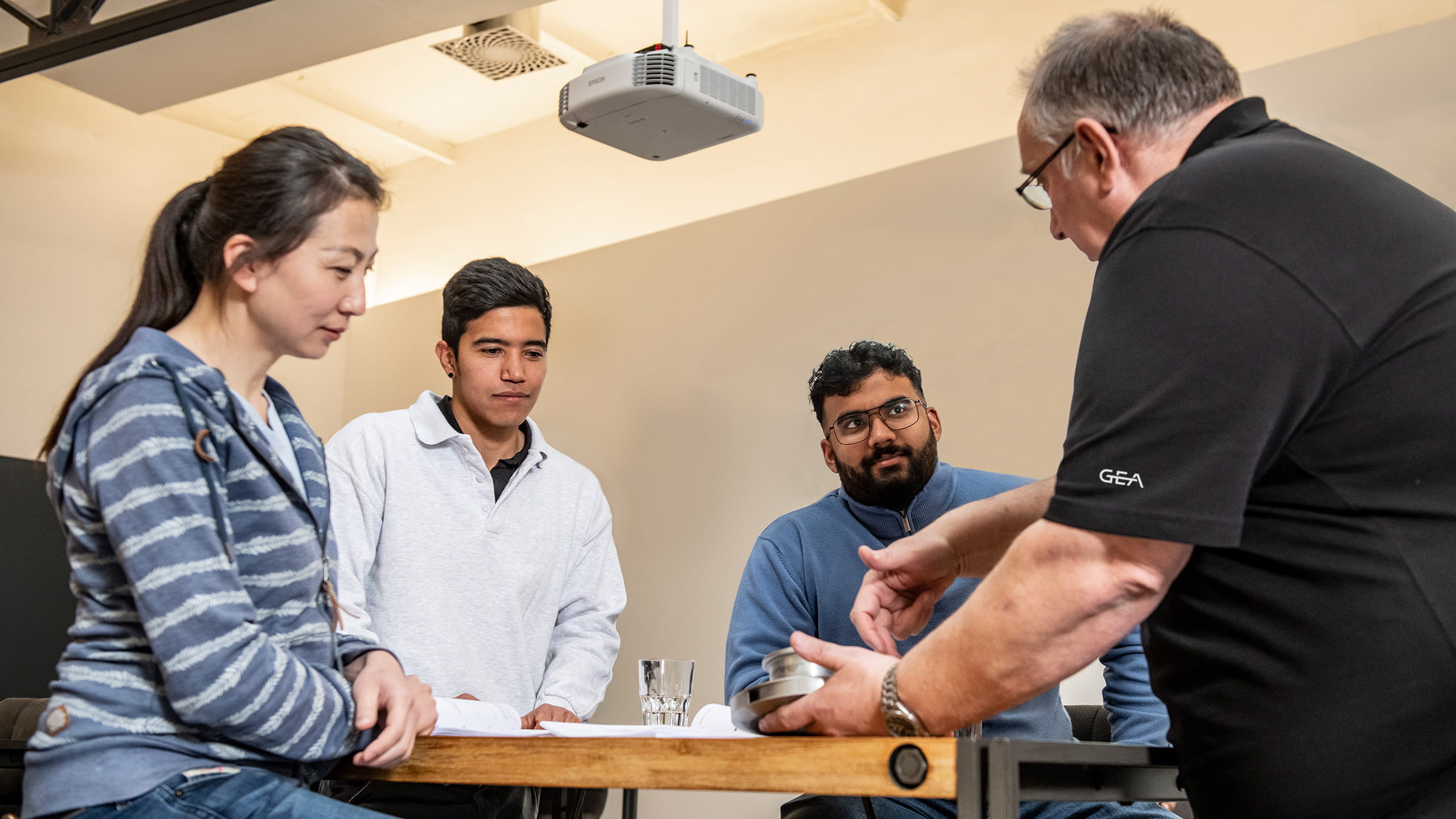
All pharmaceutical freeze-drying vials are the same! Aren't they?
Whether it’s a fad or the future, 100% vial traceability is becoming an increasingly important consideration in the pharmaceutical freeze drying industry. Keeping a close eye on developments is GEA. We’re investigating possible solutions and, what’s more, we have the experience, expertise and know-how to implement them.


Innovating patient care with aseptic spray drying
At GEA, our commitment to engineering for a better world fuels our pursuit of innovative solutions that enhance patient care and safety. One of our most promising ventures in recent years is aseptic spray drying – a technology that promises to revolutionize pharmaceutical manufacturing.

