
Biochemicals
Fuel Ethanol
Fuel Ethanol is produced either for blending with gasoline, or for conversion into the fuel additive ETBE (ethyl tertiary butyl ether). Different raw materials are used for the fuel ethanol production. The most common are corn and sugar cane, followed by cassava, sorghum, wheat and rye. More recent innovations include the commercialization of fuel ethanol production from cellulosic feedstock, and this method is likely to gain ground in the market over the coming years.
GEA designs and deliver complete process lines for the production of fuel alcohol. Our technologies cover all major steps:
- Raw material milling & mashing
- Fermentation
- Purification by centrifugal separation
- Distillation and ethanol drying
- Concentration of solubles by evaporation
- Drying of DDGS (distillers dried grains and solubles)
GEA’s systems are renowned for their energy efficiency and maximum production yield. Our heat-integrated processes employ sophisticated technologies including mechanical vapor recompression, multi stage distillation and evaporation, and heat optimized mashing systems.
Our experience in other alcohol markets, including beverages, as well as the fuel alcohol industry, means that we have extensive experience in production processes involving a wide range of raw materials. Using this global experience we can work with each client to tailor solutions to maximize efficacy and efficiency for each project’s requirements.
Outstanding performance and reliability
GEA’s engineering services support customers’ projects from the initial feasibility studies, to basic and detailed engineering, EPC for process plant or plant section, and commissioning and start up. We also offer comprehensive maintenance and after sales service plans to ensure that each plant continues to operate at maximum efficiency and reliability.
Flexible and scalable
Our scope of supply is flexible and can be adapted to project situation. We offer engineering services to support our customers projects from the first planning phases until commissioning and start up
- Project feasibility studies
- Basic and detailed engineering
- EPC for Process plant or plant sections
- Commissioning & start up
- Maintenance and after sales service
Products & Technologies
Showing 4 of 12
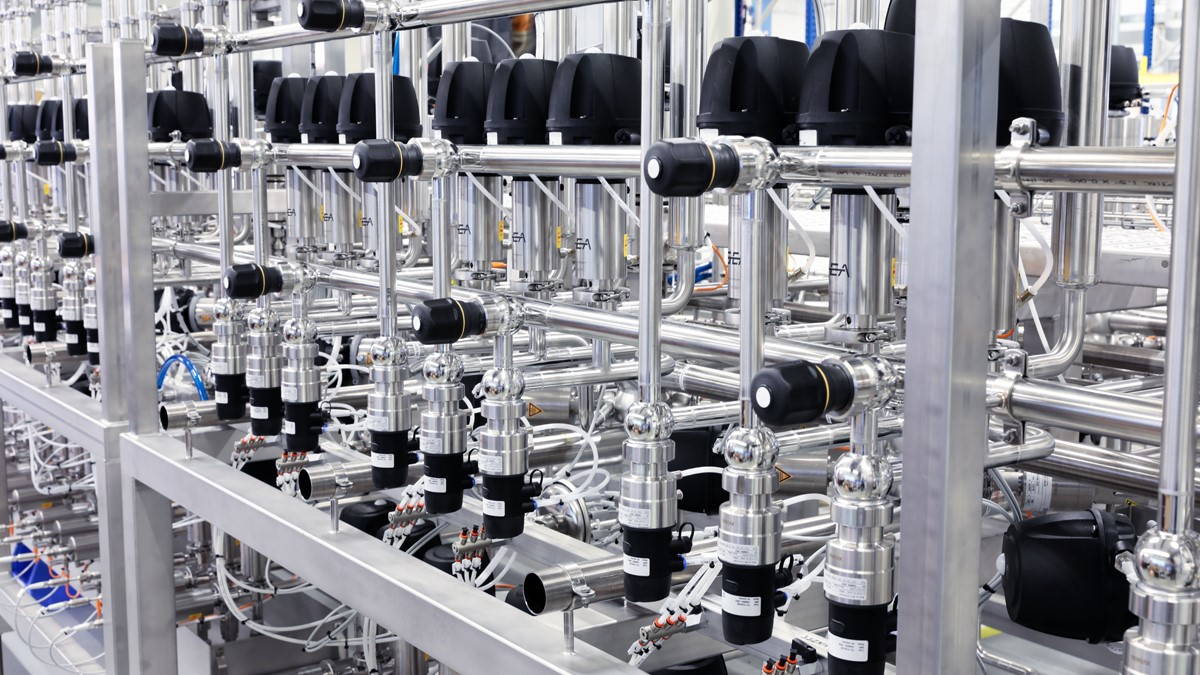
Aseptic valves & components
Aseptic valves face exceptionally high demands within UltraClean and Aseptic processes. You can be assured that they all provide highest quality in terms of hygienic design and sustainability.
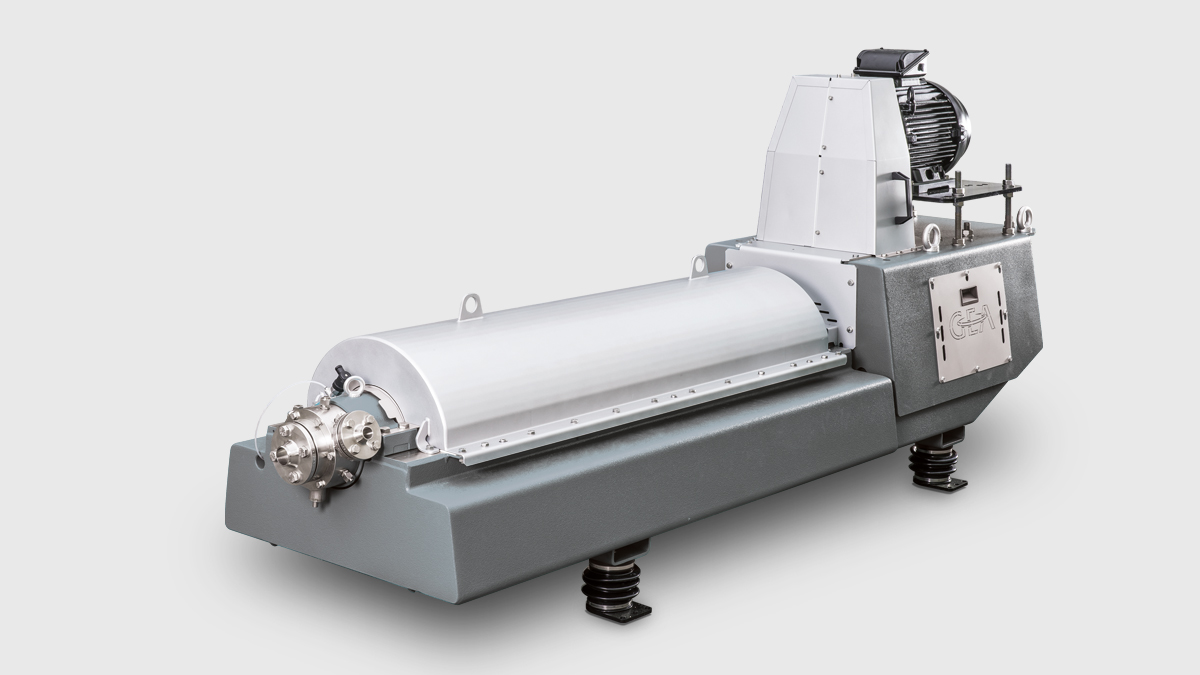
Decanter Centrifuge
The decanter’s hour has come as soon as the solids content in the suspension to be processed is particularly high. These machines provide the benefits of high clarifying efficiency and maximum dewatering as well as the separation of liquids with the simultaneous removal of solids. The main requirements in this respect include a high bowl speed, a...
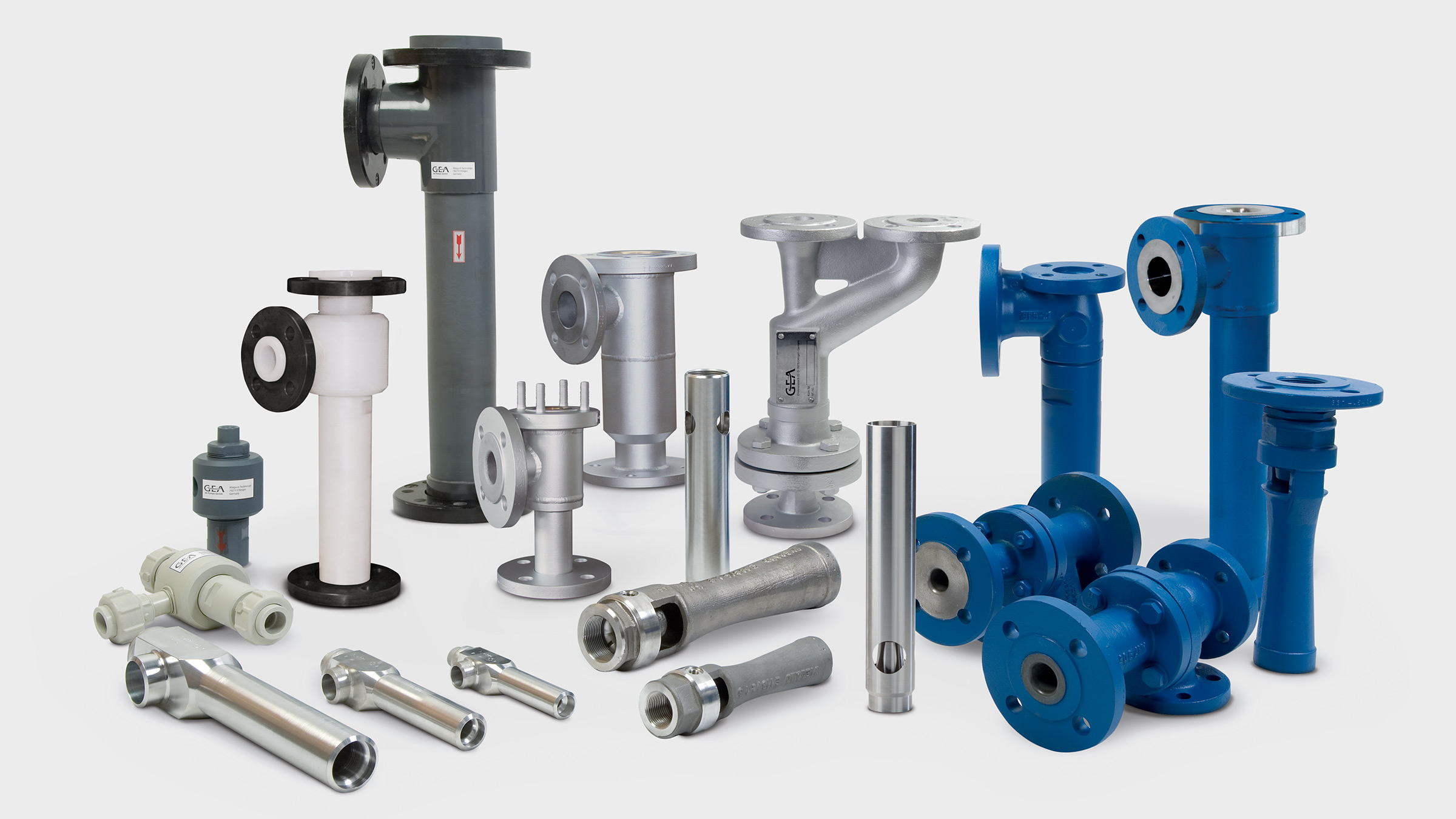
Ejector Systems
Ejectors, are devices for the conveyance, compression or mixing of gases, vapors, liquids or solids in which a gaseous or liquid medium serves as the motive force. They are "pumps without moving parts".
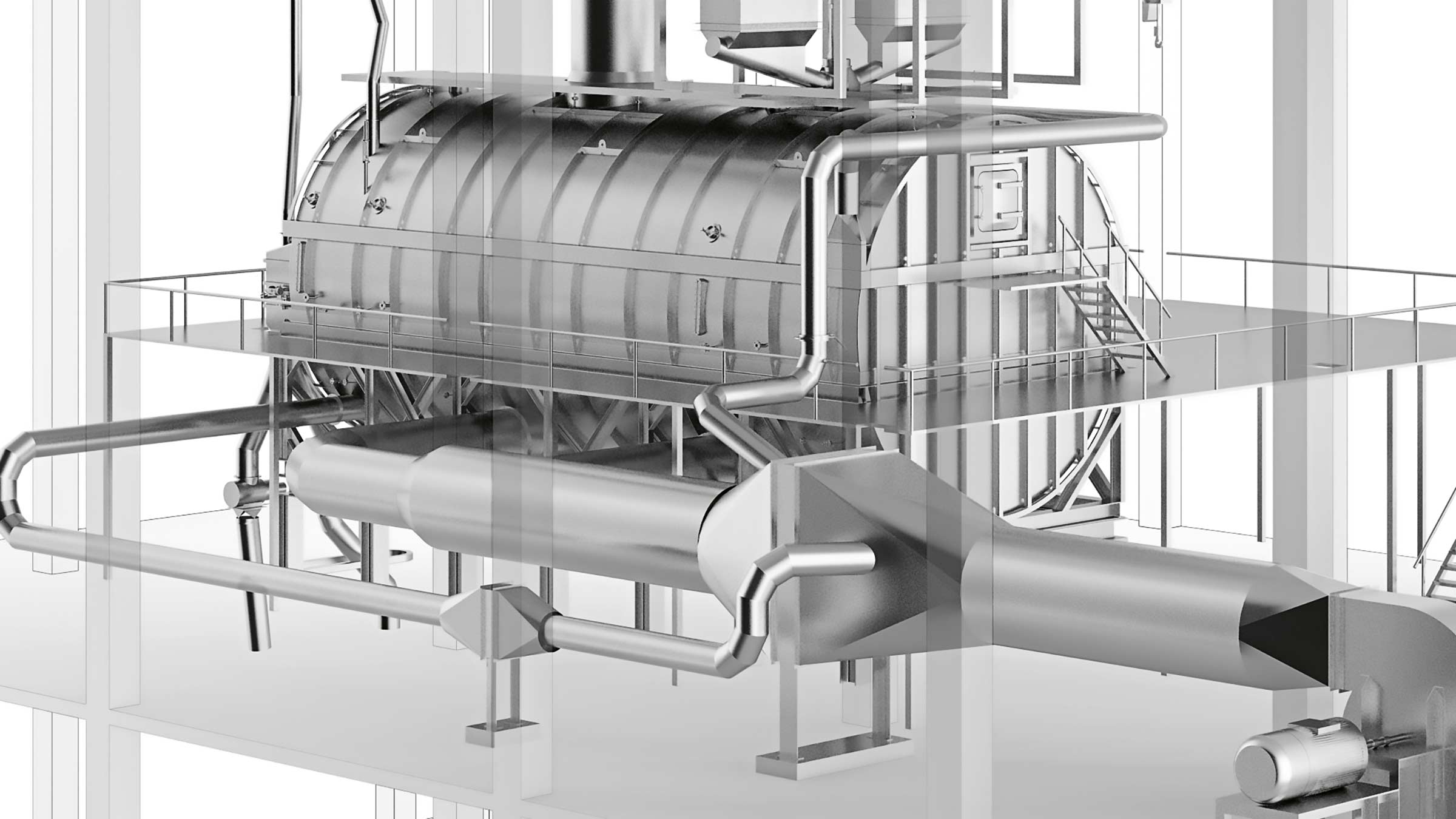
Fluid Beds
Fluid bed technology is a core technology of GEA. We supply several different types of Fluid Bed units for application within food and dairy products, chemicals and pharmaceuticals. All are applied for drying and/or cooling of particles - powders, agglomerates or pellets - and for production of agglomerates and granulates from fine powders.
Other applications


Downloads
GEA Insights India

All pharmaceutical freeze-drying vials are the same! Aren't they?
Whether it’s a fad or the future, 100% vial traceability is becoming an increasingly important consideration in the pharmaceutical freeze drying industry. Keeping a close eye on developments is GEA. We’re investigating possible solutions and, what’s more, we have the experience, expertise and know-how to implement them.

Alcohol-free beer: They want it all – they want less
There was a time when the phrases ‘non-alcoholic beer’ and ‘tastes good’ were seldom used together in the same sentence, particularly by consumers. But low-proof and alcohol-free beers have come a long way – many of them now refreshing drinks in their own right – thanks in no small part to technology from GEA.

Innovating patient care with aseptic spray drying
At GEA, our commitment to engineering for a better world fuels our pursuit of innovative solutions that enhance patient care and safety. One of our most promising ventures in recent years is aseptic spray drying – a technology that promises to revolutionize pharmaceutical manufacturing.
