
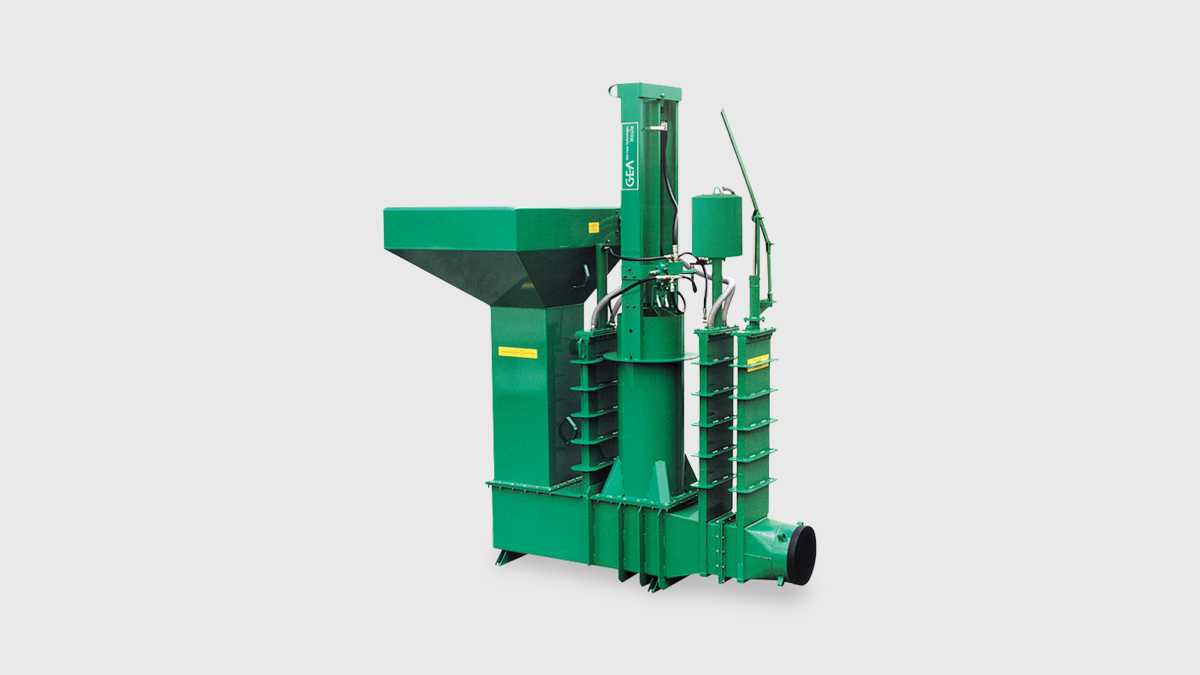
Evacuation line for hydraulic piston pumps
Accessories and options to build underground evacuation lines, to secure and preserve them from premature wear.
Sacrificial anodes
Very low voltage of electricity travels through the ground. The amount of electricity that can be carried by the ground depends on the type of soil. For example, damp hard clay soil has a high conductivity potential and dry coarse sand has virtually no conductivity potential.
Since electricity travels through the ground, if it finds a steel evacuation line, it will use it for whatever distance suits it. When electricity leaves the steel evacuation line, a chemical reaction occurs. This chemical reaction is the underground corrosion, which can be fast or slow depending on the type of soil in the area.
GEA recommends the use of a sacrificial anode on the equipment and at every 120 feet (36.5 m) on steel evacuation line.
- Sacrificial anodes are made of material that corrodes faster than steel. It is designed to protect steel pipes and elbows against corrosion.
- Anodes gradually corrode away over many years instead of the evacuation line.
- Once corroded away, if the anodes are not replaced, the corrosion will start its process on the evacuation line.
- Properly installed, sacrificial anodes may last up to 20 years.
Air flush
- A riser pipe is required every 200 feet (60 m).
- Some evacuation lines require extra risers where potential clogging can occur (i.e. sharp bend, long ascendant slope, etc.)
- A 6" (152 mm) gate valve is mandatory if the top of the manure reservoir is higher than the cap of the riser.
- Available for 6 5/8", 8 5/8", 12 3/4" and 16" (168, 219, 324 and 406 mm) evacuation line.
Flapper Valves
- Available for 12 3/4" and 16" (324 and 406 mm) evacuation line.

Downloads

GEA Insights India

All pharmaceutical freeze-drying vials are the same! Aren't they?
Whether it’s a fad or the future, 100% vial traceability is becoming an increasingly important consideration in the pharmaceutical freeze drying industry. Keeping a close eye on developments is GEA. We’re investigating possible solutions and, what’s more, we have the experience, expertise and know-how to implement them.

Alcohol-free beer: They want it all – they want less
There was a time when the phrases ‘non-alcoholic beer’ and ‘tastes good’ were seldom used together in the same sentence, particularly by consumers. But low-proof and alcohol-free beers have come a long way – many of them now refreshing drinks in their own right – thanks in no small part to technology from GEA.

Innovating patient care with aseptic spray drying
At GEA, our commitment to engineering for a better world fuels our pursuit of innovative solutions that enhance patient care and safety. One of our most promising ventures in recent years is aseptic spray drying – a technology that promises to revolutionize pharmaceutical manufacturing.
