
Magnum - Single Piston Pump
Field proven for over 35 years to evacuate dairy manure.
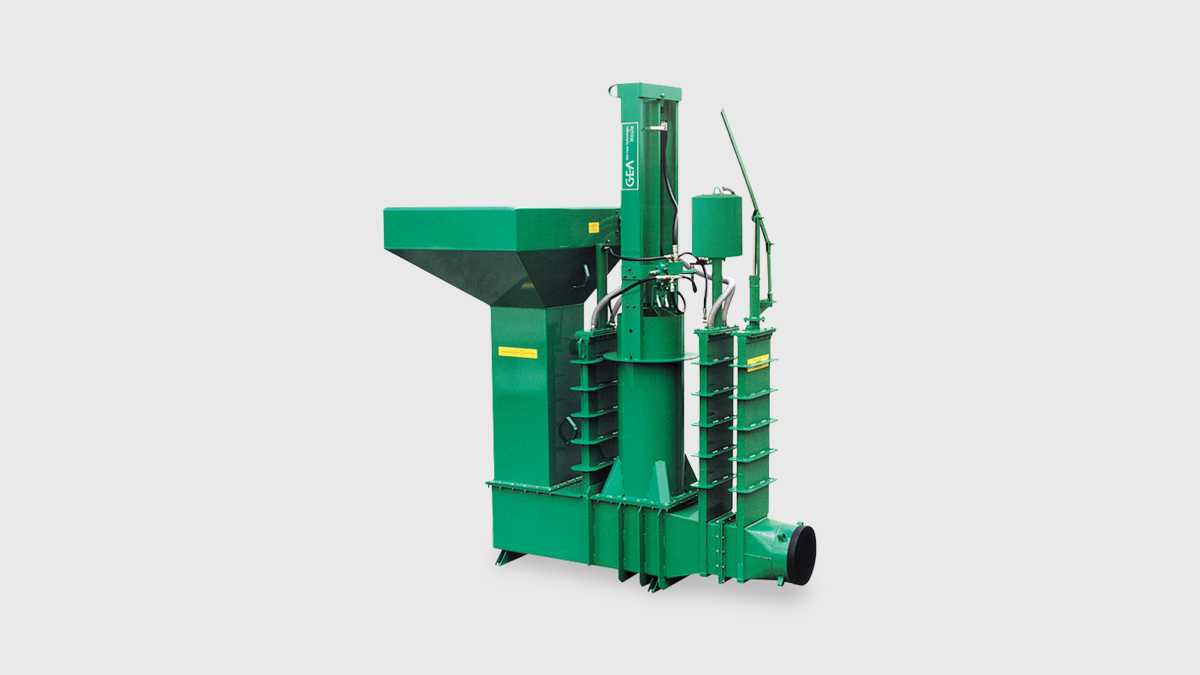


Key Features
- Available motors: 5 or 7.5 HP (5.5 or 3.7 kW).
- Stainless steel pumping tube.
- Low pressure mechanical reversing system for smooth operation.
- Main piston cylinder and both intake and outlet guillotines are driven by a hydraulic power unit.
- Hydraulic intake and discharge guillotines.
- The pump can be installed to start automatically or manually by means of a control panel.
- Easy access to the remote grease lines on top of the pump.
- 16" (406 mm) discharge.
- The Magnum is offered with different features to secure your installation when the top of the reservoir is higher than the top of the barn floor or when you have to manage manure containing sand bedding.
- Performance varies according to installation, manure consistency, quantity and type of bedding - Water addition may be required and straw bedding up to 40 lb per milking cow per day.
Working Principle
During the siphoning cycle (up stroke) the pressure coming from the hydraulic power unit goes through the reversing valve which redirects it first to the discharge guillotine to close it then, to the intake guillotine to open it and finally, to the main piston to stroke upward and fill the evacuation chamber with manure.
During the evacuation cycle (down stroke) the hydraulic pressure closes the intake guillotine and opens the discharge guillotine. Once both guillotine cylinders have reached the end of their stroke, the pressure reaches the upper part of the main piston cylinder to evacuate manure.
Hydraulic Power Unit
- 5 or 7.5 HP (5.5 or 3.7 kW).
- Electric oil heater available.

Downloads
Related Products

Electromix System - Single Piston Pump
A reliable and versatile system designed to homogenize solid dairy manure and liquid into slurry that can be evacuated through small PVC pipe.
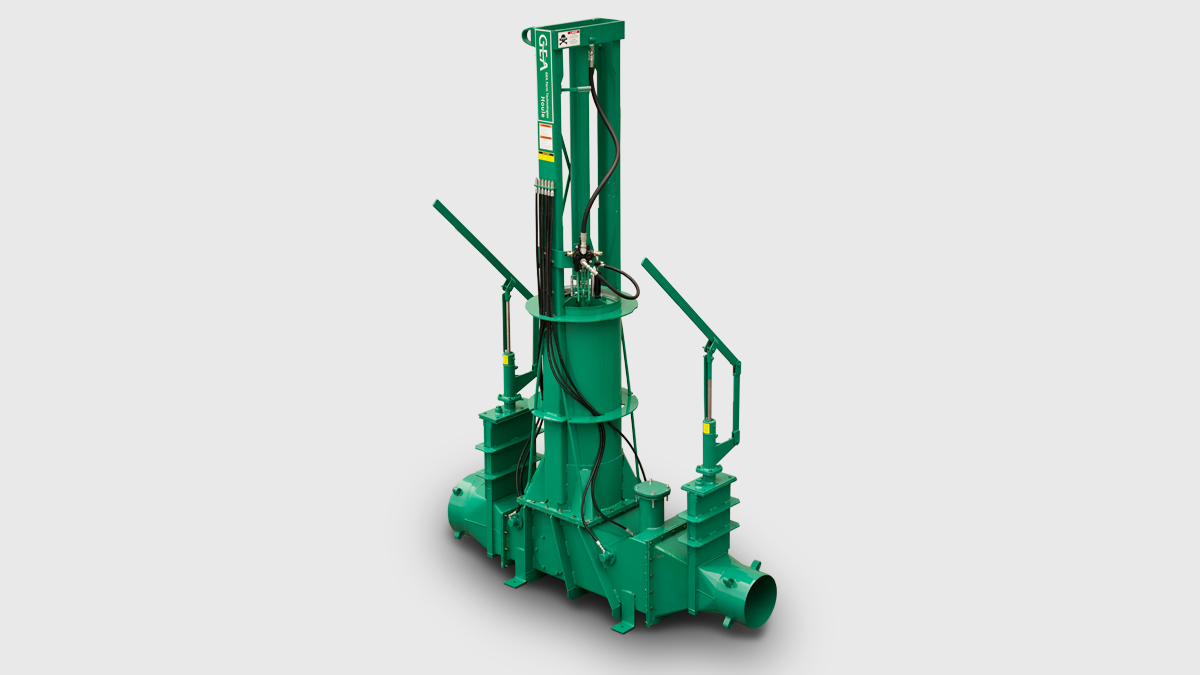
Futuro - Single Piston Pump
To evacuate free stall manure containing limited amount of bedding.
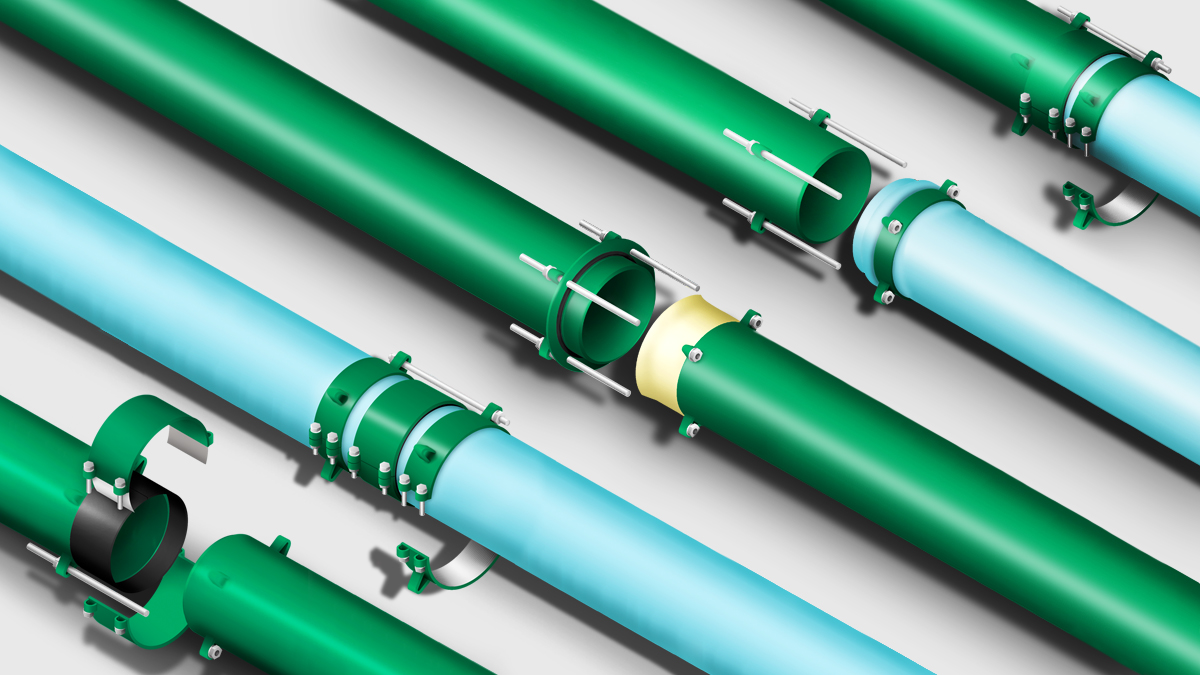
Evacuation line for hydraulic piston pumps
Accessories and options to build underground evacuation lines, to secure and preserve them from premature wear.
GEA Insights India
All pharmaceutical freeze-drying vials are the same! Aren't they?
Whether it’s a fad or the future, 100% vial traceability is becoming an increasingly important consideration in the pharmaceutical freeze drying industry. Keeping a close eye on developments is GEA. We’re investigating possible solutions and, what’s more, we have the experience, expertise and know-how to implement them.

Alcohol-free beer: They want it all – they want less
There was a time when the phrases ‘non-alcoholic beer’ and ‘tastes good’ were seldom used together in the same sentence, particularly by consumers. But low-proof and alcohol-free beers have come a long way – many of them now refreshing drinks in their own right – thanks in no small part to technology from GEA.

Innovating patient care with aseptic spray drying
At GEA, our commitment to engineering for a better world fuels our pursuit of innovative solutions that enhance patient care and safety. One of our most promising ventures in recent years is aseptic spray drying – a technology that promises to revolutionize pharmaceutical manufacturing.
