
CO2 saving processes
Energy recovery from flue gases
Increasing economic efficiency and reducing the CO2-emissions with energy recovery units in your industrial process.
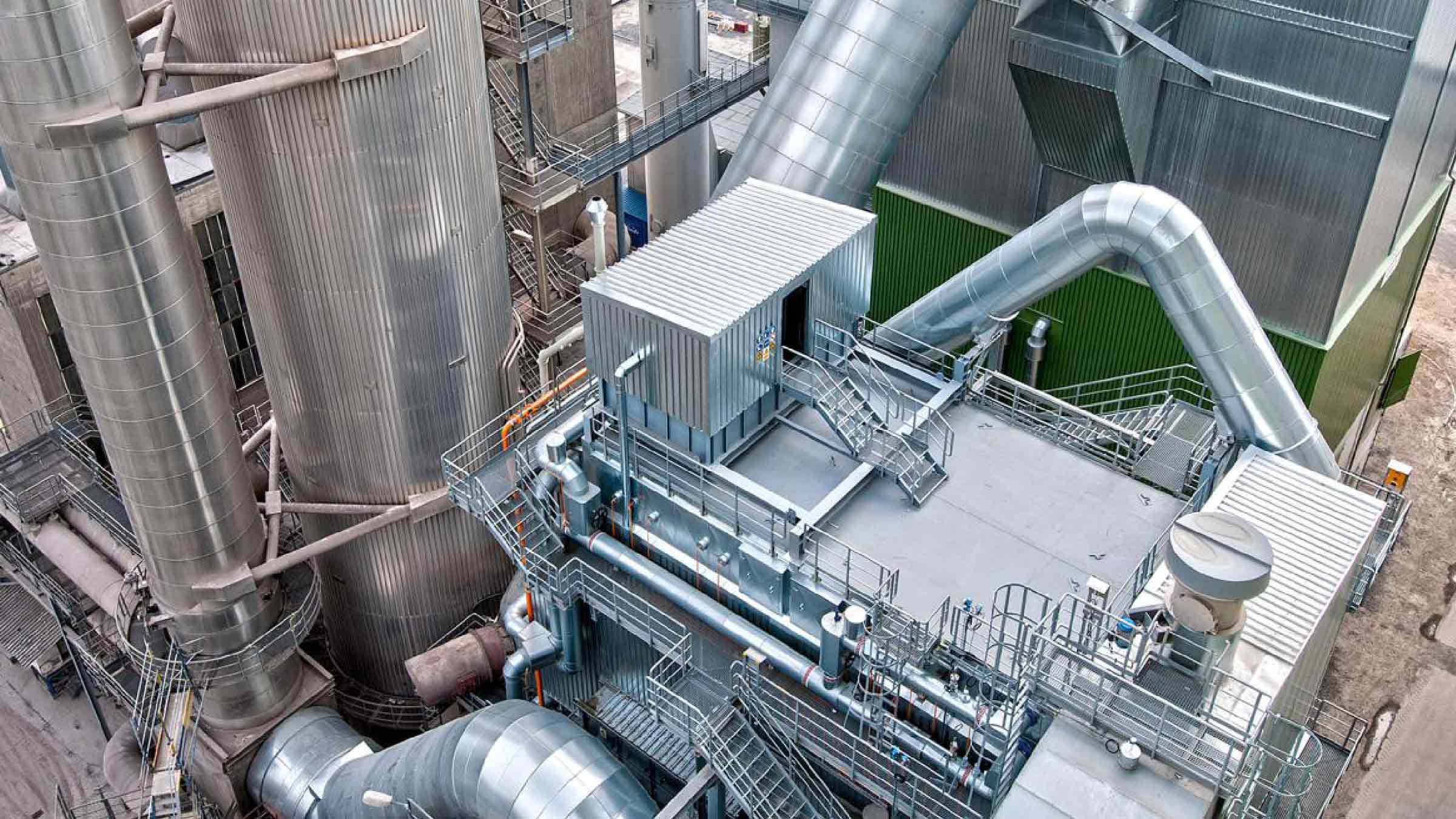


Energy saving is a key success factor when trying to achieve a reduction of the carbon footprint, it can be made by improving process efficiency to recover waste heat, not only from the production process, but also from the hot process gas that in many cases is simply released into the atmosphere, unutilized.
The saving of energy costs and the reduction of CO2 emissions by avoiding fossil fuels make an Energy Recovery Plant an investment that not only provides competitive advantages that positively impact the final product cost, but also helps preserve our environment for the future generations.
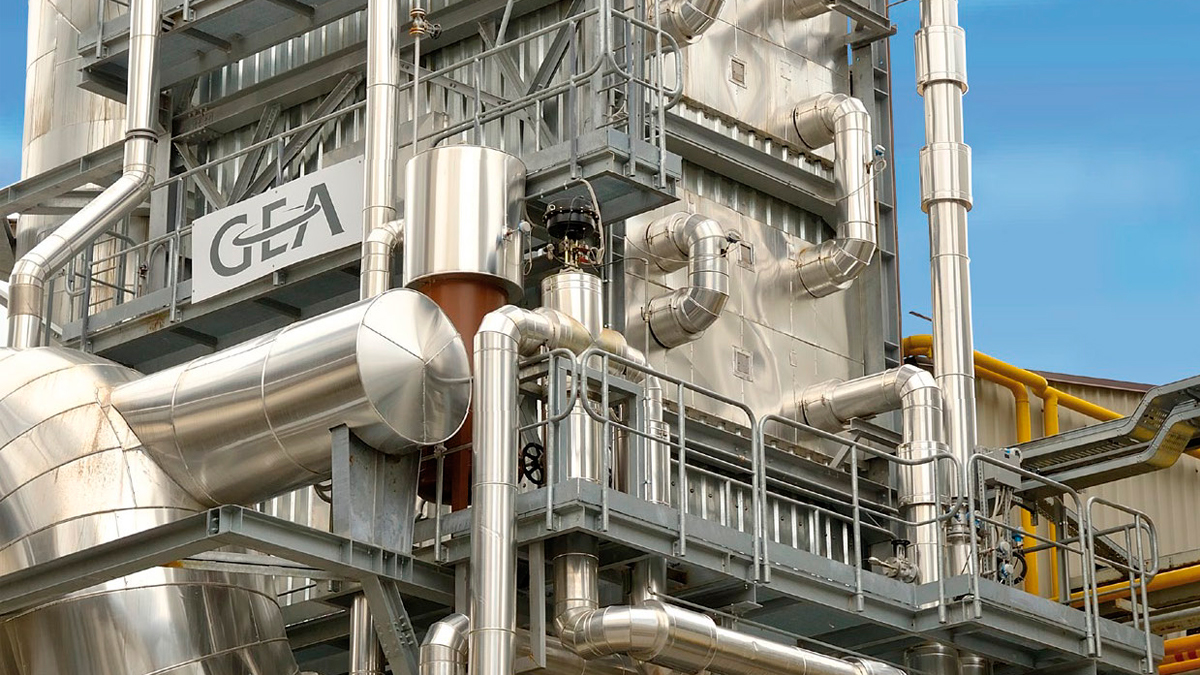
GEA offers WHR (Waste Heat Recovery) units alone or in combination with gas cleaning technologies as well, using heat exchanger systems suitable for waste gas conditions such as dust content.
These heat exchanger units have been used in diverse projects worldwide and have proven reliable and highly efficient.
Usually, the GEA energy recovery system consists of:
- Waste Heat Recovery Units
- ORC module
The heat recovered from the flue gas can be used for:
- power generation
- compressed air production by use of thermal oil
- local and district heating networks
- heat for industrial processes
Particular features
- Process-optimized heat recovery
- High serviceability
- High modular flexibility, apt for narrow spaces
- Quick ROI (Return of Investment), sustainable reduction of energy costs
- Electricity production by ORC (Organic Rankine Cycle) technology
Working Principle
Working Principle of Energy Recovery from Flue gasesThe largest sources of waste heat for most industries are exhaust and flue gases. Either as high-temperature gases from burners or at lower temperatures within the air treatment process.Cement industry
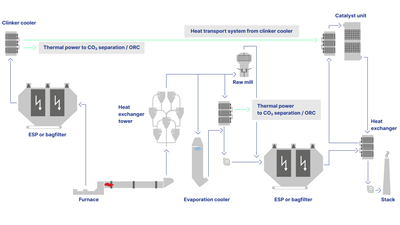
Waste heat can be recovered from the clinker cooler waste gas as well as the preheater waste gas. Different heat exchanger systems shall be used for the two waste gases, because of the difference in dust content.
The heat can be used for the operation of an ORC turbine for power generation or to generate hot thermal oil or water for other uses.
The use of the heat energy in the gas cleaning process in the SCR is possible as well:
Glass industry
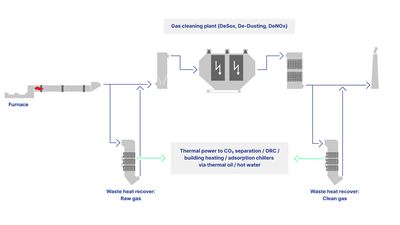
Depending on the available gas temperature upsteam and downstream the gas cleaning, the waste heat can be recovered at two different stages of the cycle.
Downloads
Produits associés
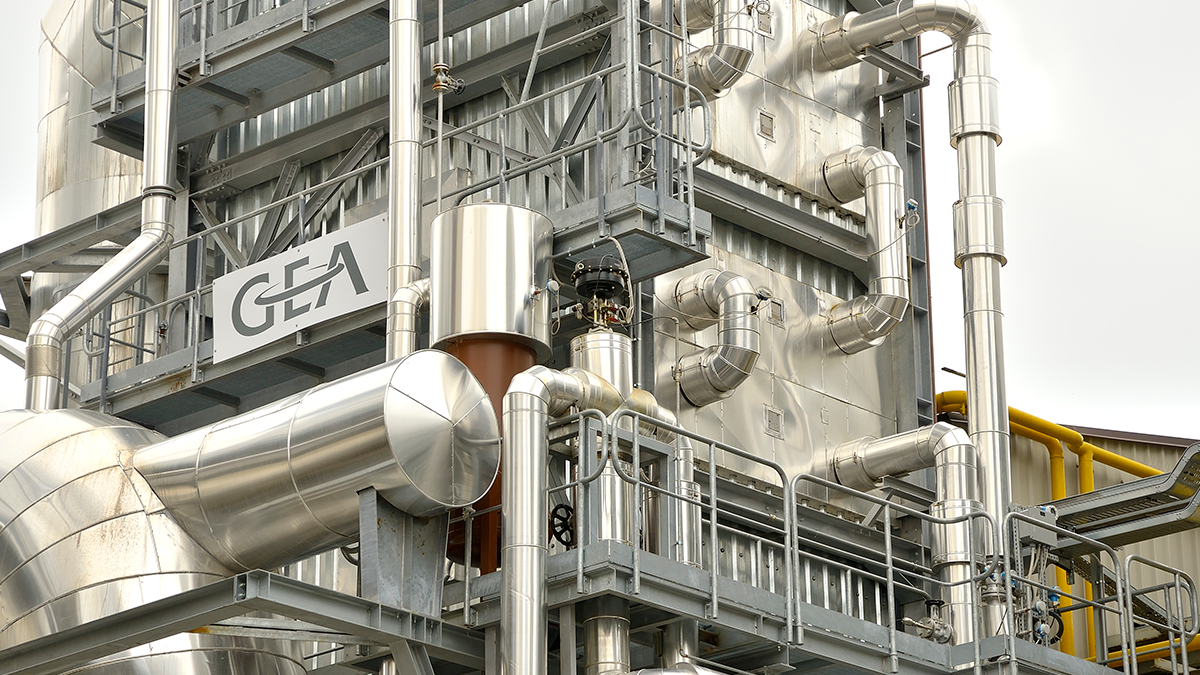
Unité de récupération d'énergie GEA
Au cours des dernières années, les prix élevés de l'énergie et la nécessité de réduire les émissions de CO<sub>2</sub> ont renforcé l'importance des applications de récupération d'énergie pour tous les processus industriels. Le passage de gaz de procédé chauds dans la cheminée d'une usine implique une perte d'énergie thermique précieuse qui pourr...
Module ORC de GEA
L’industrie de procédé à procédés à forte intensité énergétique génère de grandes quantités d’émissions de déchets, qui restent souvent inexploitées. Il serait cependant avisé d’en exploiter l’énergie thermique, à la fois économiquement et écologiquement parlant, au vu de la hausse constante des coûts de l’énergie, du besoin des entreprises de re...
GEA Insights

All pharmaceutical freeze-drying vials are the same! Aren't they?
Whether it’s a fad or the future, 100% vial traceability is becoming an increasingly important consideration in the pharmaceutical freeze drying industry. Keeping a close eye on developments is GEA. We’re investigating possible solutions and, what’s more, we have the experience, expertise and know-how to implement them.

Bière sans alcool : Ils en veulent tous – avec moins
Autrefois les expressions « bière sans alcool » et « c’est bon » étaient rarement utilisées ensemble dans la même phrase, en particulier par les consommateurs. Mais depuis les bières à faible teneur en alcool et sans alcool ont fait bien du chemin et nombreuses d’entre elles ont désormais accédé au rang de boissons rafraîchissantes à part entière, et ce, en grande partie grâce à la technologie de GEA.

Innovating patient care with aseptic spray drying
At GEA, our commitment to engineering for a better world fuels our pursuit of innovative solutions that enhance patient care and safety. One of our most promising ventures in recent years is aseptic spray drying – a technology that promises to revolutionize pharmaceutical manufacturing.
