
Liquid Dosage
Therapeutical Proteins
Protein-based therapeutics are increasingly being developed as new chemical entities in the pharmaceutical and life science industries. Unlike small molecules, which are typically synthesized using chemical processes, most proteins need to be processed in living systems, mostly by recombinant DNA technology. The proteins can then be produced in their functional form (quaternary structure), rather than by microbial biosynthesis (bacteria/yeast), substantially reducing the downstream stages of the process.
The GEA Advantage
As the demand for large-volume products increases, so does the requirement for higher capacity reactors (up to 20,000 L) to realize economies of scale. GEA has responded to the changing needs of biopharmaceutical manufacturers and developed improved technology solutions to optimize both upstream and, with increasing titers, downstream processing, in terms of time and cost efficiency.
Based on its history of innovation and process development, GEA has a thorough working knowledge of therapeutic protein production and has used this competence to design better media and feeding strategies, optimize the fermentation stage and enhance physicochemical conditions during the manufacturing process.
A leading international supplier of integrated process systems, our extensive portfolio of products, technologies and services includes standard and customized fermenters, separators and entire production lines, as well as plant for the production, storage and distribution of clean utilities. Systems for the preparation of media, fluid management, cell cultivation and purification are also part of our global scope of supply.
As a competent manufacturer of complete plant for the life science industries, GEA is a full-service provider of solutions that meet your exact requirements and specifications. From planning, development and installation to qualification and maintenance, our experienced engineers will collaborate with your project team to supply innovative and efficient process solutions for your applications.
Productos y tecnologías
Mostrar 4 de 12
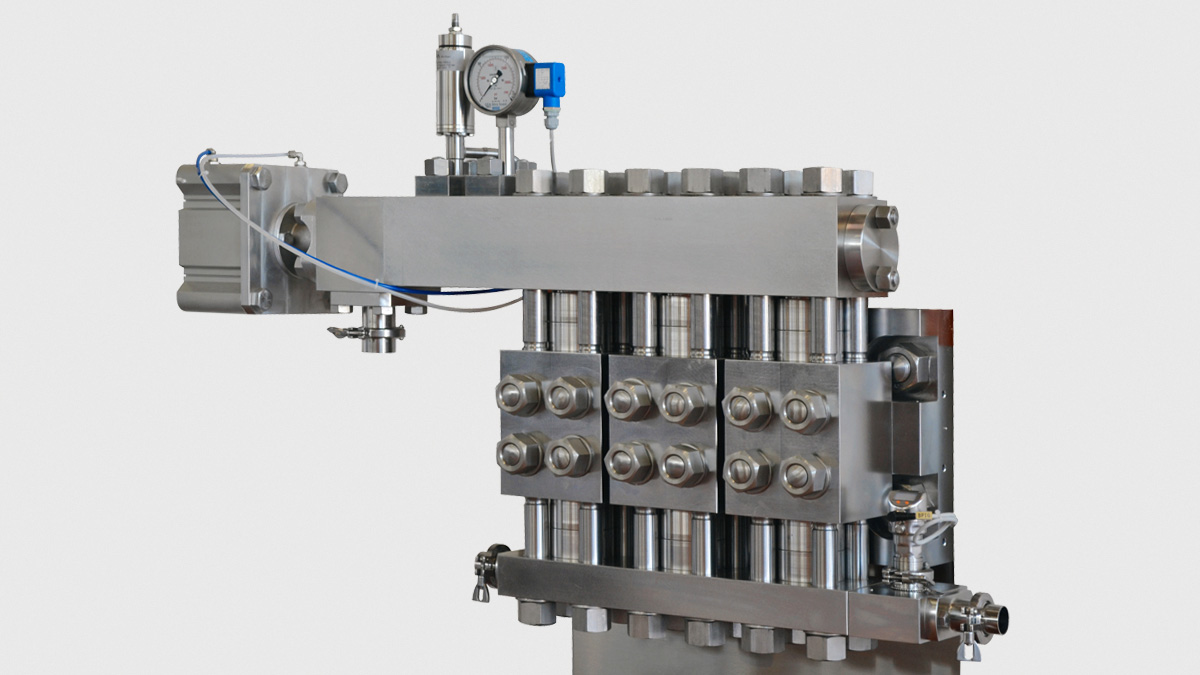
Bloque de compresión del homogeneizador
Los cabezales de compresión de GEA son el elemento central del homogeneizador puesto que bombean el producto a alta presión hasta que fluye por el interior de la válvula de homogeneización y de esta forma activan el proceso de homogeneización.
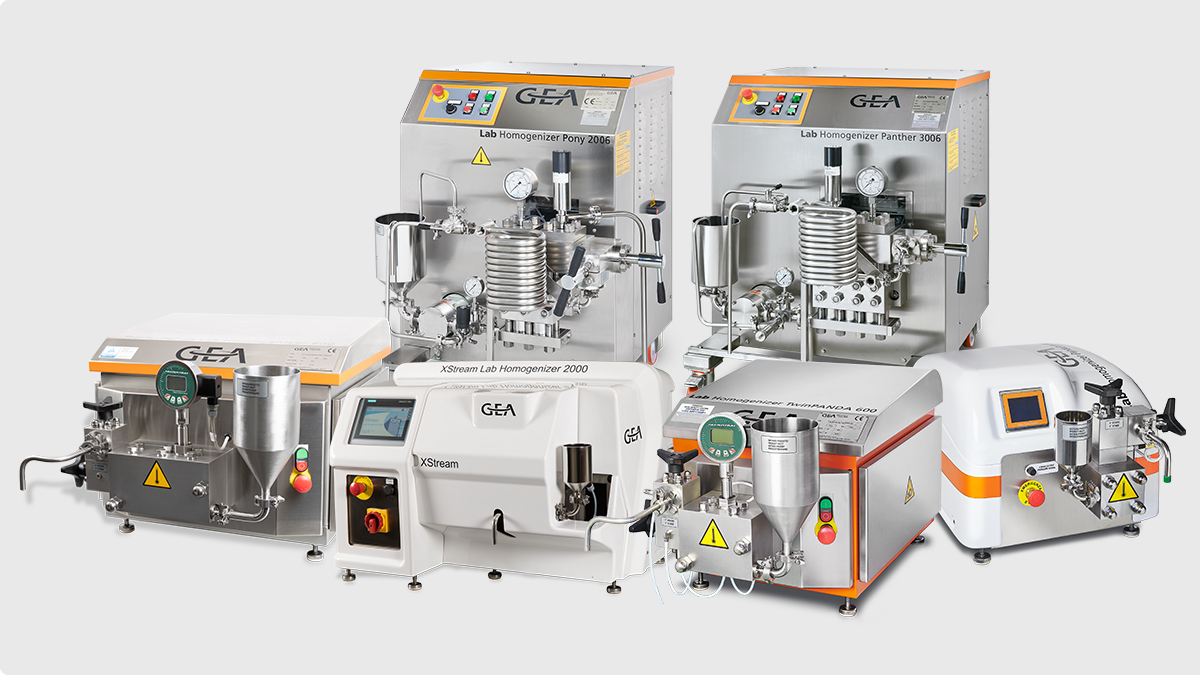
Homogeneizadores de laboratorio
Los homogeneizadores de laboratorio de GEA son equipos pequeños y compactos que permiten comprobar los efectos de la homogeneización en el producto y determinar cuáles son los mejores parámetros del proceso.

Homogeneizadores industriales
Los homogeneizadores industriales de GEA son máquinas que constan de dos elementos fundamentales: un bloque de compresión que permite bombear el producto a alta presión y una válvula de homogeneización capaz de micronizar las partículas dispersas hasta que alcancen el tamaño de micrómetros y nanómetros, dependiendo de las características del prod...

Homogeneizadores modulares
Durante un tiempo, GEA ha sido referente en homogeneizadores que funcionan a muy alta presión (VHP) para aplicaciones farmacéuticas y biotecnológicas. Nuestra gama incluye desde máquinas de laboratorio de mesa hasta el diseño y la fabricación en nuestras instalaciones de plantas piloto y fabricación de sistemas montados en plataforma para lisis c...
Downloads
GEA Insights

All pharmaceutical freeze-drying vials are the same! Aren't they?
Whether it’s a fad or the future, 100% vial traceability is becoming an increasingly important consideration in the pharmaceutical freeze drying industry. Keeping a close eye on developments is GEA. We’re investigating possible solutions and, what’s more, we have the experience, expertise and know-how to implement them.

Cerveza sin alcohol: Lo quieren todo pero quieren menos
Hubo un tiempo en que nunca se mencionaban juntas la ‘cerveza sin alcohol’ y las ‘comidas sabrosas’, particularmente por los propios consumidores. Pero las cervezas de baja graduación alcohólica y sin alcohol han recorrido un largo camino —ahora muchas de ellas son refrescos de pleno derecho— gracias en última instancia a la tecnología de GEA.

Innovating patient care with aseptic spray drying
At GEA, our commitment to engineering for a better world fuels our pursuit of innovative solutions that enhance patient care and safety. One of our most promising ventures in recent years is aseptic spray drying – a technology that promises to revolutionize pharmaceutical manufacturing.

