
Liquid Dosage
E.Coli
From oral vaccines to immune-modulators and offering a broad range of applications in biotechnology and pharmaceutical research, development and analysis, bacterial lysates are widely used in the life science industries. Different methods can be used to prepare cell lysates from Escherichia coli (E. coli) cells, for example, including sonication, homogenization, enzymatic lysis and freezing/grinding.
Homogenizers, however, are the most commonly used devices to lyse large quantities of bacteria. A cell suspension is pumped through the minute orifice of a homogenizing valve at high pressure; this is followed by the sudden release of the pressure on the suspension, resulting in an instant expansion that provides the turbulence and liquid shear — combined with the high pressure — that breaks the cells.
The main disruptive factor in this process is the pressure applied to the sample and the subsequent pressure drop across the valve. This provides the impact and the shear stress, making the cells break in proportion to the operating pressure.
Compared with other methods, homogenization is both convenient and efficient, offering higher percentage cell disruption rates. Modern GEA homogenizers are able to work continuously, enabling large quantities of cells to be processed at high operational pressures, which eliminates the need to add deoxyribonuclease (DNase) to the cell suspension.
Suggested pressures for typical applications are 600–1000 bar with a single stage homogenizer; multiple passes (2–3) are generally required to achieve adequate lysis. It should be noted that high processing pressures result in a rise in operating temperatures. Cells should, therefore, be cooled (4 °C) prior to use to avoid inactivating proteins by foaming.
Fermenters, separators, decanters and cross-flow filtration technology for the gentle treatment of fragile cell cultures are also available from GEA. We understand that the careful treatment of living micro-organisms, sterility and efficiency are prerequisites to economical, reliable and efficient processing.
Ürünler & Teknolojiler
Gösterilen 4 / 9
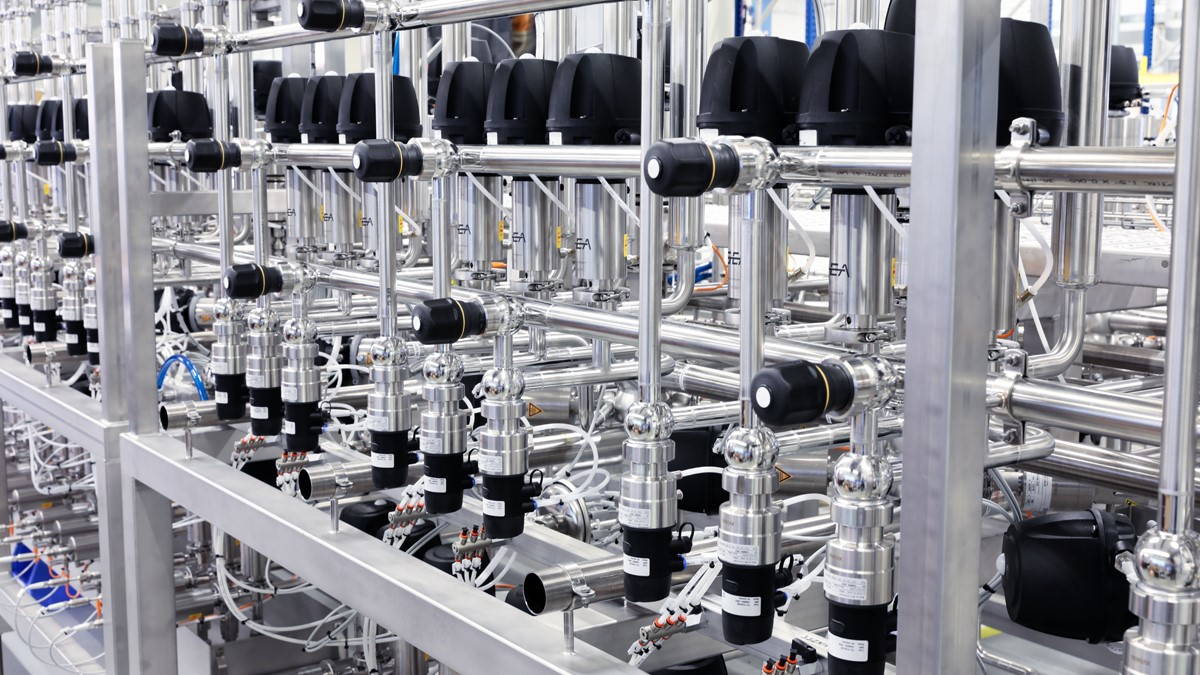
Aseptik Sıvı İşleme için Vanalar & Bileşenler
Aseptic valves face exceptionally high demands within UltraClean and Aseptic processes. You can be assured that they all provide highest quality in terms of hygienic design and sustainability.
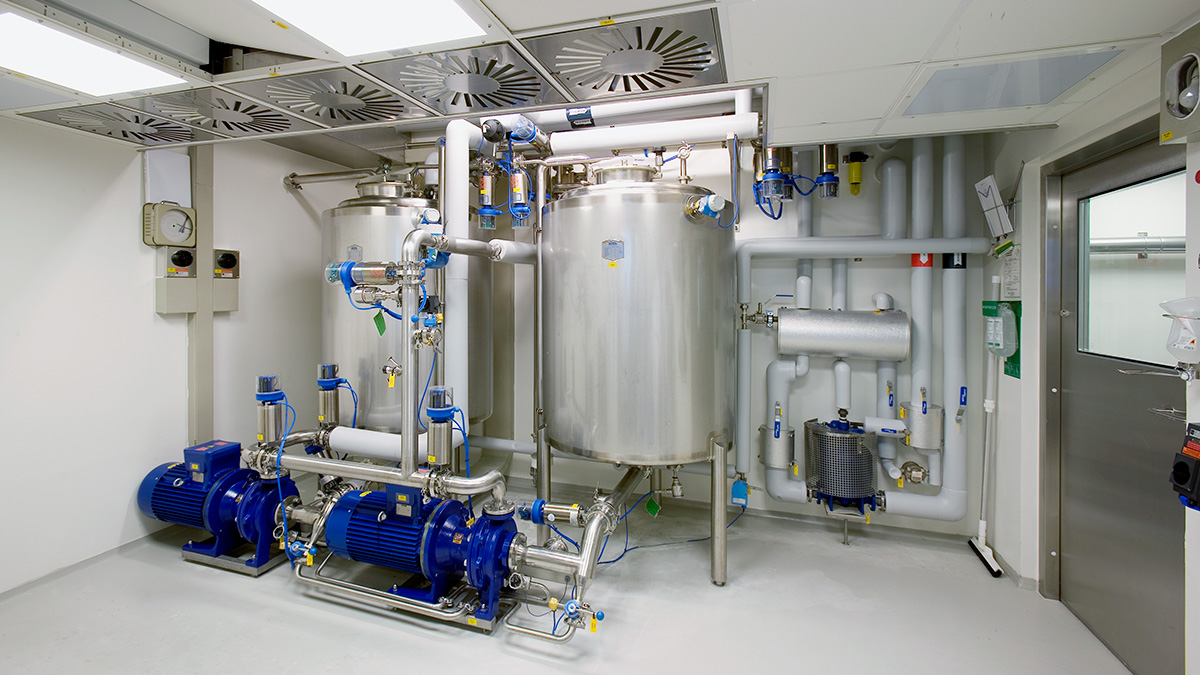
CIP (Yerinde Temizlik)/SIP (Yerinde Sterilizasyon) Çözümleri
GEA'nın yenilikçi CIP konseptleri, kapsamlı yüksek standartları karşılamaktadır. Uzmanlarımız, prosesin her noktasında ürün güvenliğini garanti etmektedir. Her bir iyileştirme işlemi, yerel şartlara ve müşteri gerekliliklerine adapte edilir ve farkedilebilir tasarruflar sağlar.

Endüstriyel Homojenizatörler
GEA Endüstriyel homojenizatörleri, iki temel elemanla yapılmış makinelerdir: ürünün yüksek basınçta pompalanmasını sağlayan bir sıkıştırma bloku ve dağılan partikülleri ürün karakteristiklerine ve istenilen sonuçlara göre sırasıyla mikrometre ve nanometre boyutuna mikronlaştıran bir homojenizasyon vanası.
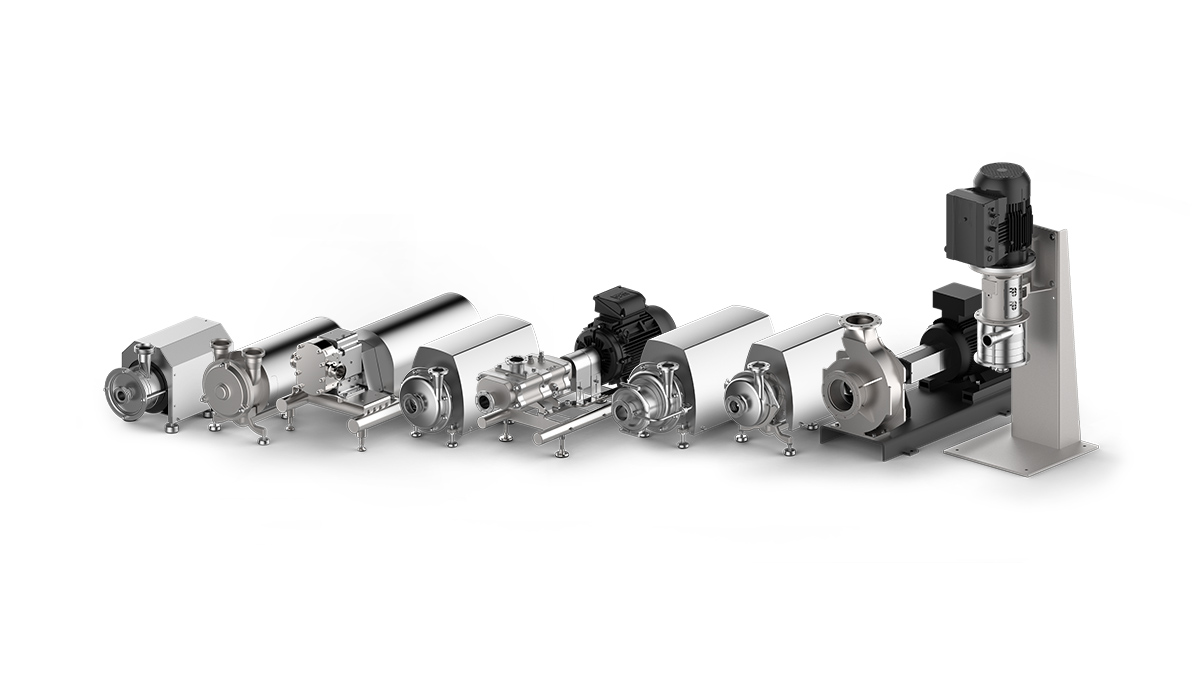
GEA Hijyenik Pompaları
GEA Hilge, içecek, gıda ve ilaç endüstrilerinde çok çeşitli hassas uygulamalar için çok yönlü santrifüjlü ve pozitif deplasmanlı pompalar sunmaktadır.
Downloads
GEA İçgörüleri
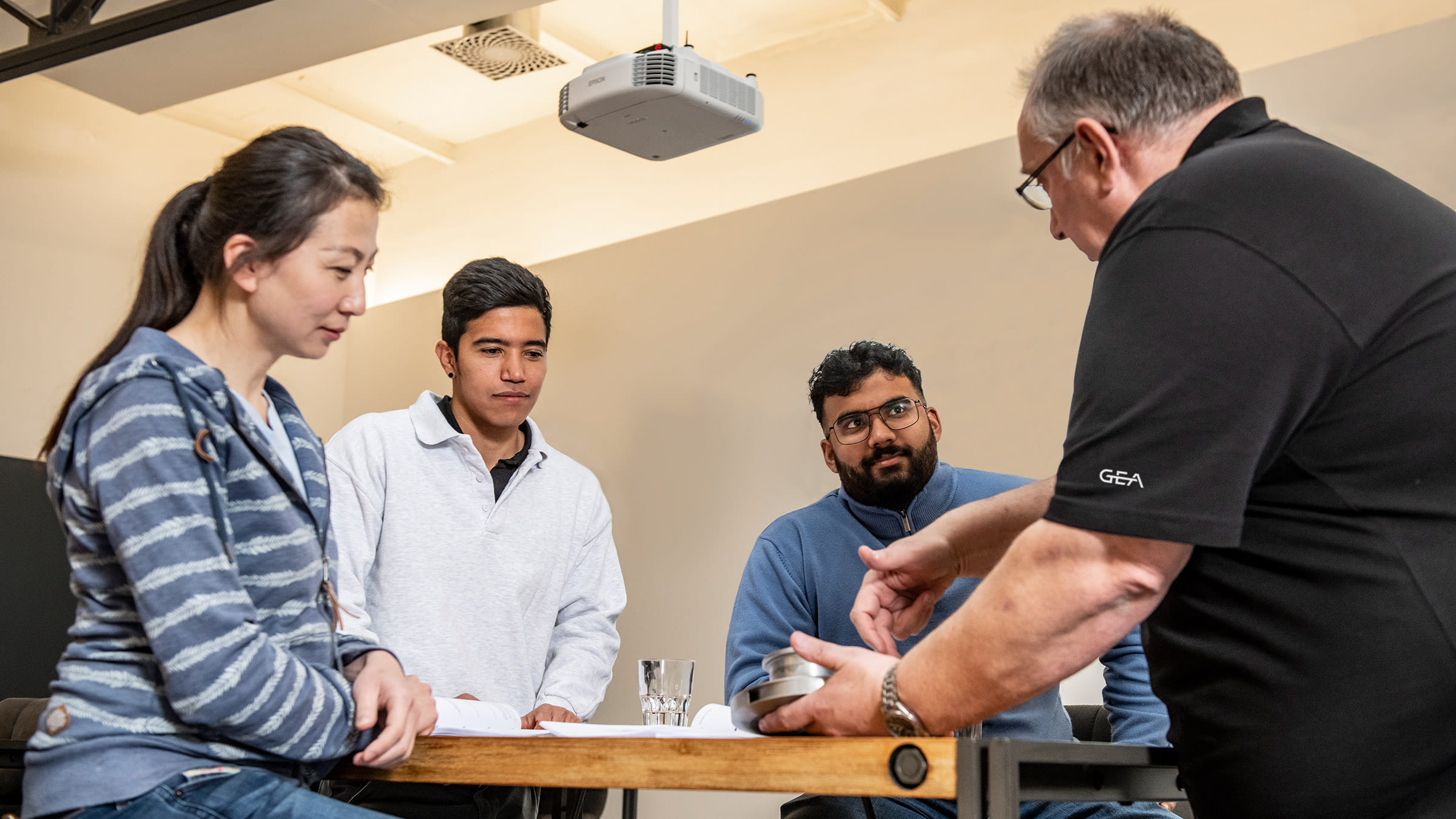
All pharmaceutical freeze-drying vials are the same! Aren't they?
Whether it’s a fad or the future, 100% vial traceability is becoming an increasingly important consideration in the pharmaceutical freeze drying industry. Keeping a close eye on developments is GEA. We’re investigating possible solutions and, what’s more, we have the experience, expertise and know-how to implement them.

Alkolsüz bira: Her şeyi istiyorlar - daha azını istiyorlar
'Alkolsüz bira' ve 'güzel tat' ifadelerinin özellikle tüketiciler tarafından nadiren aynı cümlede kullanıldığı zamanlar vardı. Ancak düşük dereceli ve alkolsüz biralar uzun bir yol katetti - büyük bir çoğunluğu GEA'nın küçümsenemeyecek teknolojisi sayesinde artık kendi sınıflarında ferahlatıcı bir içecek haline geldi.

Innovating patient care with aseptic spray drying
At GEA, our commitment to engineering for a better world fuels our pursuit of innovative solutions that enhance patient care and safety. One of our most promising ventures in recent years is aseptic spray drying – a technology that promises to revolutionize pharmaceutical manufacturing.
