
Liquid Dosage
Bacteria Cultures
A fermentation starter or starter culture is a preparation that’s used to kick-start the fermentation process in a number of diverse industries, from food & renewables to biotechnology and pharmaceutical.
In the pharmaceutical industry, bacteria are used to produce antibiotics, vaccines and medically useful enzymes. The biotechnology industry uses bacterial cells for the production of biological substances that are useful to human existence, including fuels, foods, medicines, hormones, enzymes, proteins and nucleic acids, resulting in the development of human hormones such as insulin, enzymes such as streptokinase, and human proteins such as interferon and tumor necrosis factor. These products are used for the treatment of a various medical conditions and diseases, including diabetes, heart attack, tuberculosis, AIDS and SLE (lupus).
Cultivation, Processing, Harvesting
Starter cultures are derived from undefined, empirically produced species to attain an end-product with predictable and reproducible quality and quantity characteristics. The production of starter cultures can be divided into two sections.
After fermentation, the bacteria must be processed and separated from the fermentation solution, comprising the cultured micro-organisms and the remainder of the nutrient solution. First, the bacteria are separated from the liquid phase and concentrated: nozzle and self-cleaning steam-sterilizable disc separators are available for this step of the process.
The concentrated culture is then transferred to a freeze dryer (lyophilizer) and dried. Finally, the cultures are packaged under airtight conditions and stored at low temperatures.
Aseptic Processing
The careful treatment of the active culture, sterility and high separation efficiencies are prerequisites for the economical, reliable and efficient processing of bacterial starter cultures. As such, separators from GEA are equipped with hydrohermetic product feed systems that minimize the shear forces experienced when the product enters the bowl, which maintains the viability of the cells.
Produtos e Tecnologias
Mostrando 4 de 11
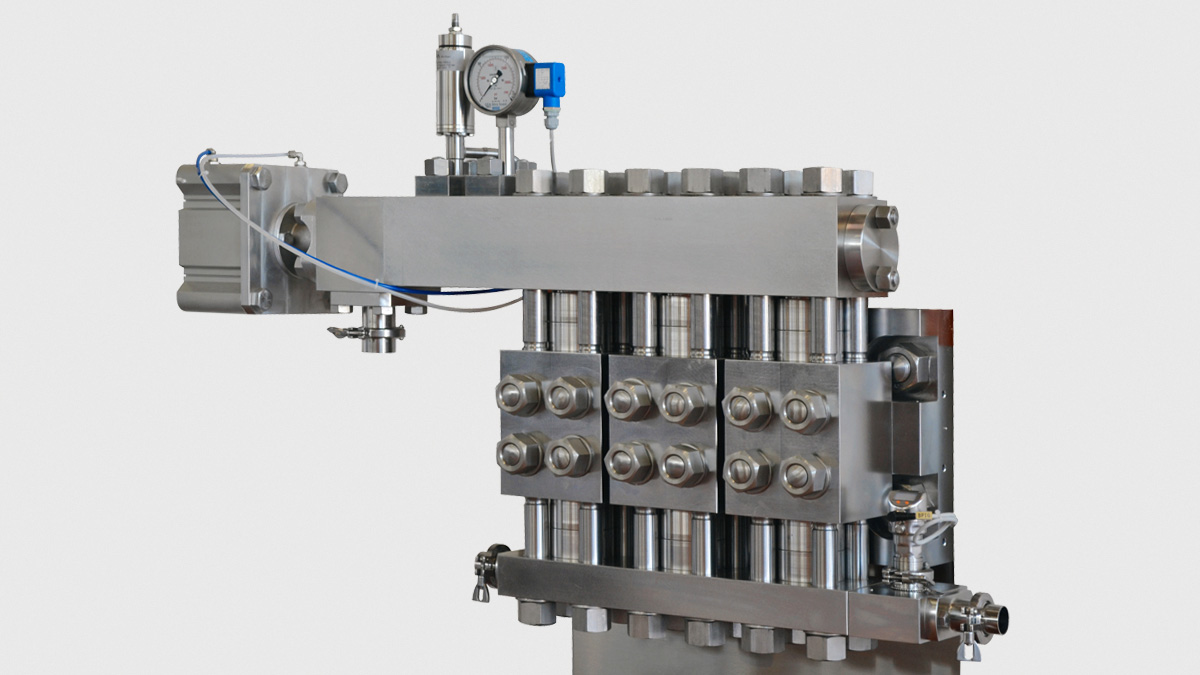
Bloco de compressão homogeneizador
As cabeças de compressão da GEA são o centro pulsante do homogeneizador, pois podem ativar o processo de homogeneização, bombeando o produto em alta pressão até que ele flua dentro da válvula de homogeneização.

Homogeneizadores industriais
Os homogeneizadores industriais da GEA são máquinas formadas por dois elementos essenciais: um bloco de compressão, que permite bombear o produto em alta pressão e uma válvula de homogeneização, capazes de micronizar as partículas dispersas para a ordem de micrômetros e nanômetros, dependendo das características do produto e dos resultados deseja...
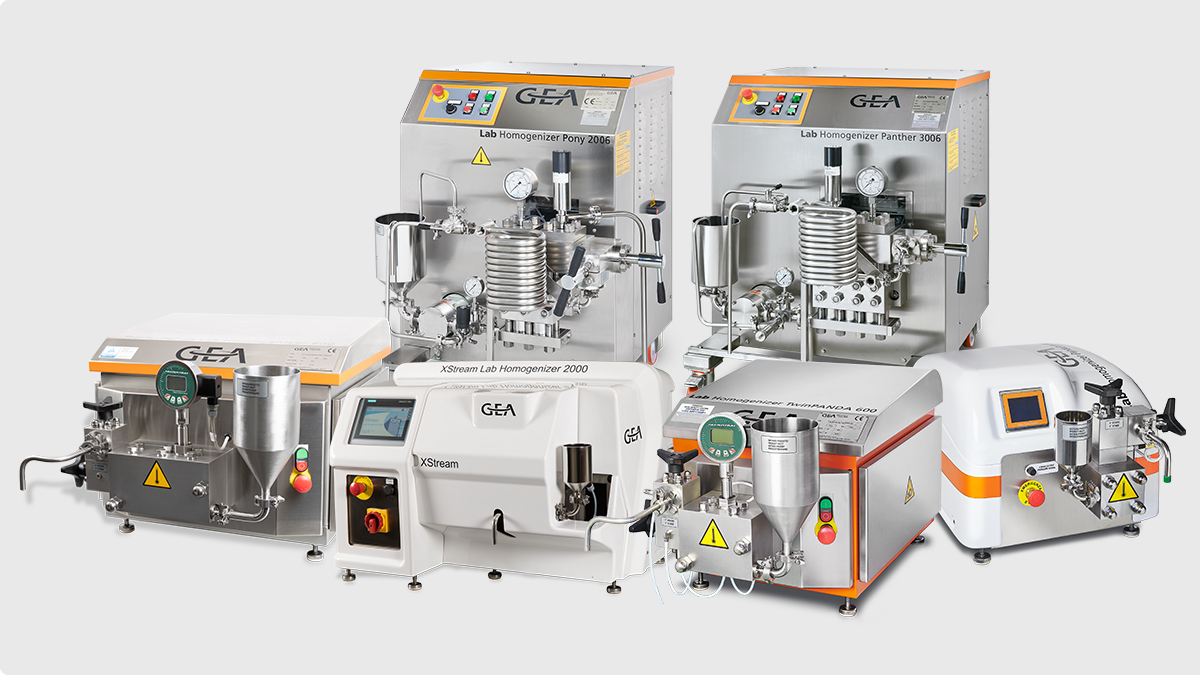
Homogeneizadores laboratoriais
Os homogeneizadores de laboratório da GEA, pequenos e compactos, permitem testar os efeitos da homogeneização no produto e avaliar quais são os melhores parâmetros de processo.

Homogeneizadores montados sobre plataformas
Já por algum tempo a GEA estabelece o padrão para as unidades do homogenizador de alta pressão (VHP) para aplicações farmacêuticas e de biotecnologia. Nosso objetivo de fornecimento vai de máquinas de bancada de laboratório a projeto in-house e fabricação em escala piloto e sistemas integrados para produção de ruptura celular e aplicações de red...
Downloads
Insights da GEA

All pharmaceutical freeze-drying vials are the same! Aren't they?
Whether it’s a fad or the future, 100% vial traceability is becoming an increasingly important consideration in the pharmaceutical freeze drying industry. Keeping a close eye on developments is GEA. We’re investigating possible solutions and, what’s more, we have the experience, expertise and know-how to implement them.

Cerveja sem álcool: Eles querem tudo - eles querem menos
Houve um tempo em que as frases "cerveja sem álcool" e "bom sabor" raramente eram usadas juntas na mesma frase, particularmente pelos consumidores. Mas as cervejas sem álcool e de baixo teor de álcool percorreram um longo caminho - muitas delas agora são bebidas refrescantes por direito próprio - graças, em grande parte, à tecnologia da GEA.

Innovating patient care with aseptic spray drying
At GEA, our commitment to engineering for a better world fuels our pursuit of innovative solutions that enhance patient care and safety. One of our most promising ventures in recent years is aseptic spray drying – a technology that promises to revolutionize pharmaceutical manufacturing.

