
Industrial effluents
Oil refineries
Substantial volumes of waste water are produced in oil and gas industry refineries, whether from cleaning or refining processes, or as a waste product from crude oil dewatering. These waste waters can be contaminated with high levels of oil and chemicals, but as an alternative to cost-intensive disposal, GEA provides sophisticated, robust and reliable decanters that can treat these waste streams in an environmentally friendly and efficient way.
Reducing disposal costs and recovering oil residues
Waste water from refining processes is frequently collected in lagoons or waste water ponds. The viscosity of the waste in these ponds can vary considerably dependent upon the water, oil and solid content. GEA decanters represent an ideal technology for treating waste water. The decanters reliably separate oil and fine sediments from the waste water, enabling the recovery of valuable oil residues, which also increases profitability. Reduced volumes of waste water means lower disposal costs, and our decanters adapt automatically to fluctuating feed conditions, so can achieve optimal results, even when the solids concentration of the waste water changes.
High performance separators for clean water
Downstream of decanter treatment, GEA’s high-performance separators can be applied to treat the aqueous phase that is still contaminated with oil. Our separators ensure that a residual oil content of less than 15 ppm is achieved in the aqueous phase, to meet regulatory environmental requirements.
Products & Technologies
Showing 4 of 6
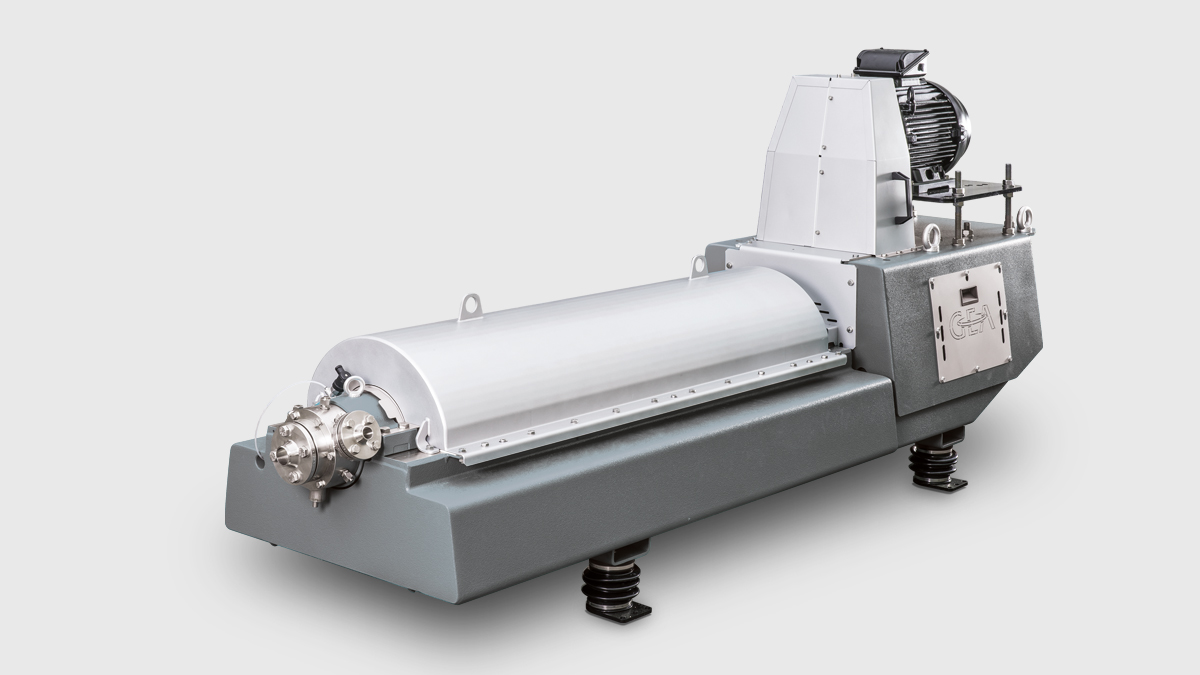
Decanter Centrifuge
The decanter’s hour has come as soon as the solids content in the suspension to be processed is particularly high. These machines provide the benefits of high clarifying efficiency and maximum dewatering as well as the separation of liquids with the simultaneous removal of solids. The main requirements in this respect include a high bowl speed, a...
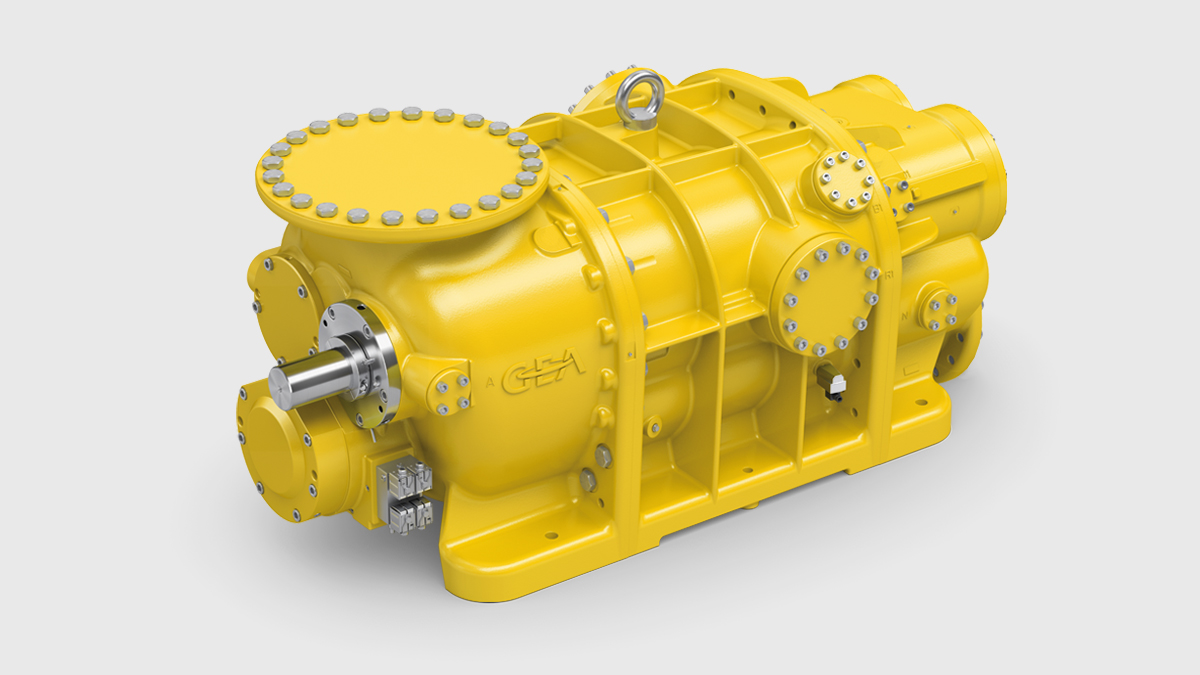
Gas compressors
GEA gas compressors are key system components in oil & gas extraction and processing operations, in power generation plants with gas turbines, in chemical processing and in numerous other industries.
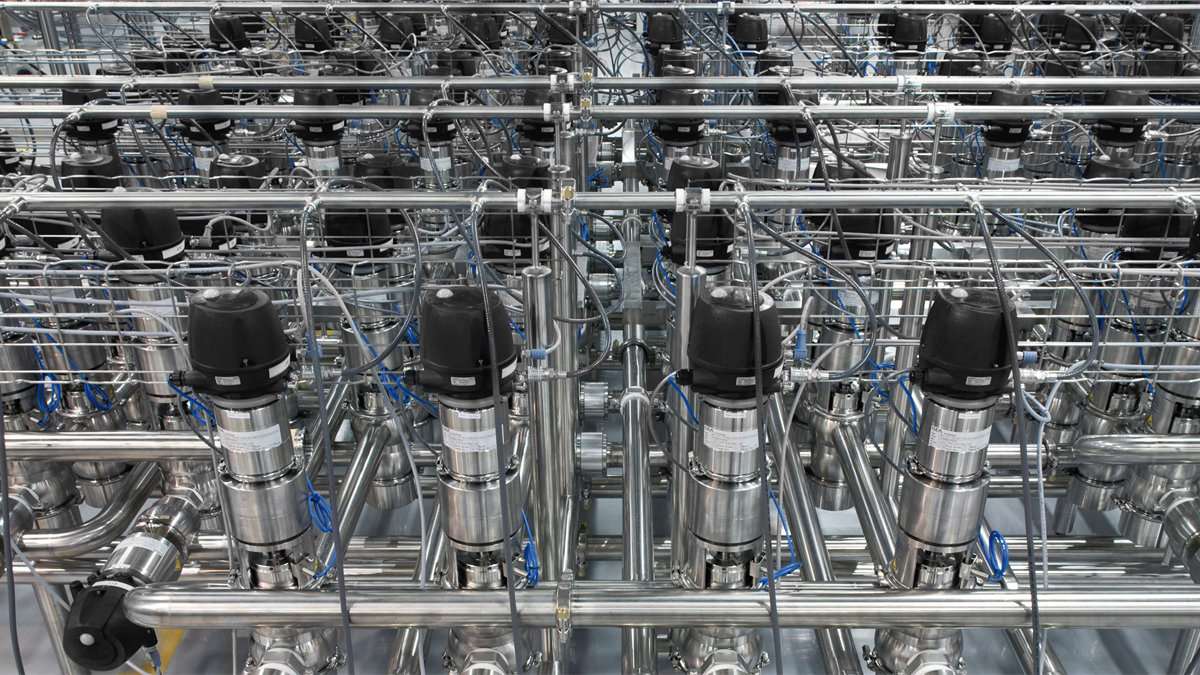
Hygienic valves & components
Hygienic valves from GEA form the core component of matrix-piped process plants. Thanks to a pioneering valve concept that sets standards for its flexibility, as well as the latest control and automation functions, our valves offer manufacturers maximum product safety and process reliability. All GEA hygienic valves are designed to be efficient a...
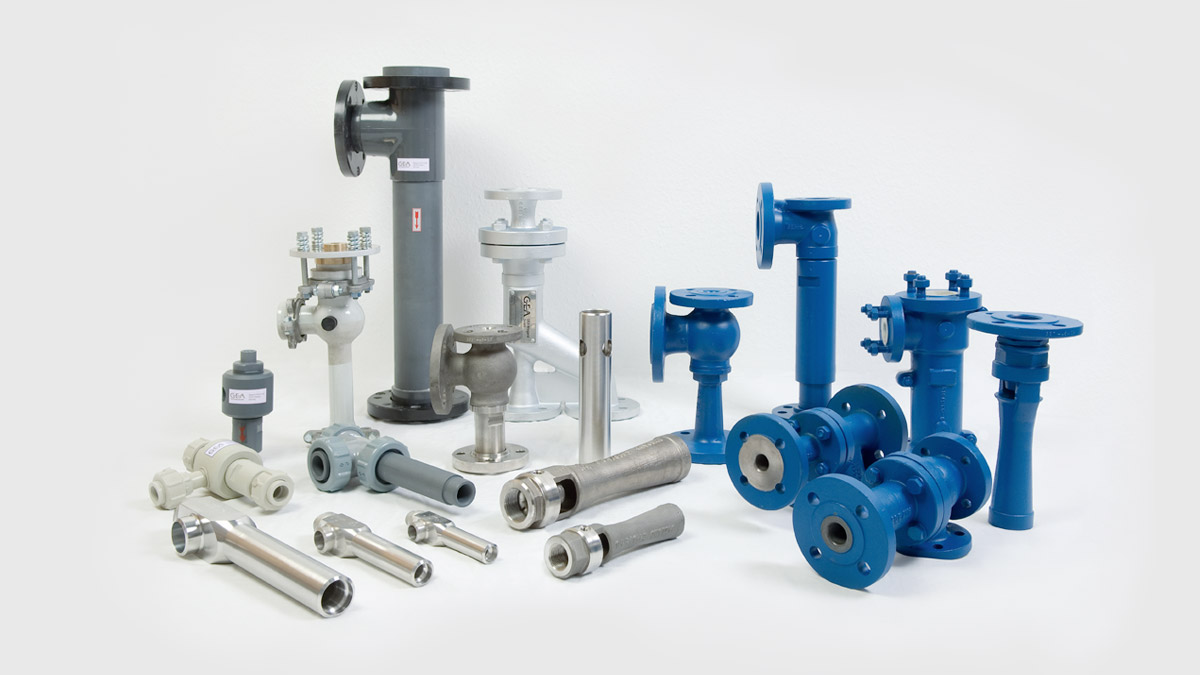
Jet pumps
Jet pumps, also referred to as ejectors, are devices for the conveyance, compression or mixing of gases, vapors, liquids or solids and for the production of vacuum in which a gaseous or liquid medium serves as the motive force.


Downloads
GEA Insights India

All pharmaceutical freeze-drying vials are the same! Aren't they?
Whether it’s a fad or the future, 100% vial traceability is becoming an increasingly important consideration in the pharmaceutical freeze drying industry. Keeping a close eye on developments is GEA. We’re investigating possible solutions and, what’s more, we have the experience, expertise and know-how to implement them.

Alcohol-free beer: They want it all – they want less
There was a time when the phrases ‘non-alcoholic beer’ and ‘tastes good’ were seldom used together in the same sentence, particularly by consumers. But low-proof and alcohol-free beers have come a long way – many of them now refreshing drinks in their own right – thanks in no small part to technology from GEA.

Innovating patient care with aseptic spray drying
At GEA, our commitment to engineering for a better world fuels our pursuit of innovative solutions that enhance patient care and safety. One of our most promising ventures in recent years is aseptic spray drying – a technology that promises to revolutionize pharmaceutical manufacturing.

