
Industrial effluents
Tanneries
Tanneries belong to industrial sectors with the highest levels of water consumption. To make good quality leather from one ton of raw material, experience has shown that up to 60 m³ of water are required. The volume of waste water, which contains high levels of alkaline and organic substances, is, of course, correspondingly high. Direct discharge or treatment in municipal waste water clarification plants is therefore not possible. For corresponding waste water treatment in tanneries, GEA decanter centrifuges are used which optimally prepare a subsequent biological treatment.
High volume of waste water
In leather production water is not only needed for transportation in the production process but also for various tasks such as unhairing or soaking the hides. As a result of the specific production methods, the waste water not only has high alkaline levels (pH value 10), but is also contaminated with chemicals such as sulfite and chrome, and has a high level of organic substances. Biochemical processing of the waste water is a standard operation in many installations and GEA decanters lay a significant role.
Forwarding the waste water to municipal waste water treatment plants
After the waste water has been collected from the tanning process and polymer has been added, the decanters continuously separate all organic solids such as hair from the thickened sludge. The separated solids can be composted and find application, for example, in horticulture or forestry. The liquid phase is then subjected to biological treatment. The resultant sludge is recycled into the dewatering process; the waste water can be sent safely to conventional municipal waste water treatment plants. The advantages of decanters provide optimum dewatering capacity and use very little rinsing water. The closed system prevents aerosols from escaping; such aerosols would otherwise pose a hazard for humans and the environment.
Products & Technologies
Showing 3 of 3
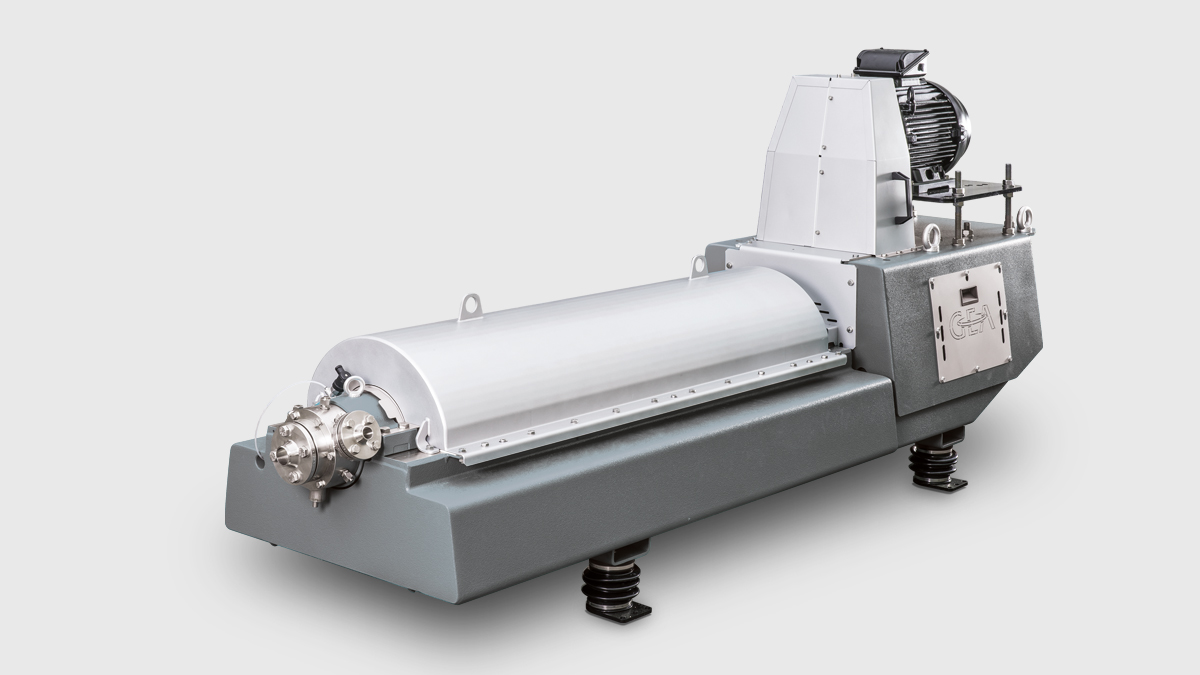
Decanter Centrifuge
The decanter’s hour has come as soon as the solids content in the suspension to be processed is particularly high. These machines provide the benefits of high clarifying efficiency and maximum dewatering as well as the separation of liquids with the simultaneous removal of solids. The main requirements in this respect include a high bowl speed, a...
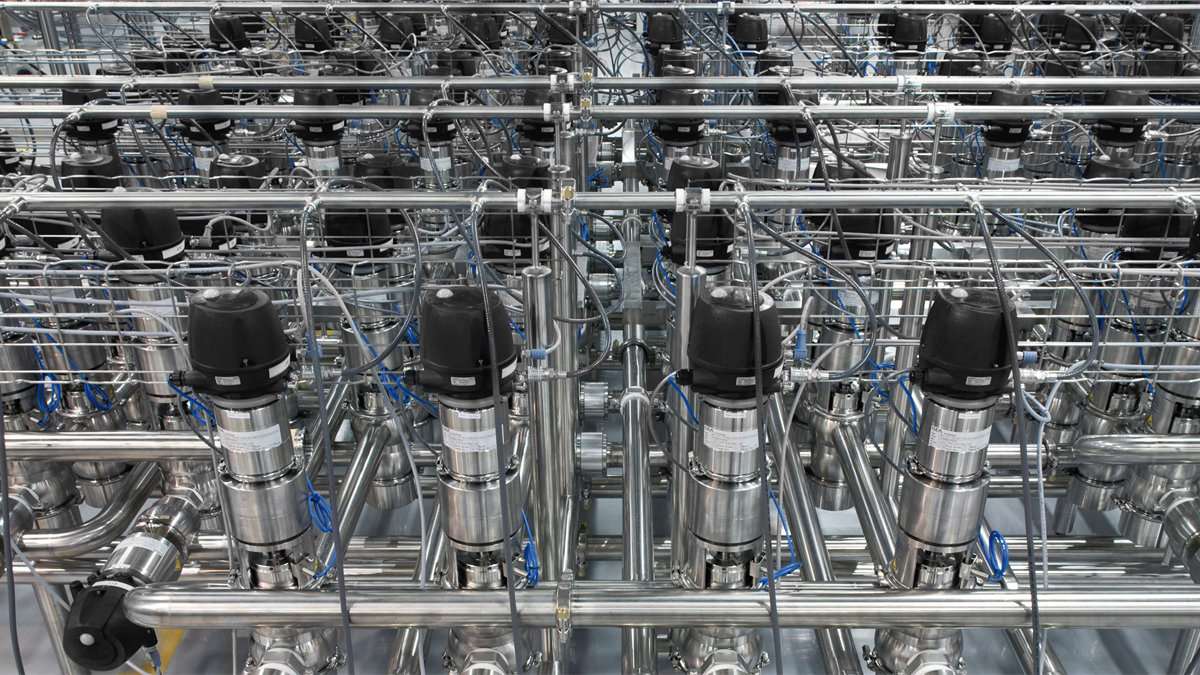
Hygienic valves & components
Hygienic valves from GEA form the core component of matrix-piped process plants. Thanks to a pioneering valve concept that sets standards for its flexibility, as well as the latest control and automation functions, our valves offer manufacturers maximum product safety and process reliability. All GEA hygienic valves are designed to be efficient a...
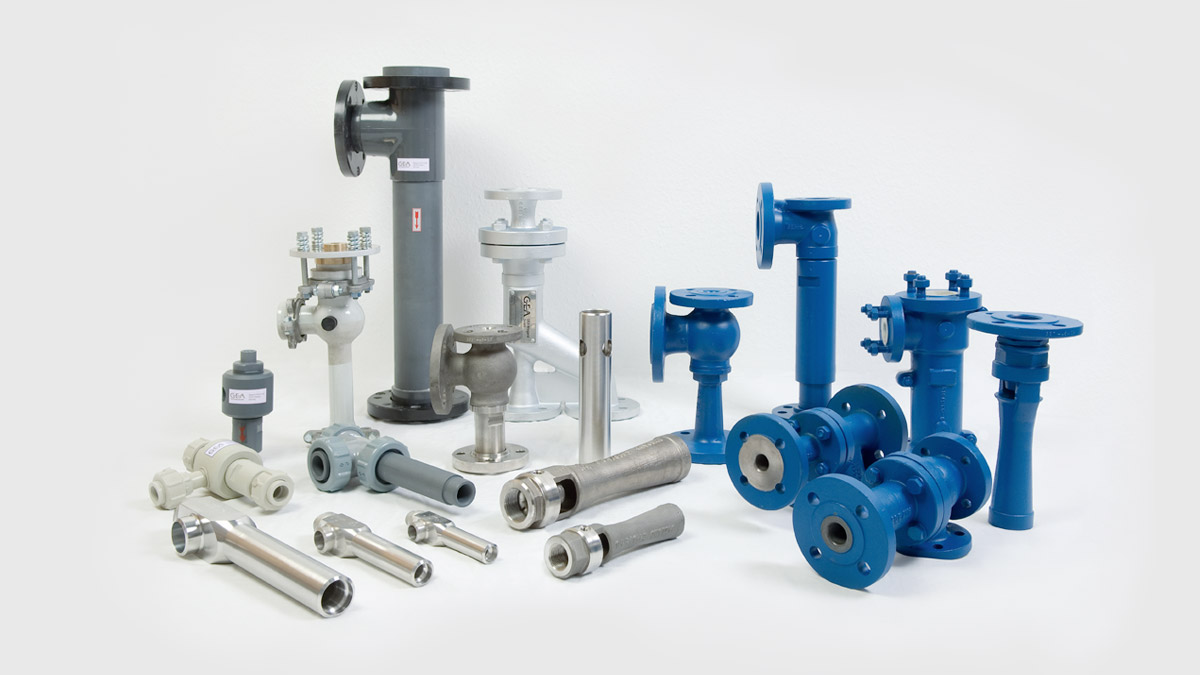
Jet pumps
Jet pumps, also referred to as ejectors, are devices for the conveyance, compression or mixing of gases, vapors, liquids or solids and for the production of vacuum in which a gaseous or liquid medium serves as the motive force.


Downloads
GEA Insights India
All pharmaceutical freeze-drying vials are the same! Aren't they?
Whether it’s a fad or the future, 100% vial traceability is becoming an increasingly important consideration in the pharmaceutical freeze drying industry. Keeping a close eye on developments is GEA. We’re investigating possible solutions and, what’s more, we have the experience, expertise and know-how to implement them.

Alcohol-free beer: They want it all – they want less
There was a time when the phrases ‘non-alcoholic beer’ and ‘tastes good’ were seldom used together in the same sentence, particularly by consumers. But low-proof and alcohol-free beers have come a long way – many of them now refreshing drinks in their own right – thanks in no small part to technology from GEA.

Innovating patient care with aseptic spray drying
At GEA, our commitment to engineering for a better world fuels our pursuit of innovative solutions that enhance patient care and safety. One of our most promising ventures in recent years is aseptic spray drying – a technology that promises to revolutionize pharmaceutical manufacturing.

