
Industrial effluents
Paint shops
Paint is applied in many areas of industry, for a wide range of reasons: not just for better visual appearance; protection against corrosion and improved surface qualities are also very important. Waste water does not usually occur during the manufacture of paint as the systems are closed to water. However, waste water may occur in peripheral processes, for instance in the cleaning of packaging materials, mixing tanks and dyestuff preparation tanks.
Considerable reduction of disposal costs
Paint sludge contains dispersed acrylate and vinyl resins, dissolved cellulose derivatives, together with residues of pigments and filling agents, solvents, traces of acids or lyes from pH-value adjustment as well as residues of preserving agents. GEA decanters demonstrate their performance and efficiency in the treatment of this sludge.
The use of decanters can considerably reduce disposal costs. The sludge obtained in paint shops is stored in a storage facility and then pumped into the decanter. The solids discharge is disposed of or recycled; the clarified phase is recycled back into the process reducing the costs of waste water disposal and the use of fresh water. Today, environmentally-friendly, water-based paints are used specifically in the aviation and automotive industries, and in many other areas of industry. GEA decanters separate paint residues from the water and ensure that it can be reused.
Products & Technologies
Showing 3 of 3
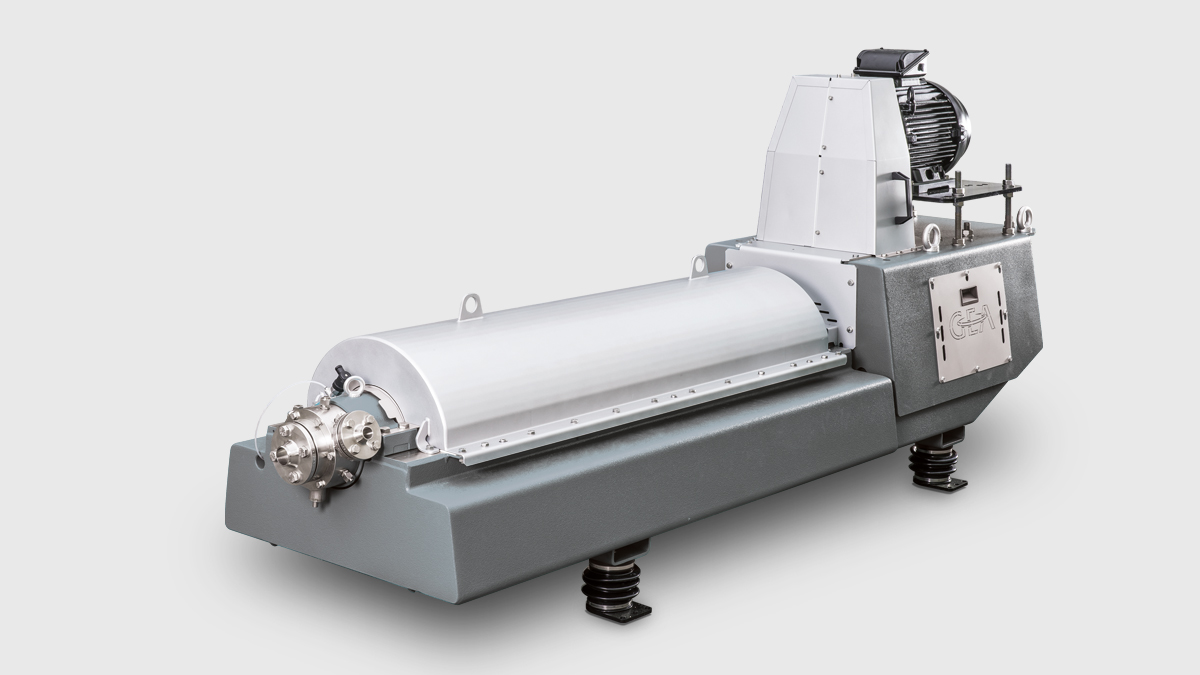
Decanter Centrifuge
The decanter’s hour has come as soon as the solids content in the suspension to be processed is particularly high. These machines provide the benefits of high clarifying efficiency and maximum dewatering as well as the separation of liquids with the simultaneous removal of solids. The main requirements in this respect include a high bowl speed, a...
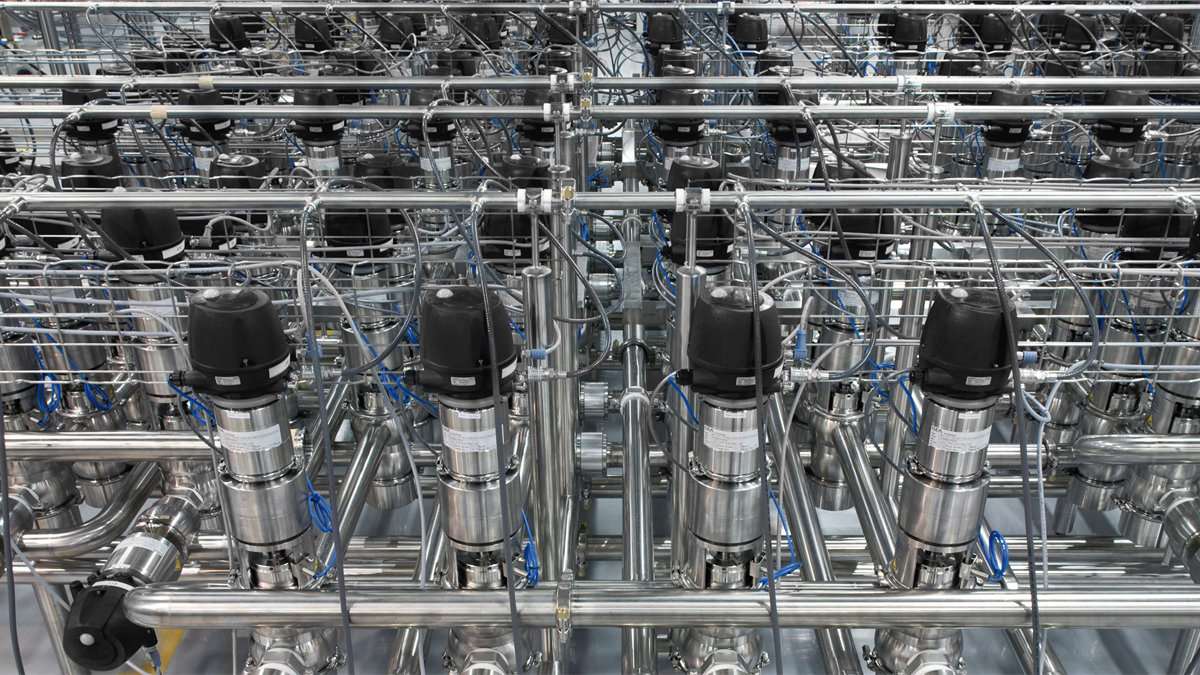
Hygienic valves & components
Hygienic valves from GEA form the core component of matrix-piped process plants. Thanks to a pioneering valve concept that sets standards for its flexibility, as well as the latest control and automation functions, our valves offer manufacturers maximum product safety and process reliability. All GEA hygienic valves are designed to be efficient a...
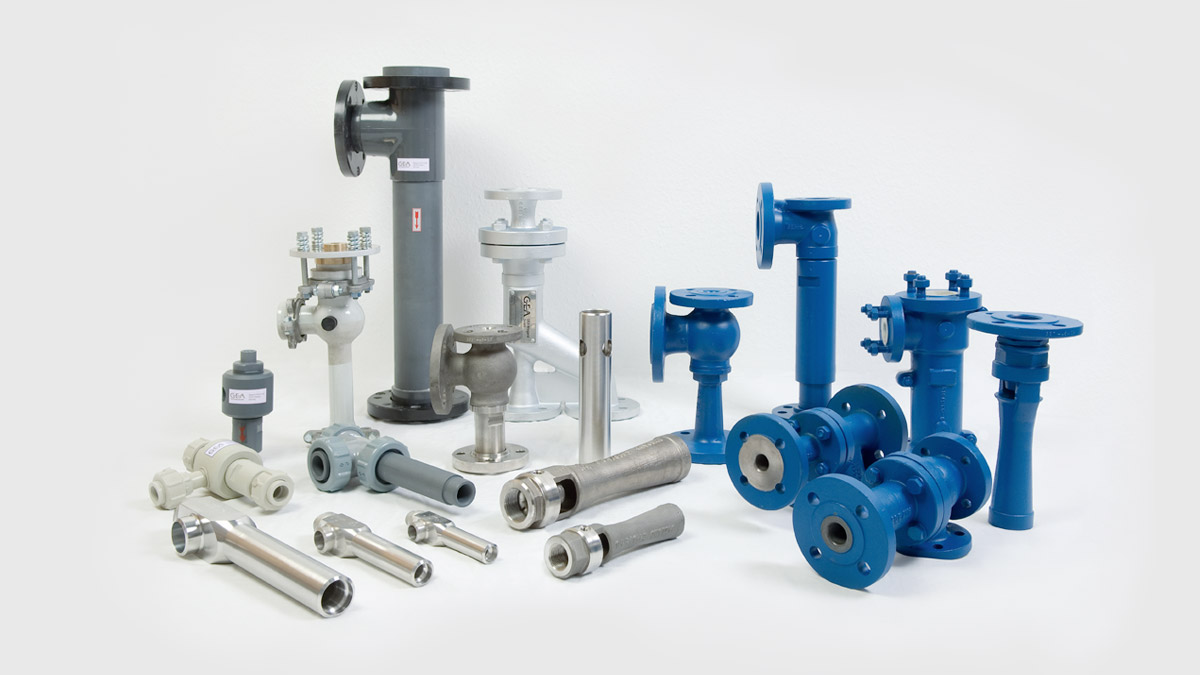
Jet pumps
Jet pumps, also referred to as ejectors, are devices for the conveyance, compression or mixing of gases, vapors, liquids or solids and for the production of vacuum in which a gaseous or liquid medium serves as the motive force.


Downloads
GEA Insights India

All pharmaceutical freeze-drying vials are the same! Aren't they?
Whether it’s a fad or the future, 100% vial traceability is becoming an increasingly important consideration in the pharmaceutical freeze drying industry. Keeping a close eye on developments is GEA. We’re investigating possible solutions and, what’s more, we have the experience, expertise and know-how to implement them.

Alcohol-free beer: They want it all – they want less
There was a time when the phrases ‘non-alcoholic beer’ and ‘tastes good’ were seldom used together in the same sentence, particularly by consumers. But low-proof and alcohol-free beers have come a long way – many of them now refreshing drinks in their own right – thanks in no small part to technology from GEA.

Innovating patient care with aseptic spray drying
At GEA, our commitment to engineering for a better world fuels our pursuit of innovative solutions that enhance patient care and safety. One of our most promising ventures in recent years is aseptic spray drying – a technology that promises to revolutionize pharmaceutical manufacturing.

