
Industrial effluents
Paper industry
The paper-making process is one of the most water-intensive industrial production processes. This is because, without the physical properties of water, it would not be possible for a consistent structure to be achieved when the constituents of paper are processed in sludge. A high level of water consumption is inevitable in the processing of natural raw materials (wood, cellulose, vegetable fibers) and also in the process of recycling waste paper. This creates a high level of waste water for processing. The residues in the waste water are a problem particularly in the case of de-inking: the process of recycling printed waste paper.
Reducing costs and minimizing pollutants with decanters from GEA
This demonstrates the tremendous advantages of a GEA decanter, both in terms of competitive advantages by way of reducing costs in the paper industry and also for environmental protection by minimizing pollutants.
In addition to the above-mentioned constituents, further chemical substances are also added depending on the desired paper quality – for instance whiteners, inks or dust-inhibiting agents – which have to be removed from the waste water at the end of the production process.
Chemical substances can be reused
During pre-clarification and post-clarification, primary, secondary and flotation sludges are produced which are dewatered individually or together by the decanter. Because of the high dry substance, the storage and disposal costs are reduced, the volume of fresh water is minimized, and expensive chemical substances can be reused on several occasions – a factor which likewise has a positive impact on the economic balance. The dewatered sludge can either be dumped, dried or incinerated.
GEA further supplies equipment like jet and vacuum pumps for conveying liquids such as water or sludge and solids like fibers in the paper industry.
Products & Technologies
Showing 4 of 5
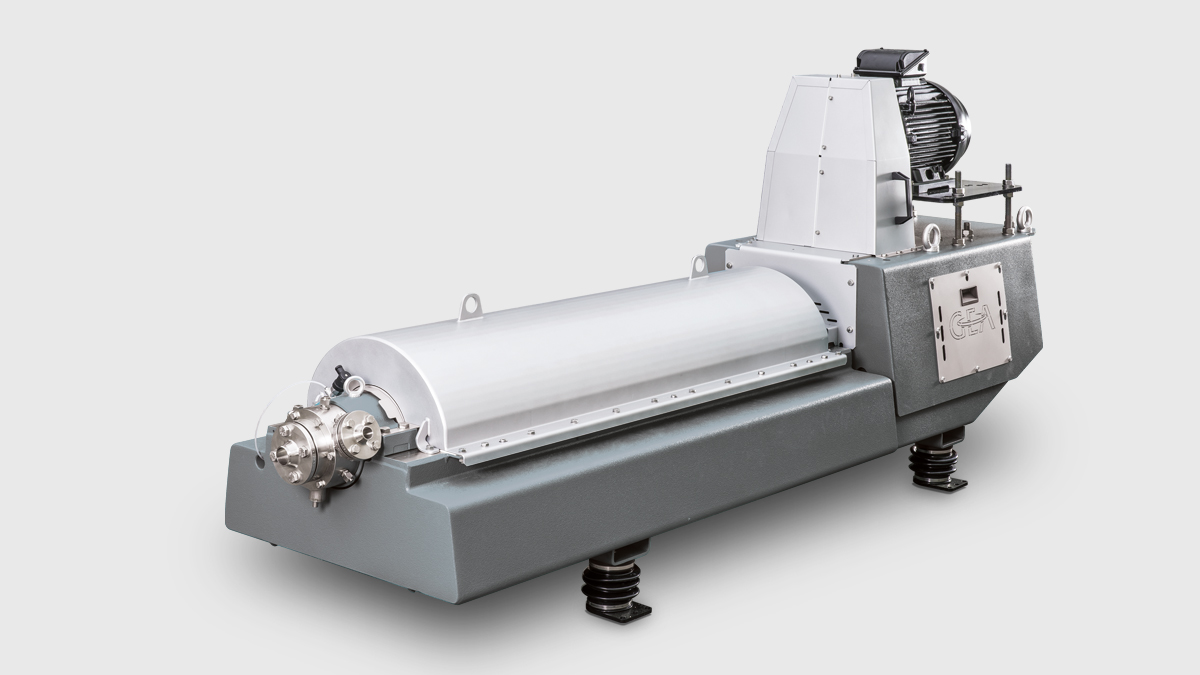
Decanter Centrifuge
The decanter’s hour has come as soon as the solids content in the suspension to be processed is particularly high. These machines provide the benefits of high clarifying efficiency and maximum dewatering as well as the separation of liquids with the simultaneous removal of solids. The main requirements in this respect include a high bowl speed, a...
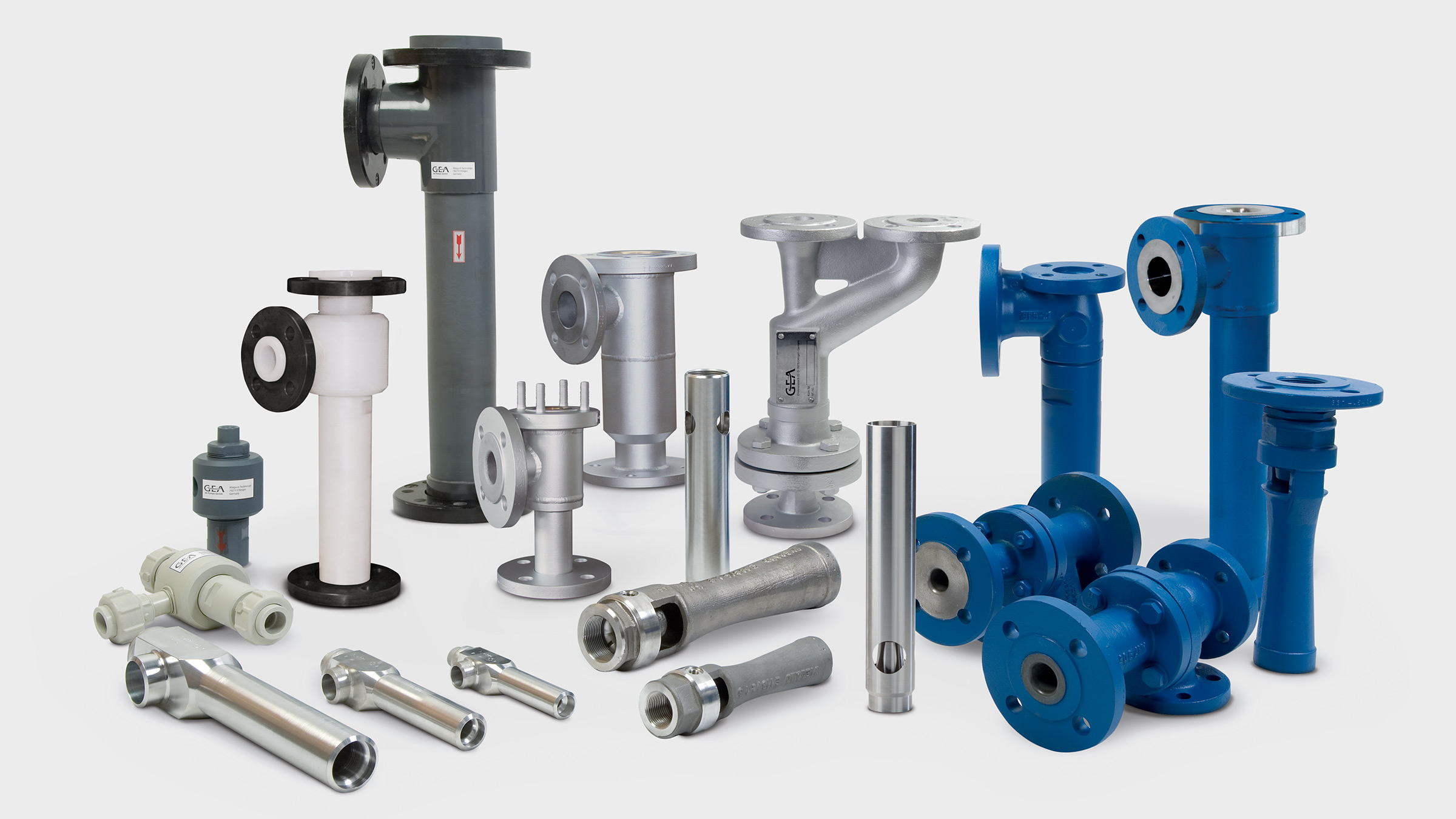
Ejector Systems
Ejectors, are devices for the conveyance, compression or mixing of gases, vapors, liquids or solids in which a gaseous or liquid medium serves as the motive force. They are "pumps without moving parts".
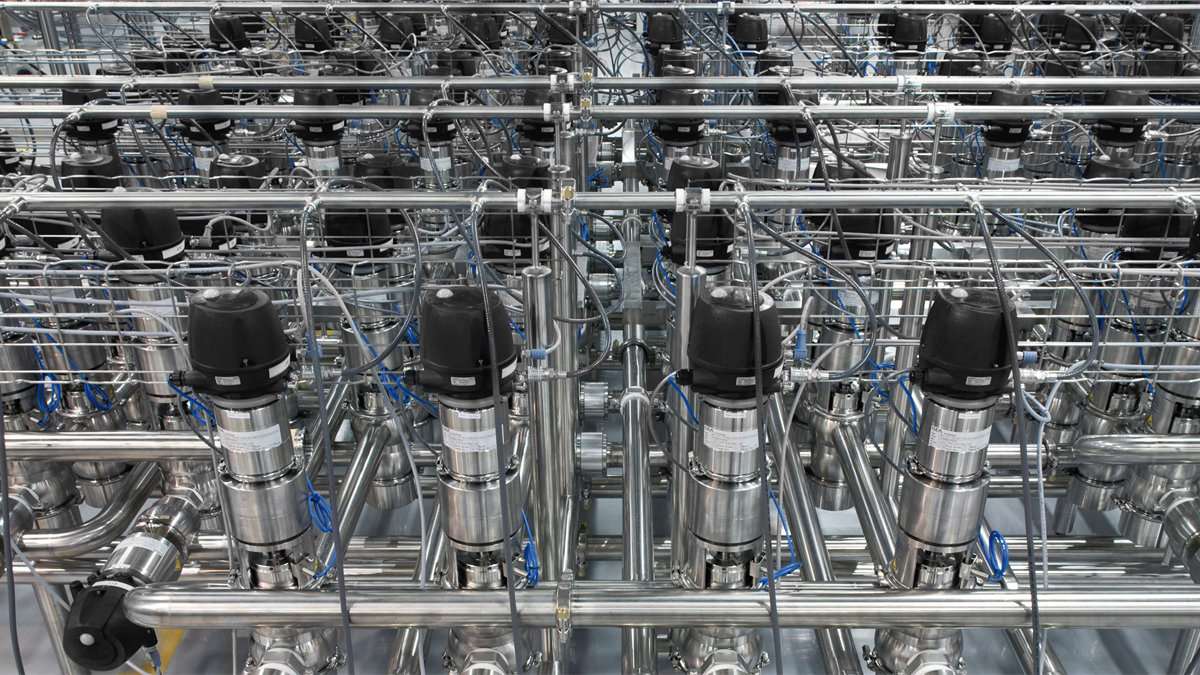
Hygienic valves & components
Hygienic valves from GEA form the core component of matrix-piped process plants. Thanks to a pioneering valve concept that sets standards for its flexibility, as well as the latest control and automation functions, our valves offer manufacturers maximum product safety and process reliability. All GEA hygienic valves are designed to be efficient a...
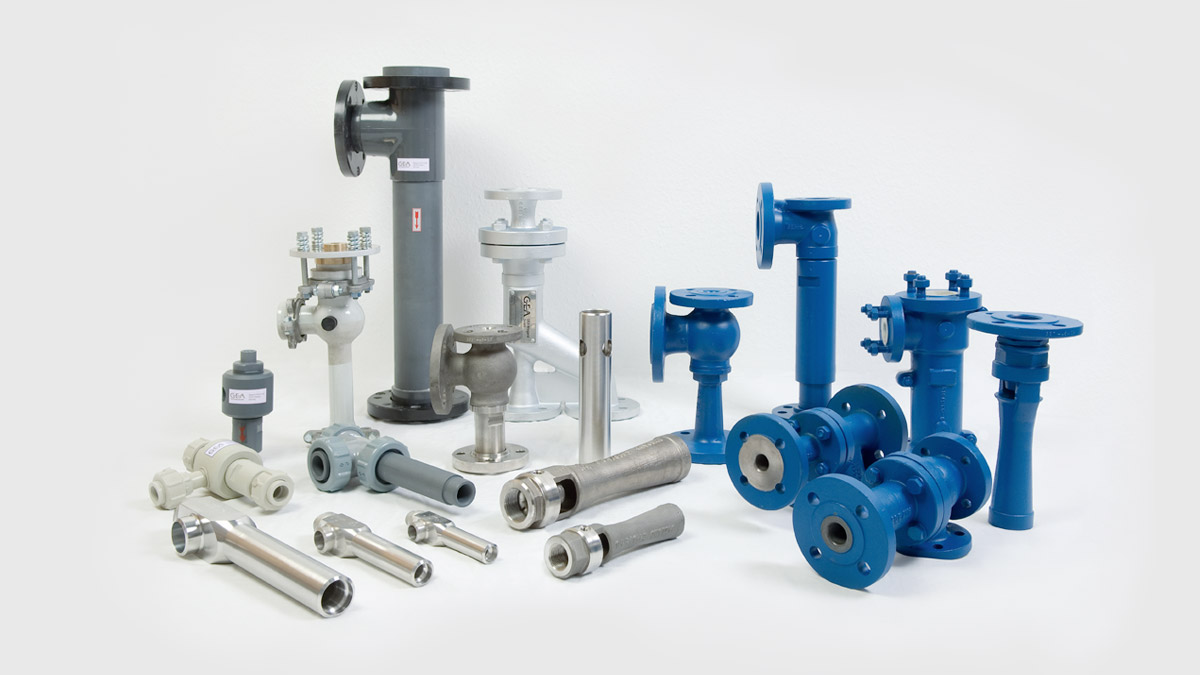
Jet pumps
Jet pumps, also referred to as ejectors, are devices for the conveyance, compression or mixing of gases, vapors, liquids or solids and for the production of vacuum in which a gaseous or liquid medium serves as the motive force.


Downloads
GEA Insights India

All pharmaceutical freeze-drying vials are the same! Aren't they?
Whether it’s a fad or the future, 100% vial traceability is becoming an increasingly important consideration in the pharmaceutical freeze drying industry. Keeping a close eye on developments is GEA. We’re investigating possible solutions and, what’s more, we have the experience, expertise and know-how to implement them.

Alcohol-free beer: They want it all – they want less
There was a time when the phrases ‘non-alcoholic beer’ and ‘tastes good’ were seldom used together in the same sentence, particularly by consumers. But low-proof and alcohol-free beers have come a long way – many of them now refreshing drinks in their own right – thanks in no small part to technology from GEA.

Innovating patient care with aseptic spray drying
At GEA, our commitment to engineering for a better world fuels our pursuit of innovative solutions that enhance patient care and safety. One of our most promising ventures in recent years is aseptic spray drying – a technology that promises to revolutionize pharmaceutical manufacturing.

