
Aguas arriba
Agua de vertido
El agua de vertido se produce en plataformas de gas y petróleo marinas cuando se limpian la cubierta y los tubos de perforación; es un agua contaminada con hidrocarburos, productos químicos y residuos. En las cubiertas de perforación, este agua de vertido también contiene sustancias erosivas, como sales muy corrosivas, lodos de perforación con productos químicos en suspensión y en solución, barro que contiene agua, agua salada, agua de lluvia y agua de formación, además de arena, sólidos flotantes, piedras y partículas grandes.

Ventajas de nuestros separadores centrífugos
-
Reduzca el contenido de aceite residual a un máximo de 15 ppm
- Oil-in water measuring device, monitoring the aqueous phase for purity levels
- On-site treatment of slop water
- Avoidance of traditional transport costs
- Cost-effective solution
Meeting IMO regulations
Across various processes in the oil and gas industry, including the treatment of water, strict adherence to environmental regulations is crucial. To meet the standards set by the International Maritime Organization (IMO), GEA offers specialized high-performance, self-cleaning centrifugal separators and clarifying decanter centrifuges. The goal is to efficiently reduce the oil content to levels below the legally specified limits, often set at 15 ppm or 5 ppm in some regions.
Continuous and reliable operation, along with cost-effective features such as reduced disposal costs and low energy consumption, makes GEA's solutions suitable for both offshore and onshore applications. The emphasis on compliance, efficiency and cost-effectiveness is a common thread in addressing the challenges posed by oil-contaminated water in the oil and gas industry.
Monitoring purity levels
To guarantee adherence to prescribed limits, we employ a specialized oil-in-water measuring device. This device monitors the aqueous phase, ensuring the de-oiled water meets environmental requirements. If oil levels exceed the set standard, the liquid is recirculated to the slop water tank and only released when it meets the necessary purity criteria.
On-site treatment for cost efficiency
All these various possible compositions make an overboard discharge of slop water inadmissible due to existing environmental regulations, so that they have to be treated before discharge. GEA's approach allows for on-site slop water treatment, eliminating the need for costly transportation to shore for processing and disposal. By efficiently treating slop water at its source, our solution not only ensures compliance with regulations but also minimizes the environmental impact and reduces operational costs.
Productos y tecnologías
Mostrar 2 de 2
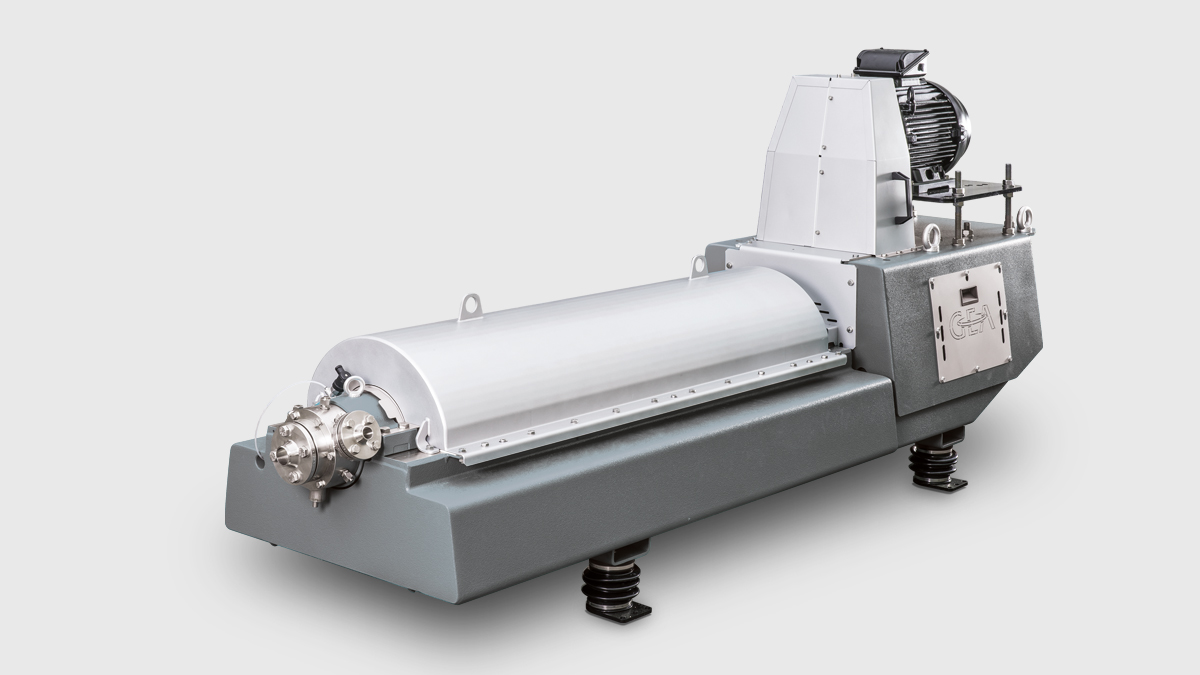
Centrífuga decantadora
El decantador entra en acción en cuanto el contenido de sólidos en la suspensión que debe procesarse es especialmente alto. Estas máquinas ofrecen una alta eficiencia de aclarado y una máxima deshidratación, además de separar líquidos con la extracción simultánea de sólidos. Los principales requisitos, en este sentido, son una alta velocidad del ...
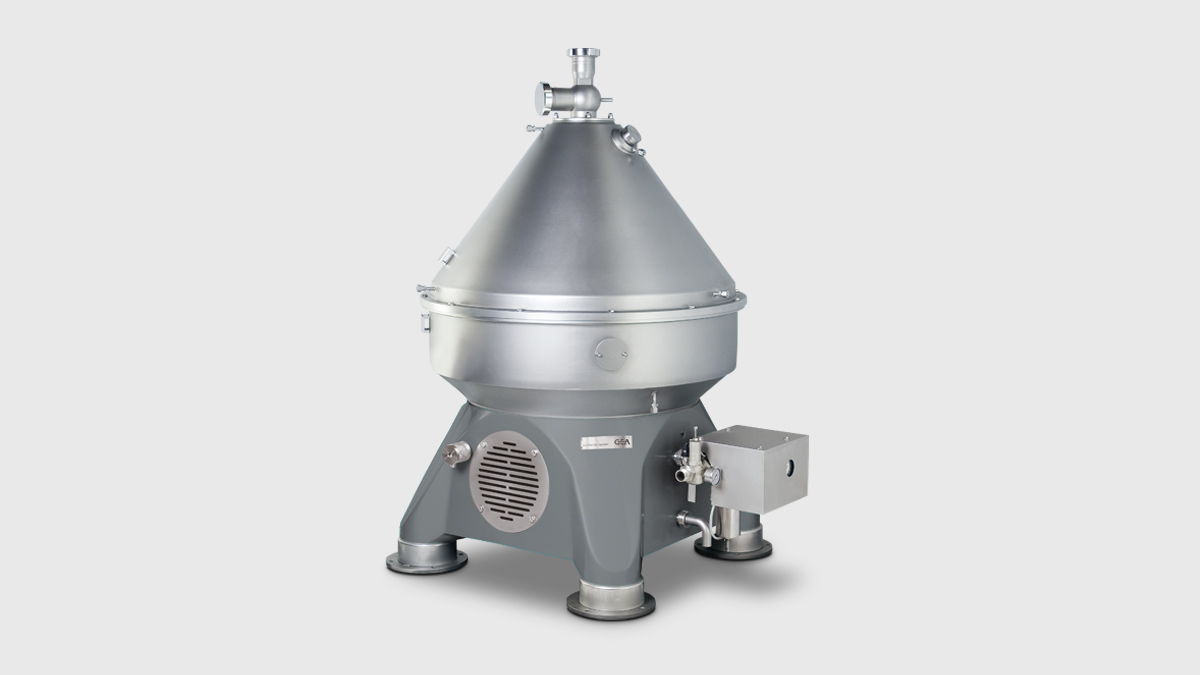
Separador centrífugo
Los separadores de GEA están diseñados para aplicaciones a base de líquidos. Utilizan fuerza centrífuga y se emplean para separar suspensiones que consisten de dos o más fases de distinta densidad; por ejemplo, pueden separar líquido-líquido, líquido-líquido-sólido o líquido-sólido. También son eficaces para separar mezclas líquidas a la vez que ...


Downloads
GEA Insights

All pharmaceutical freeze-drying vials are the same! Aren't they?
Whether it’s a fad or the future, 100% vial traceability is becoming an increasingly important consideration in the pharmaceutical freeze drying industry. Keeping a close eye on developments is GEA. We’re investigating possible solutions and, what’s more, we have the experience, expertise and know-how to implement them.

Cerveza sin alcohol: Lo quieren todo pero quieren menos
Hubo un tiempo en que nunca se mencionaban juntas la ‘cerveza sin alcohol’ y las ‘comidas sabrosas’, particularmente por los propios consumidores. Pero las cervezas de baja graduación alcohólica y sin alcohol han recorrido un largo camino —ahora muchas de ellas son refrescos de pleno derecho— gracias en última instancia a la tecnología de GEA.

Innovating patient care with aseptic spray drying
At GEA, our commitment to engineering for a better world fuels our pursuit of innovative solutions that enhance patient care and safety. One of our most promising ventures in recent years is aseptic spray drying – a technology that promises to revolutionize pharmaceutical manufacturing.

