
Liquid Dosage
Antibiotics
Antibiotics, compounds or substances that combat bacterial infections and kill or slow down their growth, comprise one of the most important groups of drugs in the fight against infectious diseases. Representing around 13% of total pharmaceutical consumption, they have the highest market share of any pharmaceutical product.
In liquid-based applications, the pharmaceutical industry extracts antibiotics from fermentation broths. GEA supports this process with special decanters that facilitate the process, offering efficient direct extraction solutions that are also environmentally friendly.
The Extraction Process
Extraction essentially consists of two combined processes: mixing and separating. GEA has developed a patented decanter that combines the two process steps in a single machine to enhance the extraction of active ingredients.
This decanter allows suspensions with a high solids content to be processed, rendering them suitable for direct antibiotic extraction from the culture solution (which often has a high mycelium content). The previously essential filtration step is no longer required, which not only makes the process continuous, it also prevents the loss of valuable material that was frequently associated with filtration.
Advantages of Direct Extraction
Offering increased total yields of up to 98% compared with conventional counter-current extraction, direct extraction is also significantly more cost-effective (no filter aids are needed). The fermentation broth itself is not diluted by filter wash water, which both reduces the solvent requirement and the risk of infection. In addition, the optimized procedure also reduces wastewater pollution and the actual volume of wastewater produced.
The GEA Solution
Driven by new product innovations, high levels of R&D investment and the pharmaceutical industry’s need to ameliorate the issue of antibiotic resistance, the antibiotic market is expected to show continued growth. From R&D-scale and standalone manufacturing equipment to completely integrated process lines that maximize operational reliability, GEA supplies a complete range of equipment and solutions for the industrial-scale production of antibiotics, antibacterials and anti-infectives.
Produits et technologies
Affichage de 4 sur 15
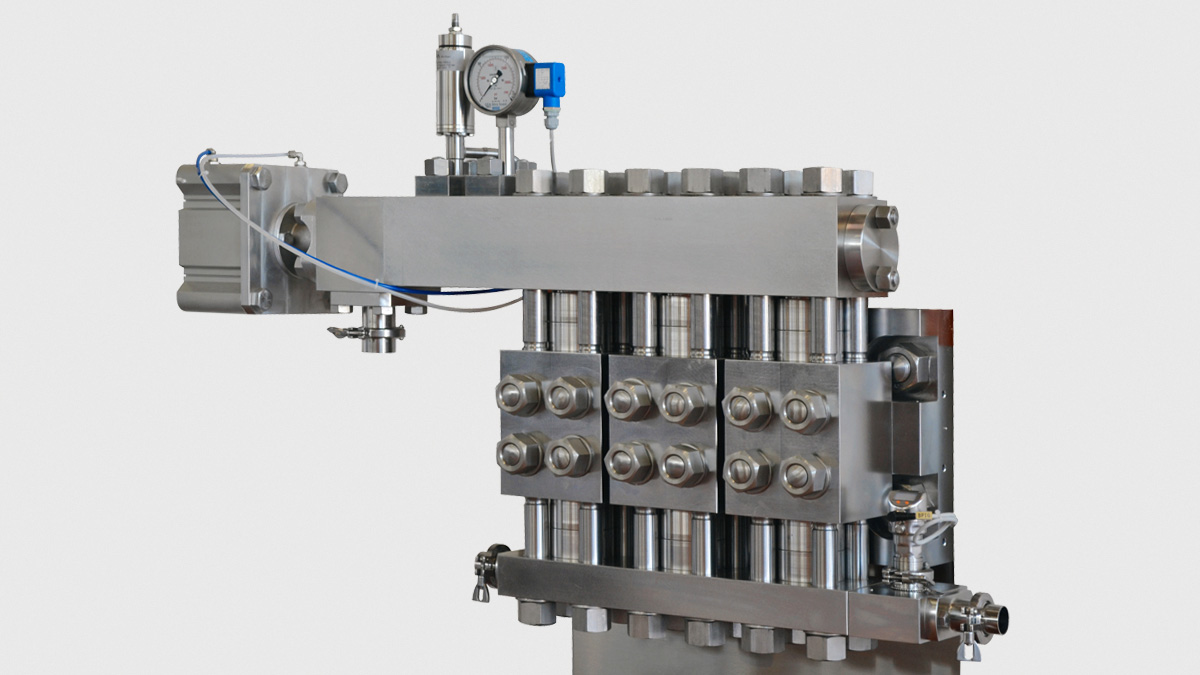
Bloc de compression pour homogénéisateur
Les têtes de compression de GEA constituent le cœur des homogénéisateurs, car elles activent le processus d'homogénéisation en pompant le produit à haute pression jusqu'à ce qu'il s'écoule dans la vanne d'homogénéisation.
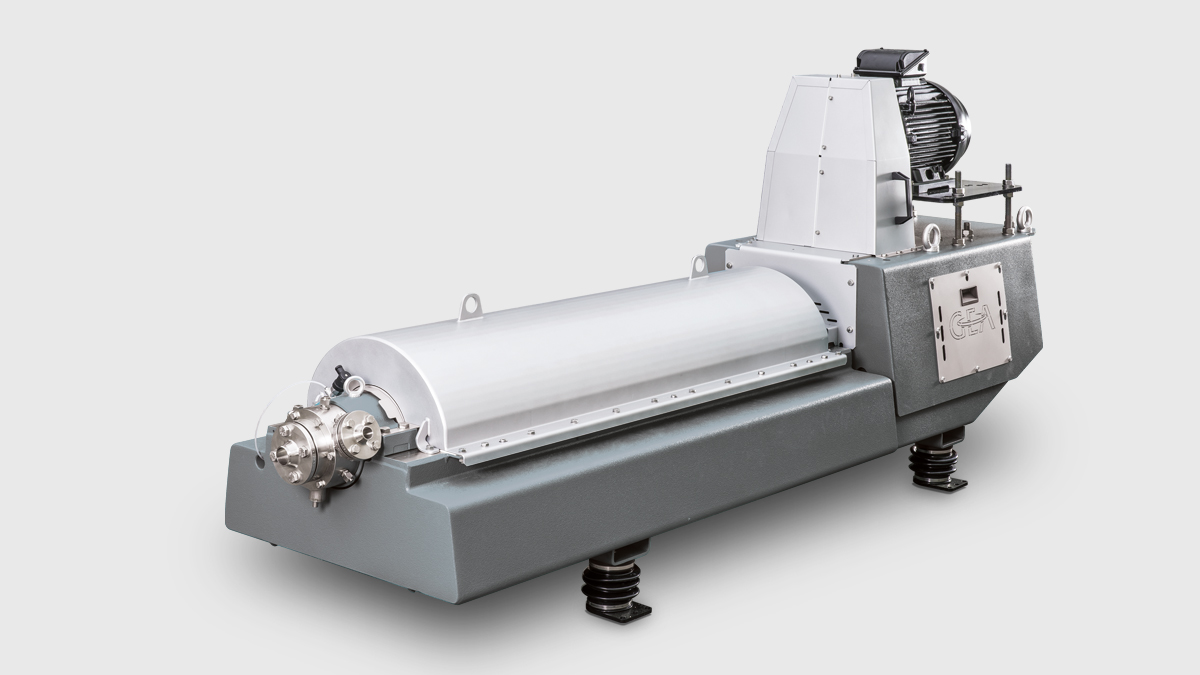
Décanteur centrifuge
Le décanteur est appelé à intervenir dès que la teneur en matières solides dans la suspension à traiter atteint un niveau particulièrement élevé. Ces machines offrent l'avantage d'un rendement de clarification élevé et d'une déshydratation optimale, et assurent en outre la séparation des liquides tout en éliminant les matières soli...
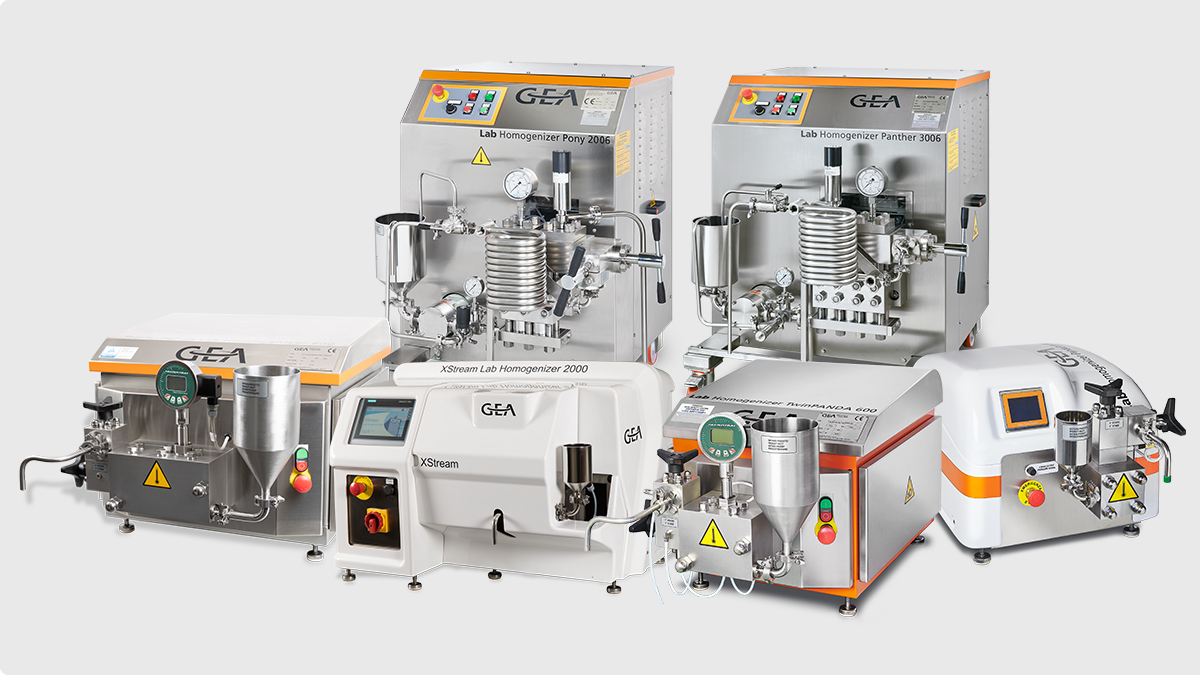
Homogénéisateurs de laboratoire
Les homogénéisateurs de laboratoire de GEA sont de petite taille et compacts. Ils permettent de tester les effets de l'homogénéisation sur le produit et d'évaluer les meilleurs paramètres de process.

Homogénéisateurs industriels
Les homogénéisateurs industriels de GEA sont constitués de deux éléments essentiels : un bloc de compression, qui permet de pomper le produit à haute pression, et une vanne d'homogénéisation qui micronise les particules dispersées de l'ordre des micromètres et des nanomètres, selon les caractéristiques du produit à obtenir et selon les résultats ...
Downloads
GEA Insights

All pharmaceutical freeze-drying vials are the same! Aren't they?
Whether it’s a fad or the future, 100% vial traceability is becoming an increasingly important consideration in the pharmaceutical freeze drying industry. Keeping a close eye on developments is GEA. We’re investigating possible solutions and, what’s more, we have the experience, expertise and know-how to implement them.

Bière sans alcool : Ils en veulent tous – avec moins
Autrefois les expressions « bière sans alcool » et « c’est bon » étaient rarement utilisées ensemble dans la même phrase, en particulier par les consommateurs. Mais depuis les bières à faible teneur en alcool et sans alcool ont fait bien du chemin et nombreuses d’entre elles ont désormais accédé au rang de boissons rafraîchissantes à part entière, et ce, en grande partie grâce à la technologie de GEA.

Innovating patient care with aseptic spray drying
At GEA, our commitment to engineering for a better world fuels our pursuit of innovative solutions that enhance patient care and safety. One of our most promising ventures in recent years is aseptic spray drying – a technology that promises to revolutionize pharmaceutical manufacturing.
