
Spirits & wine
Whisky
The world of whisky is one of subtle aromas, flavors and textures. It’s also one of tradition: whisky production was first documented as early as the 15th century. Even today, the production process is seen as a fine art, with each distillery making whisky in its own special way. It’s a key challenge for modern mashing and distillation technologies to maintain the unique characteristics that this brings out.
Depth and character in the glass

Whisky spirits always begin with cereal, water and yeast. During production, a variety of different factors, from the raw materials to the mashing, wort extraction, fermentation and distillation, influence the process and give the product its characteristic flavors and aromas. Precise process conditions are therefore essential to achieve the consistent quality that is vital to any spirit brand.
From raw materials handling to malt conditioning, milling, mashing and fermentation to cask maturation, GEA offers the right solution for every need. This includes, for example, flow components, individually designed skids, customized plants, or fully integrated turnkey solutions. Each individual system is developed with precise customer requirements in mind to equip them with all the tools they need to ensure the specific qualities of the final product – an essential prerequisite to preserve the traditions and success of fine distillates. For this reason, GEA is in a perfect position to support customers from all over the world with our comprehensive portfolio of innovative processes relating to mashing and distillation technologies, whilst always being mindful of the traditions behind the success of iconic products.
This is just one of many examples of how GEA’s innovative, state-of-the-art technologies set new standards in spirit production. In addition, our solutions are also sustainable and can help optimize yields and energy efficiency, minimize operating costs, and reduce the carbon footprint. Specifically, this means that our systems and solutions are designed to emit fewer greenhouse gases, consume less energy and reuse waste – all while ensuring reliable, smooth and efficient production processes.

Whisky
Blending copper with steel.

Key steps for malt whisky spirit production

Barley malt and cereal grains are received in bulk and transferred to silos for storage. A sample from each batch is analyzed to determine cereal moisture and starch content. Malt cleaning and de-stoning occur prior to milling.

Barley malt is milled in conventional roller mills to produce grist. Alternatively, GEA provides wet-conditioned milling by MILLSTAR®, offering improved lautering efficiency. Milling and mashing-in can thus be combined in a single, non-ATEX dust-free and hygienic step.

Grist and water are mixed in a grist hydrator or pre-masher. The addition of a Mash Conversion Vessel increases mashing flexibility or can be added as a de-bottlenecking upgrade. Gentle mash transfer by low-shear Mono type pump is a novel feature of GEA mashing systems.

The lauter tun is the heart of the mash house, responsible for the extraction of sugary wort from the cereal mash. The system offers flexibility and is optimized to manage conversion yield, wort gravity and clarity, oxygen pick-up, cycle time and extraction efficiency.

Wort is combined with yeast in fermenter washbacks to convert sugars to alcohol containing wash. Hygienic fermenter design is enhanced with jacketed or external coolers – for attemperated fermentation control, improving alcohol yield while reducing energy and water use.

Wash is distilled in wash stills to produce high wine. This distillate is further concentrated in spirit stills to produce new make spirit. Energy savings by TVR or MVR heat pump techniques are used, while waste heat recovered from the condensers aids sustainability.

Thermal energy is recovered from the still condensers and stored as hot water in an energy recovery tank-accumulator. Heat is therefore provided as sustainable energy for mashing and sparge water preheating along with other uses like CIP and syrup evaporator heating.

Thermal energy is recovered from the still condensers and stored as hot water in an energy recovery tank-accumulator. Heat is therefore provided as sustainable energy for mashing and sparge water preheating along with other uses like CIP and syrup evaporator heating.

GEA scope includes in-line blending and mixing/carbonation.

As system integrators we bring our knowledge from process technology and plant engineering together with software products from market leaders
Products & Technologies
Showing 4 of 29
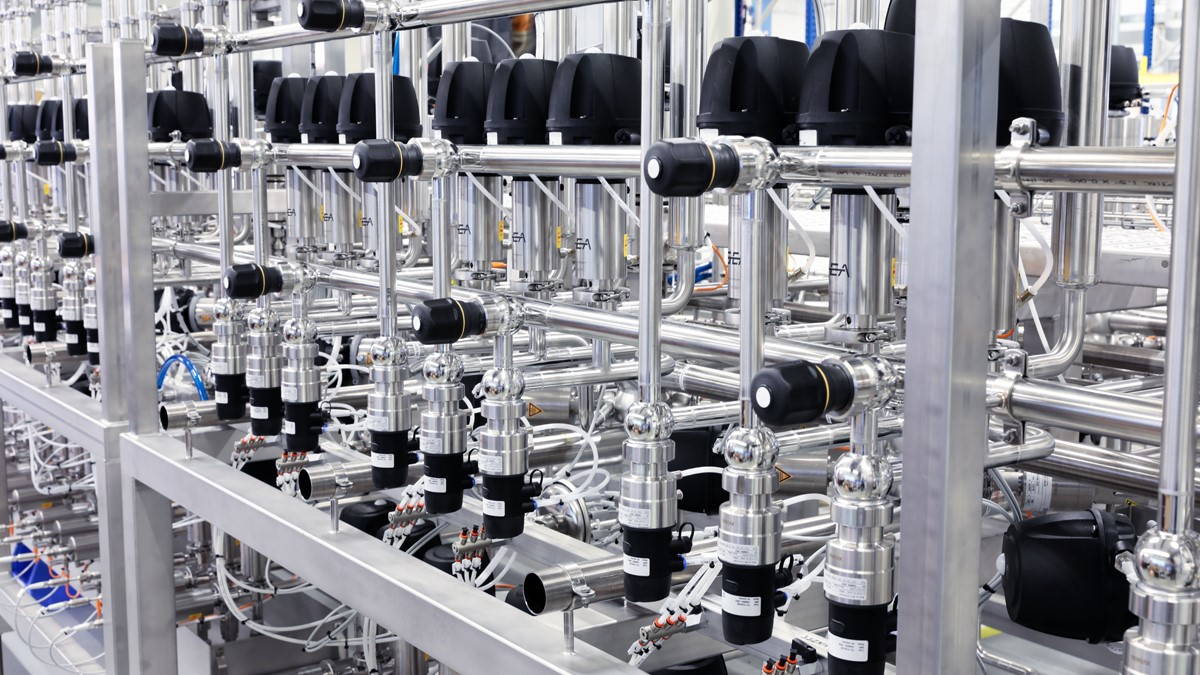
Aseptic valves & components
Aseptic valves face exceptionally high demands within UltraClean and Aseptic processes. You can be assured that they all provide highest quality in terms of hygienic design and sustainability.
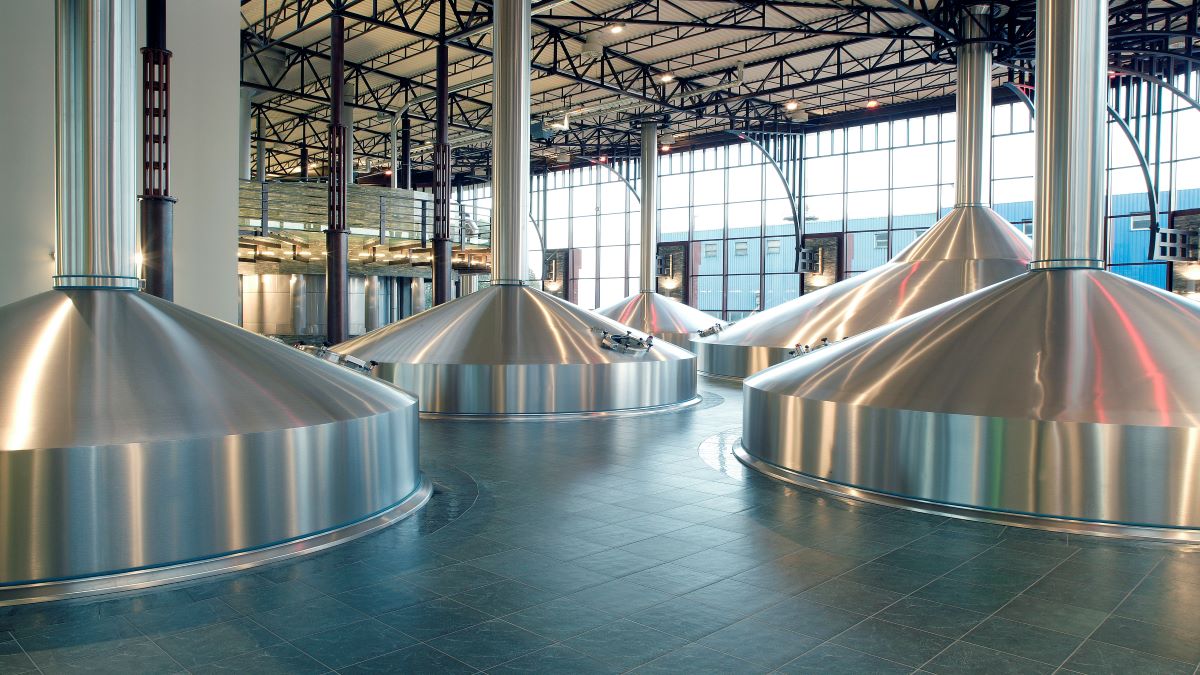
Brewhouse
GEA is a leading global specialist with a comprehensive understanding of your brewhouse. Talk to us about GEA solutions for successful breweries.
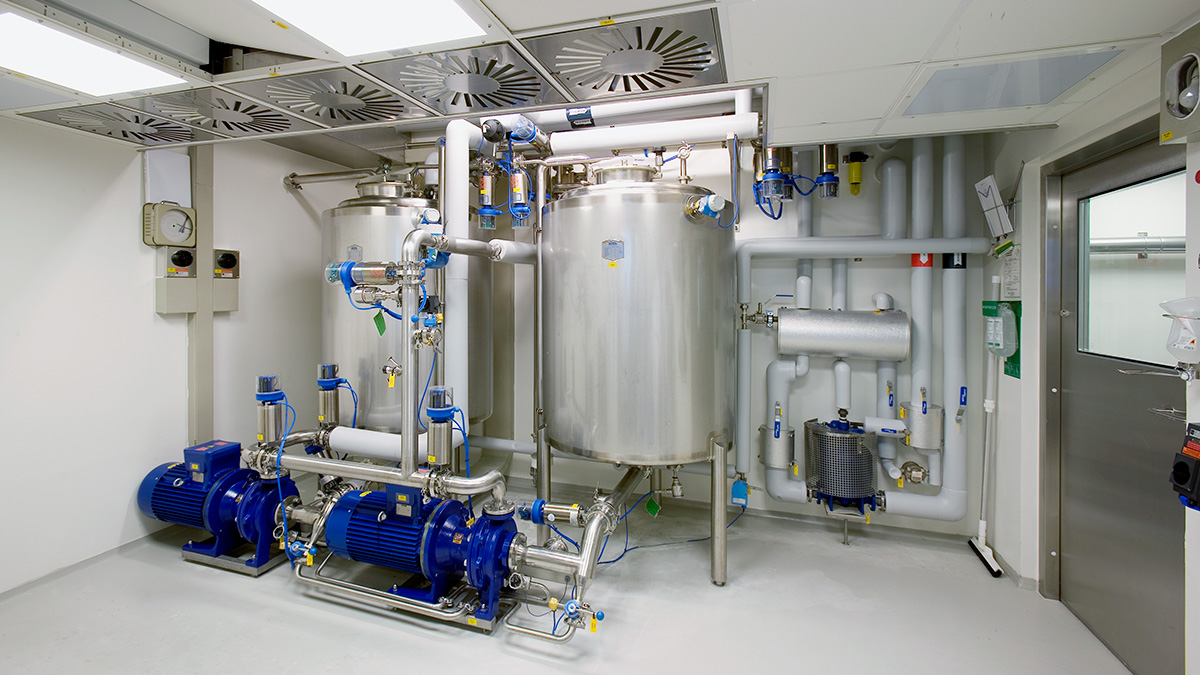
CIP/SIP Solutions
Innovative CIP concepts of GEA meet comprehensive high standards. Our experts guarantee product safety at every point of the process. Every upgrade is adapted to individual local conditions and customer requirements and leads to noticeable savings.
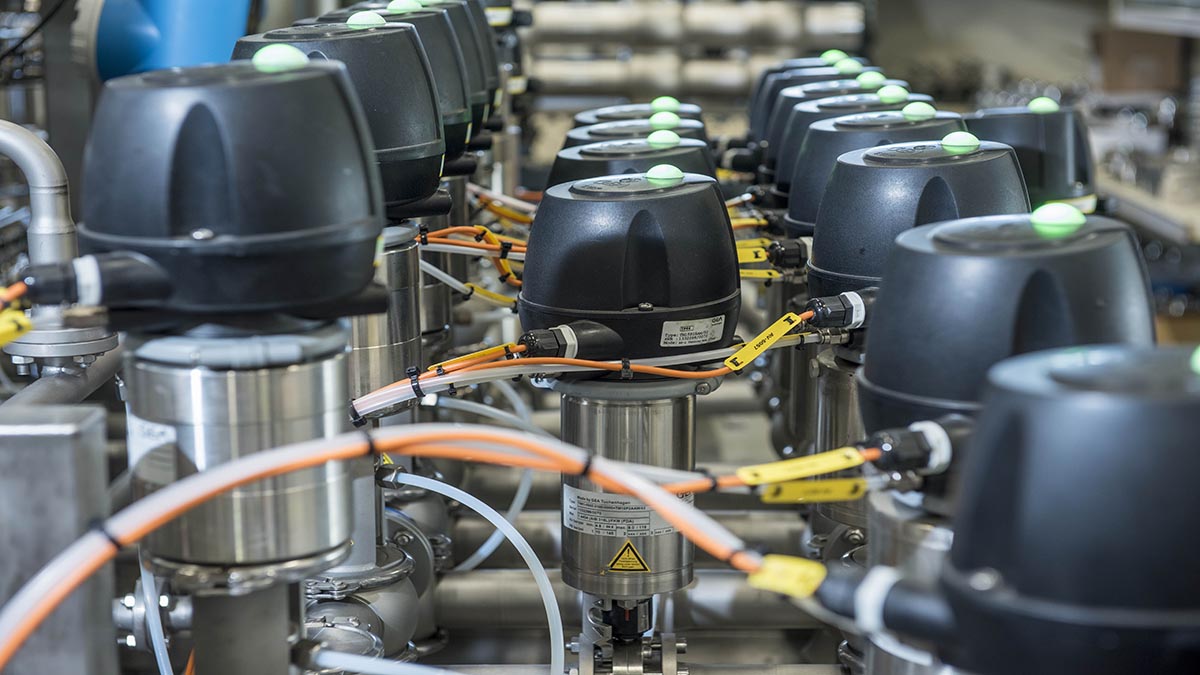
Cold Block Processing
GEA offers a complete portfolio of technologies for the cold process area in your brewery.
Other applications


Downloads
GEA Insights India
All pharmaceutical freeze-drying vials are the same! Aren't they?
Whether it’s a fad or the future, 100% vial traceability is becoming an increasingly important consideration in the pharmaceutical freeze drying industry. Keeping a close eye on developments is GEA. We’re investigating possible solutions and, what’s more, we have the experience, expertise and know-how to implement them.

Alcohol-free beer: They want it all – they want less
There was a time when the phrases ‘non-alcoholic beer’ and ‘tastes good’ were seldom used together in the same sentence, particularly by consumers. But low-proof and alcohol-free beers have come a long way – many of them now refreshing drinks in their own right – thanks in no small part to technology from GEA.

Innovating patient care with aseptic spray drying
At GEA, our commitment to engineering for a better world fuels our pursuit of innovative solutions that enhance patient care and safety. One of our most promising ventures in recent years is aseptic spray drying – a technology that promises to revolutionize pharmaceutical manufacturing.

